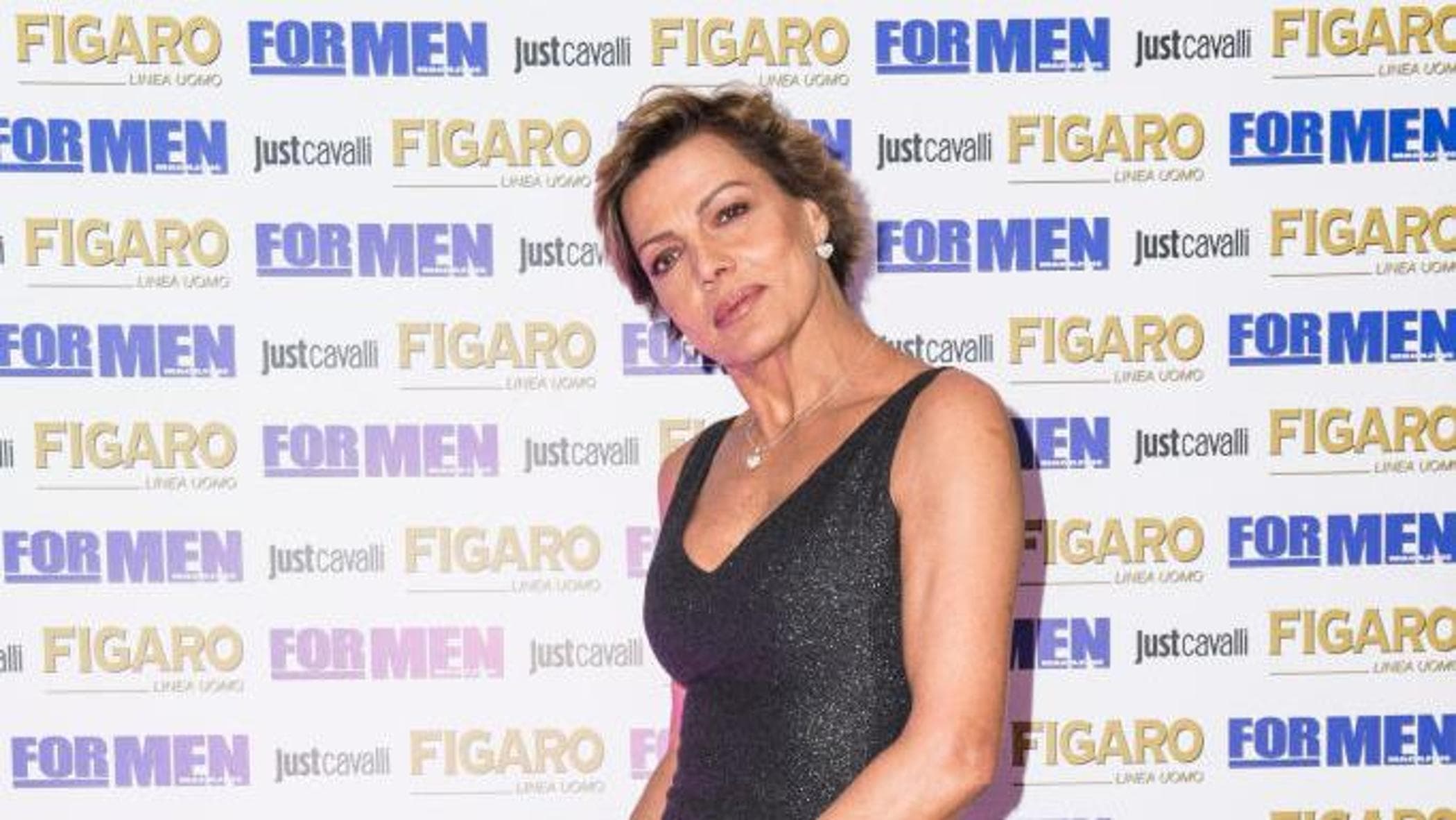
Patrizia Caselli, a prominent Italian television presenter and showgirl, has died in Milan at the age of 66. Known for her career in Italian broadcasting during the 1980s and 1990s, Caselli became a recognizable figure through her work in both variety entertainment and, later, in news-oriented programming. Her passing was confirmed by multiple reports from Italian media outlets, which noted that she had been suffering from a long-term illness.
The news of her death has prompted tributes from across the Italian entertainment industry. Throughout her career, Caselli transitioned from the world of light entertainment to more serious journalistic roles, notably bringing a focus on current affairs and true crime reporting to television audiences. Her professional life was often discussed alongside her high-profile personal relationships, including her long-term association with the actor Walter Chiari and her relationship with the late Italian Prime Minister Bettino Craxi.
A Career Defined by Television Evolution
Patrizia Caselli began her professional journey during a transformative era for Italian television. She gained early attention as a showgirl in variety programs, a common entry point for performers in the Italian media landscape of the late 20th century. However, she was frequently credited by peers for her ambition to move beyond the traditional roles assigned to showgirls at the time, eventually securing positions as a presenter.

Her work later expanded into the realm of news and editorial programming. In the Italian market, this shift was significant; she was recognized for helping to introduce elements of “cronaca nera”—or true crime reporting—into television formats that had previously been dominated by music and comedy. This transition allowed her to maintain a presence on screen for several decades, adapting to the changing demands of viewers and network executives alike.
Public Interest in Personal History
Beyond her work on camera, Caselli’s personal life was a frequent subject of public interest. Her relationship with the legendary Italian actor Walter Chiari was a defining aspect of her early career, often placing her at the center of the cultural discourse in Italy. Following that chapter, her relationship with Bettino Craxi, the leader of the Italian Socialist Party and former Prime Minister, drew significant media attention, particularly as the political landscape in Italy underwent major shifts in the 1990s.

Despite the scrutiny that often accompanies such public connections, Caselli maintained a career that spanned various networks and production styles. Observers of Italian media history often note that her ability to navigate the intersection of entertainment and politics was a testament to her adaptability. In her later years, she remained a respected figure among those who worked with her during the peak of the “golden age” of private television in Italy.
Addressing Her Health
In recent years, reports regarding Caselli’s health had become a topic of discussion among those following her life. According to reports from the Italian press, she had been battling a serious, long-term illness. The news of her death at 66 has been met with sympathy from fans and colleagues who remember her as a professional who navigated the complexities of the Italian spotlight with resilience.
While the specifics of her medical journey were largely kept private during her lifetime, the acknowledgment of her passing has served as a moment for the public to reflect on her contributions to television history. She is remembered by contemporaries not only for her on-screen presence but for the courage she demonstrated in choosing her own professional path within a competitive and often rigid industry.
A Lasting Impression
The death of Patrizia Caselli marks the end of a specific era in Italian broadcasting. As the television industry in Europe continues to evolve, figures like Caselli remain important for understanding how the role of the presenter has shifted from the variety-show archetype to the more versatile, news-driven hosts of the modern era. Her career trajectory—from the stages of variety shows to the desks of news programs—reflects the broader evolution of European media during the late 20th century.
Industry colleagues have expressed their condolences, highlighting her work ethic and her impact on the programs she helped define. As the Italian entertainment community processes this loss, her legacy remains tied to the history of the programs she hosted and the influence she exerted during a formative period for Italian television.
Public services and memorial arrangements are expected to be held in Milan, as per standard local practices for public figures. Updates regarding official commemorations will be provided by family representatives as they are made available. We invite readers to share their memories of her career and impact in the comments section below.