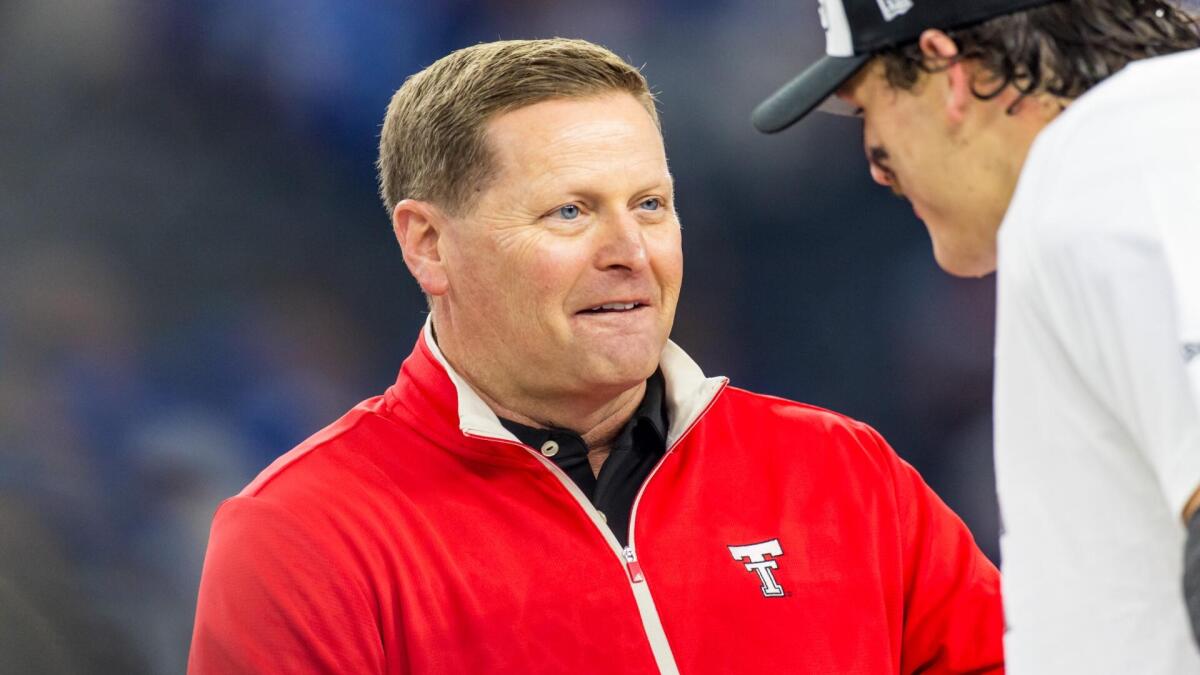
Texas Tech athletic director Kirby Hocutt has publicly defended the university’s recent handling of quarterback Brendan Sorsby, signaling that the institution is prepared to engage in a high-stakes legal confrontation as it navigates complex roster management ahead of the 2026 season. As the landscape of collegiate athletics remains in flux due to evolving transfer portal regulations and name, image, and likeness (NIL) policies, the Red Raiders’ leadership has maintained a firm stance, rejecting calls to alter their current administrative trajectory.
The situation centers on the growing tension between institutional autonomy and the rights of student-athletes in the modern era of the NCAA. According to official statements from the university, the athletic department is prioritizing long-term stability for its football program, even as external pressures mount regarding player movement. Hocutt’s defense of the school’s actions comes at a time when Texas Tech is attempting to solidify its competitive standing within the Big 12 Conference, as noted by the Texas Tech Athletics official portal.
The Stance of the Texas Tech Athletic Department
Kirby Hocutt, who has overseen Texas Tech’s athletic programs since 2011, emphasized that the university’s decisions regarding student-athlete contracts and roster spots are made with the intent of protecting the program’s competitive integrity. While specific details of the dispute involving Brendan Sorsby remain constrained by legal confidentiality, Hocutt indicated that the school has followed all established conference and national guidelines. The athletic director’s comments suggest that Texas Tech is not merely reacting to individual player circumstances, but is instead preparing for broader legal challenges that could redefine how schools manage roster turnover.
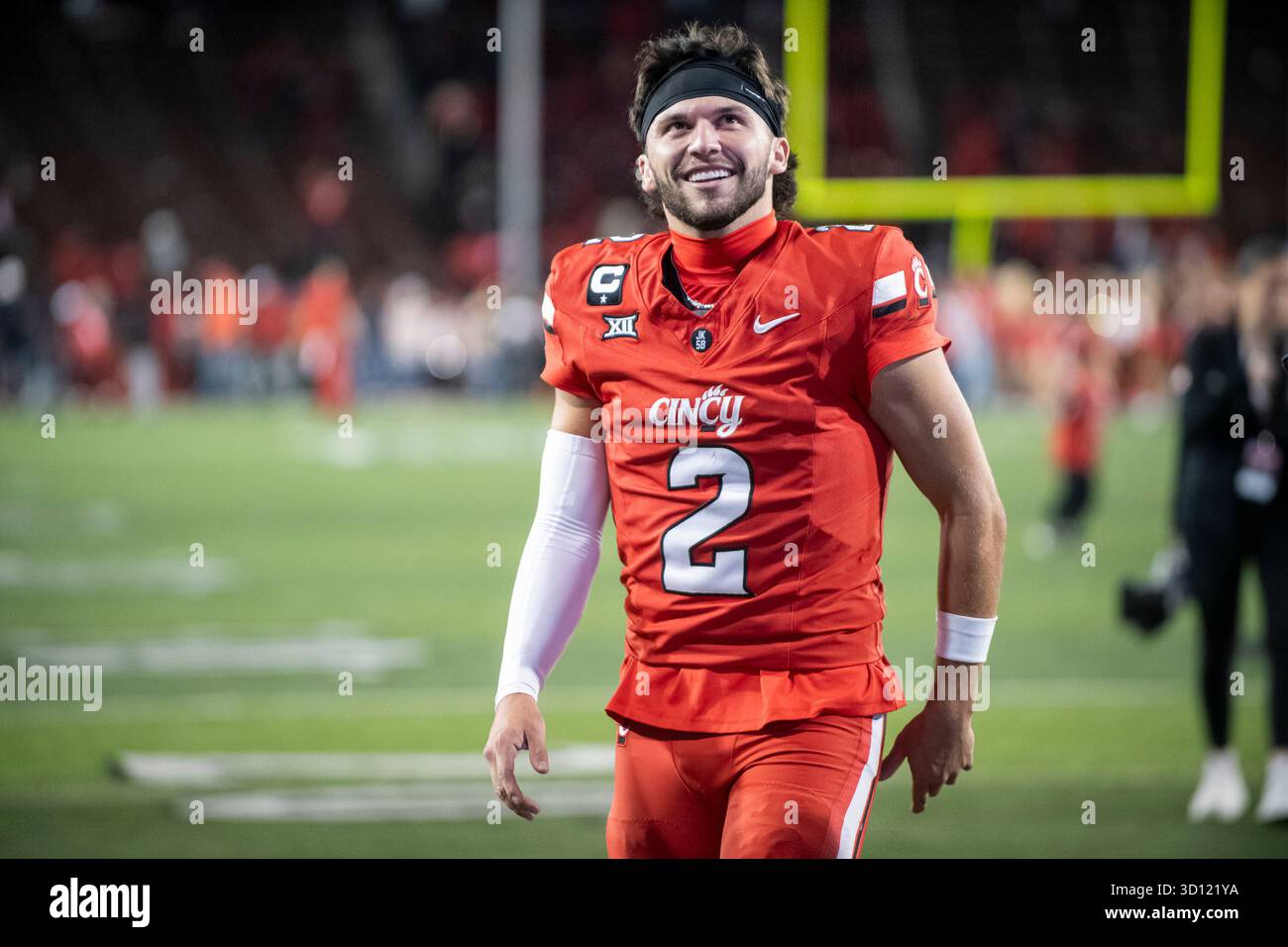
This approach aligns with the university’s broader strategy of maintaining strict institutional control during a period of unprecedented athlete mobility. By holding firm, Texas Tech is effectively betting that its adherence to existing contractual frameworks will withstand judicial scrutiny should the matter proceed to a formal courtroom setting. Such a strategy is increasingly common among major athletic programs as they seek to mitigate the financial and competitive risks associated with sudden roster departures.
Understanding the Legal Landscape of Collegiate Athletics
The potential for a high-stakes legal showdown reflects the current volatility in U.S. collegiate sports law. Recent rulings, including the Supreme Court’s decision in Alston v. NCAA, have significantly altered the regulatory environment, limiting the NCAA’s ability to restrict certain forms of athlete compensation. These changes have created a vacuum where individual universities must now frequently negotiate—or litigate—the boundaries of their authority.
For Texas Tech, the primary challenge involves balancing federal antitrust compliance with the internal rules of the Big 12. As noted by legal analysts, the intersection of contract law and student-athlete representation has become the most contentious area of college sports. The university’s willingness to defend its actions suggests that it has conducted extensive internal reviews of its current policies, ensuring that its treatment of players like Sorsby aligns with internal counsel’s interpretation of current law.
What Lies Ahead for the Red Raiders
As the 2026 season approaches, the focus for Texas Tech remains on building a cohesive roster while managing the legal risks associated with player retention. The university has not indicated any intent to settle or pivot from its current strategy. Observers note that this case could serve as a precedent for how other institutions in the Big 12 and beyond handle similar disputes, particularly as NIL-related litigation becomes more frequent across the country.

The next confirmed checkpoint in this unfolding situation will be the formal filing of any potential litigation or the announcement of a mediated resolution between the parties. Until such time, the university is expected to maintain its present course. Fans and stakeholders are encouraged to monitor the Big 12 Conference official newsroom for any updates regarding regulatory changes or institutional filings that may impact the Red Raiders’ roster for the coming years.
What are your thoughts on how universities should balance athlete rights with program stability? Share your perspective in the comments section below and join the ongoing discussion on the future of collegiate sports.
Related reading