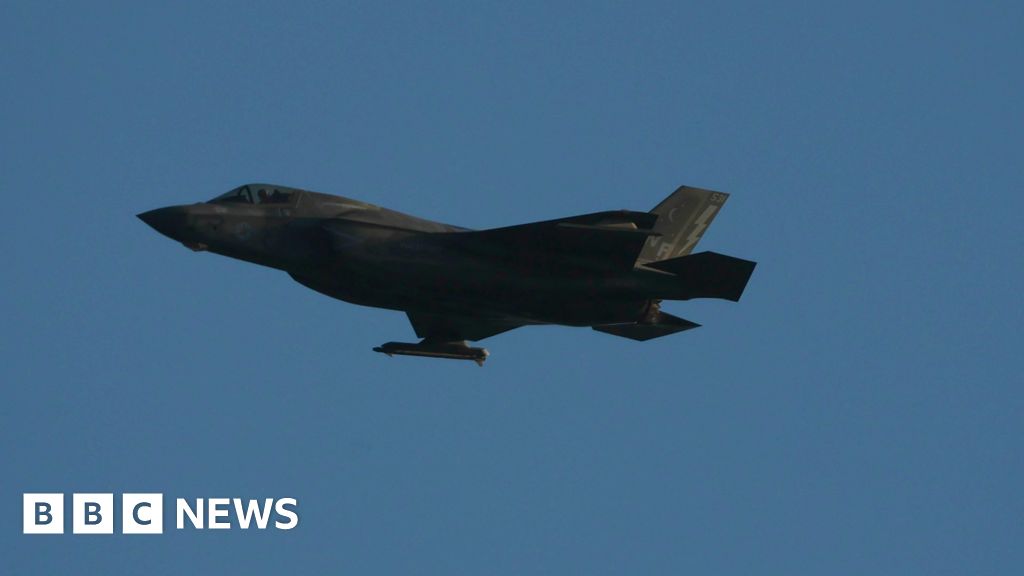
Iranian officials have claimed responsibility for targeting vessels in the Strait of Hormuz following a series of recent airstrikes conducted by United States forces. The exchange represents a significant escalation in maritime tensions, as the U.S. Central Command (CENTCOM) maintains that its military actions were a necessary response to “unwarranted and continued aggression” against international shipping lanes in the region, according to an official CENTCOM statement.
The Strait of Hormuz remains one of the world’s most critical maritime chokepoints, through which a substantial percentage of global oil production passes daily. Analysts from the International Energy Agency have long noted that any disruption in this waterway can trigger immediate volatility in global energy markets. As of this week, the naval posturing between Tehran and Washington continues to draw close monitoring from international maritime authorities, including the International Maritime Organization, which tracks security incidents affecting commercial transit.
Military Rationale and Strategic Context
The U.S. military’s recent strikes follow a persistent pattern of regional friction involving the Islamic Revolutionary Guard Corps (IRGC) and commercial shipping interests. CENTCOM officials stated that the airstrikes were calibrated to degrade the capabilities used by Iranian-aligned forces to harass or seize merchant vessels. This follows a string of incidents documented by the Maritime Executive, which has tracked multiple reports of boardings and harassment in the Persian Gulf over the last eighteen months.
Tehran’s stated intent to strike back at vessels in the area marks a shift in rhetoric, moving from indirect proxy actions to direct declarations of retaliation. According to reporting from the Reuters news agency, Iranian officials described their actions as defensive measures taken in response to what they characterize as illegal Western interference in their territorial waters. This framing stands in direct opposition to the position held by the U.S. and its regional allies, who argue that the freedom of navigation is protected under international law, specifically the United Nations Convention on the Law of the Sea.
Economic Implications for Global Markets
The immediate consequence of these heightened tensions is the pressure placed on global oil prices and insurance premiums for shipping companies. Financial experts at the World Bank have emphasized that maritime instability often leads to increased “war risk” surcharges, which are eventually passed on to consumers in the form of higher fuel costs. The uncertainty surrounding the Strait of Hormuz often forces commercial fleets to consider longer, more expensive routes, further impacting supply chain efficiency.
While energy markets have historically shown resilience to localized skirmishes, the persistent nature of these strikes has forced major shipping conglomerates to adjust their operational protocols. Data from the United Nations Conference on Trade and Development indicates that sustained disruption in such a key corridor could significantly inflate shipping costs for commodities, including grain and refined petroleum products, if the situation fails to de-escalate.
Monitoring Future Developments
The international community is currently awaiting further guidance from the United Nations Security Council, which has historically convened to discuss the protection of international shipping lanes when regional conflict threatens global commerce. There have been no reports of a specific, upcoming emergency session as of this writing, but observers from the Council on Foreign Relations suggest that diplomatic back-channels remain the primary mechanism for preventing a full-scale naval confrontation.
For maritime operators, the current advice from the United Kingdom Maritime Trade Operations (UKMTO) remains unchanged: vessels are urged to exercise extreme caution when transiting the Strait of Hormuz and to report any suspicious activity or communications immediately. As the situation evolves, official updates regarding safety corridors and naval activity will be published through CENTCOM’s official communications portal. Readers are encouraged to share their perspectives on the economic impact of these regional tensions in the comments section below.