
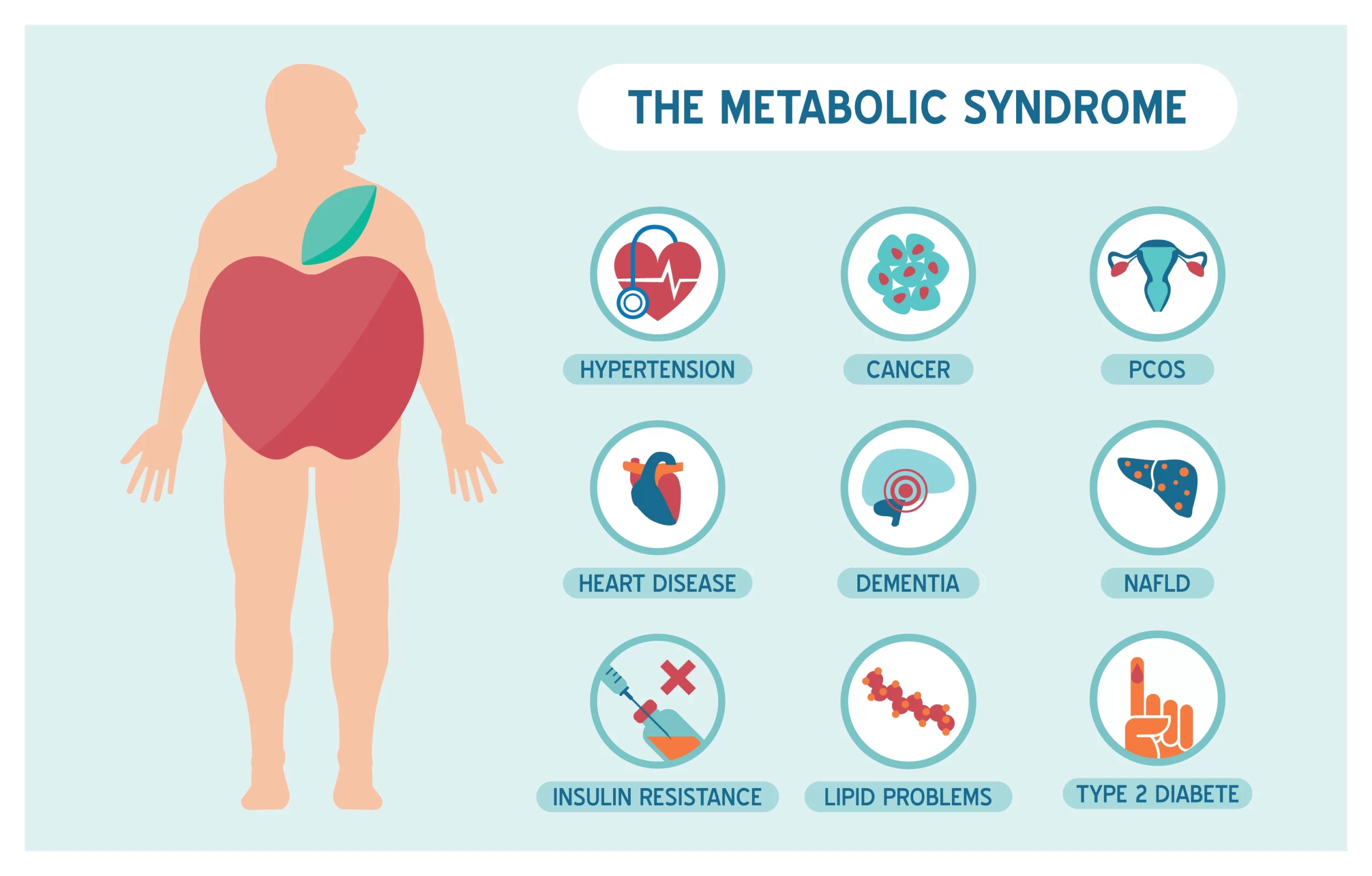
Metabolic syndrome represents a cluster of interconnected physiological conditions that significantly elevate the risk of developing cardiovascular disease, type 2 diabetes, and stroke. According to the World Health Organization, these non-communicable diseases remain the leading causes of mortality globally, often stemming from the chronic health imbalances characterized by this syndrome. Identifying these markers early is essential for clinical intervention and long-term health management.
As a physician based in Berlin, I frequently observe that metabolic syndrome is not a single disease but a dangerous combination of factors that often go unnoticed until a major health event occurs. The condition is defined by the presence of at least three of five specific medical criteria: elevated blood pressure, high blood sugar, excess abdominal fat, and abnormal cholesterol or triglyceride levels. When these markers converge, they create a systemic environment that accelerates arterial damage and metabolic dysfunction.
Diagnostic Criteria and Clinical Significance
The clinical diagnosis of metabolic syndrome relies on standardized parameters established by major health organizations. According to the National Heart, Lung, and Blood Institute (NHLBI), a patient is typically diagnosed if they meet three or more of the following thresholds:

- Abdominal Obesity: A waist circumference of 40 inches or more for men, or 35 inches or more for women.
- Elevated Triglycerides: Levels of 150 mg/dL or higher.
- Reduced HDL Cholesterol: Less than 40 mg/dL in men or 50 mg/dL in women.
- High Blood Pressure: Readings of 130/85 mmHg or higher, or the use of medication for hypertension.
- Elevated Fasting Glucose: Levels of 100 mg/dL or higher, or the use of diabetes medication.
These metrics serve as a “red flag” system for clinicians. Individually, each factor requires attention; combined, they indicate a profound shift in how the body processes energy and regulates inflammation. The Centers for Disease Control and Prevention (CDC) notes that the prevalence of this syndrome has risen in tandem with global trends in sedentary behavior and changes in dietary patterns, affecting approximately one-third of adults in many industrialized nations.
The Pathophysiology of Systemic Risk
At the core of metabolic syndrome is insulin resistance. When cells stop responding effectively to insulin, the pancreas compensates by producing more, eventually leading to hyperglycemia. This state of hyperinsulinemia promotes fat storage, particularly in the visceral area—the deep fat surrounding internal organs. Unlike subcutaneous fat, visceral adipose tissue is metabolically active and releases inflammatory cytokines into the bloodstream.

This chronic, low-grade inflammation is what makes metabolic syndrome so dangerous. It damages the endothelium, the inner lining of blood vessels, which serves as the primary gateway to atherosclerosis. According to research published by the American Heart Association, this process increases the likelihood of plaque buildup in the arteries, directly linking metabolic dysfunction to myocardial infarction and cerebrovascular accidents.
Addressing the Drivers of Metabolic Dysfunction
Management of metabolic syndrome focuses on lifestyle modification as the first line of defense. Clinical guidelines consistently emphasize a two-pronged approach: nutritional intervention and structured physical activity. The goal is to reduce insulin resistance and lower blood pressure through sustainable weight management.
Medical professionals often recommend the “Mediterranean-style” diet, which prioritizes plant-based foods, healthy fats such as olive oil, and lean proteins, while minimizing processed sugars and refined carbohydrates. According to the Mayo Clinic, even a modest weight loss of 5% to 10% of total body weight can lead to significant improvements in blood pressure and glucose sensitivity. Furthermore, the European Society of Cardiology recommends at least 150 minutes of moderate-intensity aerobic exercise per week to help the body manage glucose more efficiently.
Future Directions in Public Health
While lifestyle changes remain the cornerstone of treatment, pharmacotherapy is often necessary when lifestyle modifications alone fail to bring biomarkers into target ranges. Doctors may prescribe medications to treat specific components of the syndrome, such as statins for lipid management, metformin for glucose control, or antihypertensives to protect vascular health. The decision to initiate medication is based on individual risk assessment, taking into account family history, age, and existing comorbidities.
Ongoing research continues to explore the role of the gut microbiome and genetics in the development of metabolic syndrome. As our understanding of these factors grows, personalized medicine may offer more precise interventions. For now, the most effective strategy remains proactive screening. Patients are encouraged to consult with their primary care providers to monitor these five key markers during annual check-ups. Maintaining awareness of these numbers is the most effective way to prevent the progression of what is often called a “silent” collection of fatal diseases.
For official updates on metabolic health and cardiovascular screening guidelines, patients should refer to their national health ministry or reputable medical associations. If you have concerns about your metabolic profile, schedule an appointment with your physician to discuss a screening plan tailored to your specific health history.