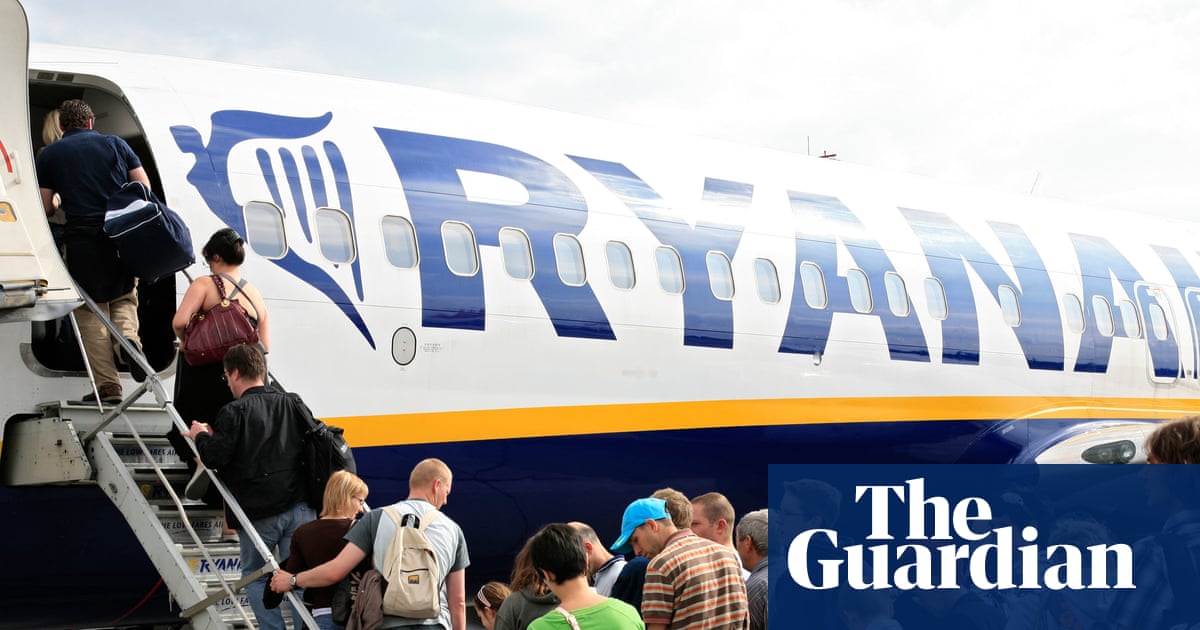
The UK’s Competition and Markets Authority (CMA) has launched an investigation into Ryanair regarding mandatory fees charged to parents for sitting alongside their children. The regulator is examining whether the airline’s requirement—which typically costs passengers approximately £8 per flight—constitutes an unfair contract term under consumer protection laws. This inquiry follows concerns that the carrier’s policy effectively forces parents to pay extra to meet safety and supervision requirements for minors, including those with disabilities.
As the Chief Editor of the Business section at World Today Journal, I have tracked similar developments in aviation policy for nearly two decades. This case highlights a recurring tension between the operational models of low-cost carriers and the regulatory frameworks designed to protect consumer interests. The core of the issue rests on whether “mandatory” seating arrangements, when presented as a condition of carriage, violate the principle of transparent and fair pricing in the UK aviation sector.
Regulatory Scrutiny of Airline Seating Policies
The CMA, which serves as the primary competition regulator in the United Kingdom, holds the authority to investigate companies if it suspects they are using “unfair” contract terms. According to the Competition and Markets Authority, terms are generally considered unfair if they cause a significant imbalance in the parties’ rights and obligations to the detriment of the consumer. In this instance, the investigation focuses on whether the fee is truly optional or if the airline’s own internal policies create a situation where payment is unavoidable for parents.
Ryanair’s current policy mandates that children under the age of 12 must sit with an accompanying adult. Critics and consumer advocates have argued that if an airline requires this pairing for safety compliance, the cost should be factored into the base fare rather than presented as an additional, unavoidable surcharge. The Consumer Rights Act 2015 provides the legal bedrock for the CMA’s review, specifically regarding terms that may be deemed unfair or misleading to passengers.
The Impact on Family Travel and Budget Carriers
The “unbundled” pricing model used by major European budget airlines is designed to keep base fares low by charging separately for extras like luggage, priority boarding, and seat selection. While this model has democratized air travel, it has also led to increased friction with regulators over “drip pricing,” where the final cost of a ticket is significantly higher than the advertised rate due to mandatory add-ons. For a family of four, an £8 charge per seat can quickly add up, altering the perceived value of a low-cost ticket.
The investigation is particularly sensitive regarding passengers with disabilities or those requiring specific assistance. If a parent is required to pay to ensure their child is seated next to them for accessibility or safety reasons, the CMA must determine if this practice discriminates against families or creates a barrier to travel. The airline has maintained that its seating policies comply with safety regulations, but the regulator is now assessing whether the commercial implementation of these policies aligns with consumer protection standards.
How the Investigation Proceeds
The inquiry is currently in the information-gathering phase. The CMA typically requires the subject of an investigation to provide internal documents, policy explanations, and justifications for their pricing structures. If the regulator finds that the terms are indeed unfair, it has the power to demand that the company amend its contract terms or offer refunds to affected passengers. In some cases, the regulator may initiate formal enforcement action if a voluntary resolution cannot be reached.

Passengers who feel they have been unfairly treated by airline seating policies are encouraged to check the Civil Aviation Authority (CAA) website for guidance on their rights. While the CAA handles specific complaints regarding flight delays and cancellations, the CMA’s broader mandate covers the fairness of the contracts themselves. There is no set deadline for when the CMA will release its findings, as such investigations often involve extensive legal review and consultation with the airline involved.
This situation serves as a reminder for travelers to carefully review the “Terms and Conditions” section during the booking process, as these documents contain the legal stipulations that define the airline-passenger relationship. We will continue to monitor the CMA’s official portal for updates on this case. Readers are invited to share their experiences with airline seating fees in the comments section below.
Keep reading