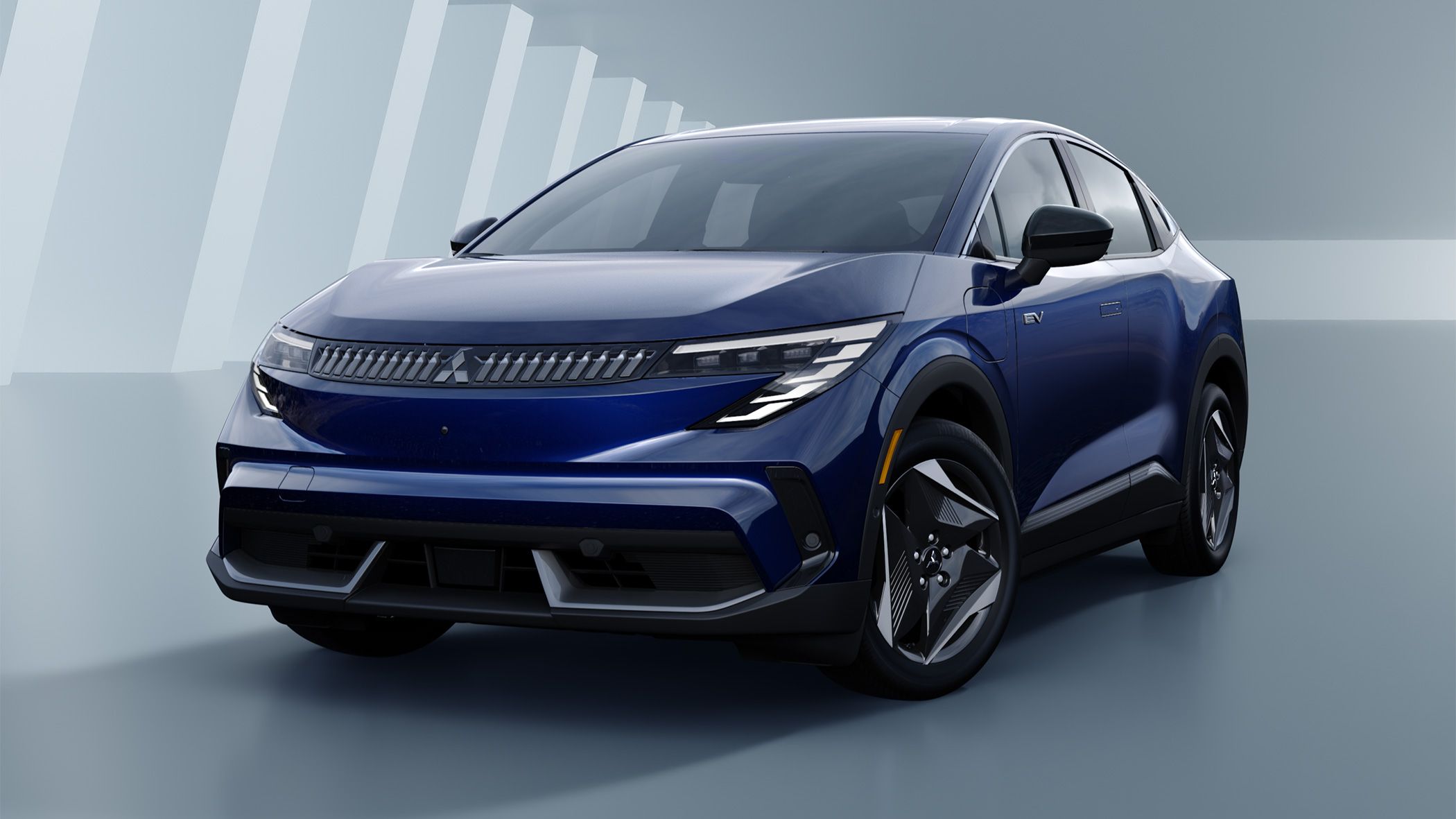
Mitsubishi has officially announced the expansion of its electrified vehicle lineup with the introduction of the 2027 Eclipse Sportback EV, a move that marks the transition of the storied Eclipse nameplate into a purely electric crossover segment. The manufacturer confirmed the vehicle is designed to serve as a flagship for its global battery-electric strategy, distancing itself from the internal combustion heritage of the original sports coupe and the subsequent Eclipse Cross compact SUV.
The decision to leverage the Eclipse branding for an electric crossover follows a broader industry trend of repurposing legacy performance names for modern, high-demand vehicle categories. According to official company statements on their long-term electrification roadmap, the 2027 model is intended to address shifting consumer preferences toward zero-emission utility vehicles while maintaining a design language that references the brand’s performance history. Mitsubishi representatives have noted that the Sportback silhouette is a deliberate nod to the aerodynamic profiles that defined the Eclipse’s aesthetic during the 1990s.
Engineering the 2027 Eclipse Sportback EV
At the core of the new Eclipse Sportback EV is a dedicated modular platform designed specifically for electric propulsion. Unlike previous iterations that utilized shared architectures with internal combustion engines, this model benefits from a low center of gravity and increased cabin space, which are standard advantages of a battery-electric vehicle (BEV) layout. Mitsubishi’s mid-term business plan highlights that this shift is essential for meeting tightening global emissions standards and improving energy efficiency across their fleet.

While the company has not yet released final performance specifications, industry analysts expect the powertrain to feature an all-wheel-drive configuration consistent with Mitsubishi’s Super All-Wheel Control (S-AWC) technology. This system, which has been a staple in their rally-bred vehicles, is being adapted to manage the instantaneous torque delivery inherent in electric motors. The integration of this technology is expected to distinguish the Eclipse Sportback from competitors in the increasingly crowded electric crossover market.
Design Influences and Brand Strategy
The visual identity of the 2027 Eclipse Sportback EV draws heavily from the brand’s current design language while attempting to modernize the “Eclipse” aesthetic. The exterior features a sloping roofline that terminates in a pronounced rear spoiler, a design element that the company claims is a direct homage to the sports coupes of the past. By blending these nostalgic cues with a modern, minimalist front fascia, Mitsubishi is attempting to bridge the gap between long-time brand loyalists and new, younger buyers seeking sustainable transportation.
The strategic use of the Eclipse name is not merely a marketing decision but a signal of the company’s intent to prioritize its most recognizable assets as it transitions away from traditional fossil-fuel engines. According to press releases regarding the company’s Challenge 2025 strategy, the brand is investing heavily in R&D to ensure that its electric offerings retain the adventurous, rugged character associated with the Mitsubishi badge. The move is also a response to the success of competitors who have successfully rebranded historic nameplates into the EV space.
What Consumers Can Expect
For prospective buyers, the 2027 Eclipse Sportback EV represents a significant departure from the previous generation of Mitsubishi vehicles. The transition to a pure EV platform implies a higher reliance on digital interfaces, advanced driver-assistance systems (ADAS), and over-the-air (OTA) software updates. These features are becoming standard expectations in the premium and mid-range electric segments, and the company has signaled that it will focus on software-defined vehicle architecture to keep the model competitive throughout its lifecycle.

The retail release is slated for the 2027 model year, though specific pricing and regional availability have not been finalized. Interested parties are encouraged to monitor the official Mitsubishi Motors global news portal for updates regarding regional launch dates and pre-order windows. As the automotive industry continues to pivot toward electrification, this model will serve as a critical benchmark for the company’s ability to modernize its brand while navigating a transition that has challenged many legacy automakers.
Looking ahead, the next significant milestone for the project will be the release of the final production-ready specifications and the announcement of manufacturing facilities designated for the global roll-out. Please share your thoughts on the evolution of the Eclipse nameplate in the comments below.
Keep reading