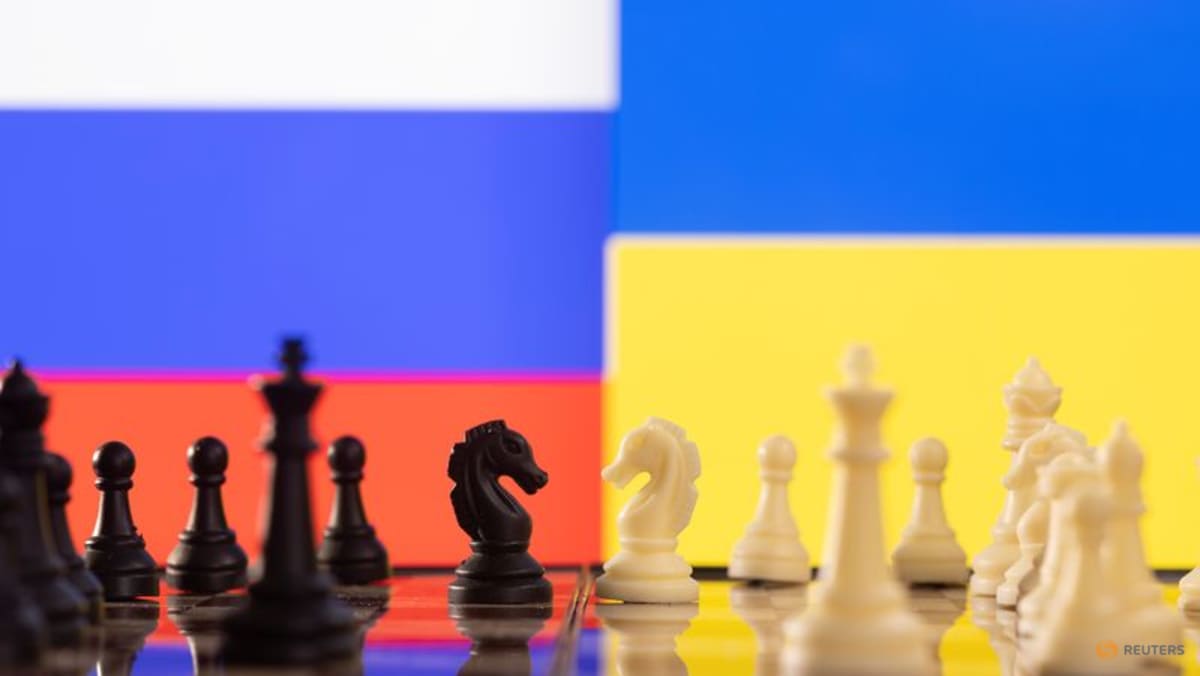
The International Chess Federation (FIDE) has suspended the Russian Chess Federation (RCF) from its membership, citing the organization’s activities in Russian-controlled regions of Ukraine. The decision, announced by the FIDE Ethics and Disciplinary Commission, marks a significant escalation in the sporting sanctions imposed on Russian institutions following the 2022 invasion of Ukraine. The suspension prohibits the RCF from organizing or hosting any official FIDE-rated events within the affected territories.
According to the official ruling published by FIDE, the Ethics and Disciplinary Commission found that the inclusion of regional chess federations from the Ukrainian territories of Donetsk, Luhansk, Kherson, and Zaporizhzhia into the Russian Chess Federation constituted a breach of FIDE’s statutes. The commission determined that these actions violated the organization’s charter regarding the sovereign integrity of member federations. The suspension remains in effect until further notice, though the RCF retains the right to appeal the decision before the Court of Arbitration for Sport.
The Basis for the FIDE Ethics Ruling
The core of the dispute centers on the administrative annexation of chess clubs in occupied Ukrainian regions. In its public statement, the FIDE Ethics and Disciplinary Commission noted that the Russian Chess Federation acted beyond its jurisdictional boundaries by incorporating clubs that are legally part of the Ukrainian Chess Federation. This move was viewed by FIDE leadership as a direct challenge to the territorial integrity of a fellow national member federation.

This decision follows a period of heightened tension within the global governing body. Since February 2022, FIDE has navigated complex pressures regarding the participation of Russian and Belarusian athletes. While individual players have been allowed to compete under the FIDE flag—rather than their national colors—the suspension of the Russian Chess Federation as an institution reflects a stricter stance toward state-backed administrative actions in disputed territories. Detailed documentation regarding the specific statutes cited in the ruling can be reviewed via the FIDE Handbook, which outlines the ethical conduct expected of all national federations.
Impact on Russian Players and Tournaments
The immediate consequence for the Russian Chess Federation is a loss of funding and institutional support for events held within its borders. While the suspension prevents the RCF from official FIDE recognition of tournaments held in the specified territories, it does not explicitly ban individual Russian players from participating in international competitions. These athletes continue to compete under the FIDE banner, a policy that has remained consistent since the early stages of the conflict.
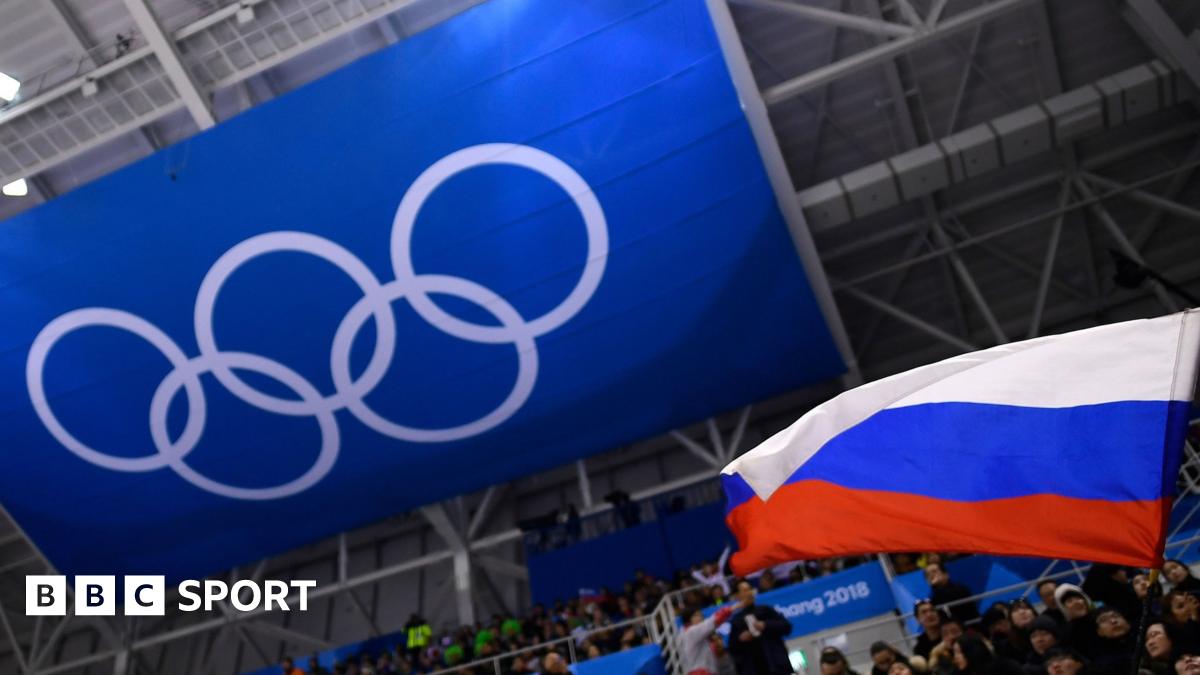
However, the loss of official FIDE status for domestic tournaments complicates the pathways for Russian players to earn rating points and qualify for international grandmaster titles. As reported by Reuters, the decision forces a divide between the domestic Russian circuit and the international professional landscape. The RCF has characterized the move as politically motivated, arguing that the federation’s role is to support the development of chess regardless of the geopolitical status of the regions involved.
Precedent and Institutional Sanctions
This suspension is not the first time FIDE has faced internal friction regarding geopolitical conflicts. The organization has historically attempted to maintain a neutral stance, often summarized by its motto, “Gens Una Sumus” (We are one people). However, the scale of the Russian invasion has necessitated an evolution in how the federation applies its ethics code to national bodies.
.svg/220px-Subdivisions_of_the_Russian_Empire_by_largest_ethnolinguistic_group_(1897).svg.png "Precedent and Institutional Sanctions")
By suspending the RCF, FIDE aligns itself with a broader trend among international sporting bodies—such as the International Olympic Committee (IOC) and various football associations—that have restricted the influence of Russian state organizations. The International Olympic Committee has maintained strict conditions for the participation of “Individual Neutral Athletes,” a framework that FIDE has largely mirrored to ensure that the sport remains accessible to individual professionals while penalizing institutional overreach.
What Happens Next
The Russian Chess Federation has indicated that it intends to challenge the ruling. Under FIDE procedures, the RCF has 21 days from the date of the decision to file an appeal with the Court of Arbitration for Sport (CAS). Should an appeal be lodged, the suspension may be stayed pending a final judgment from the court.
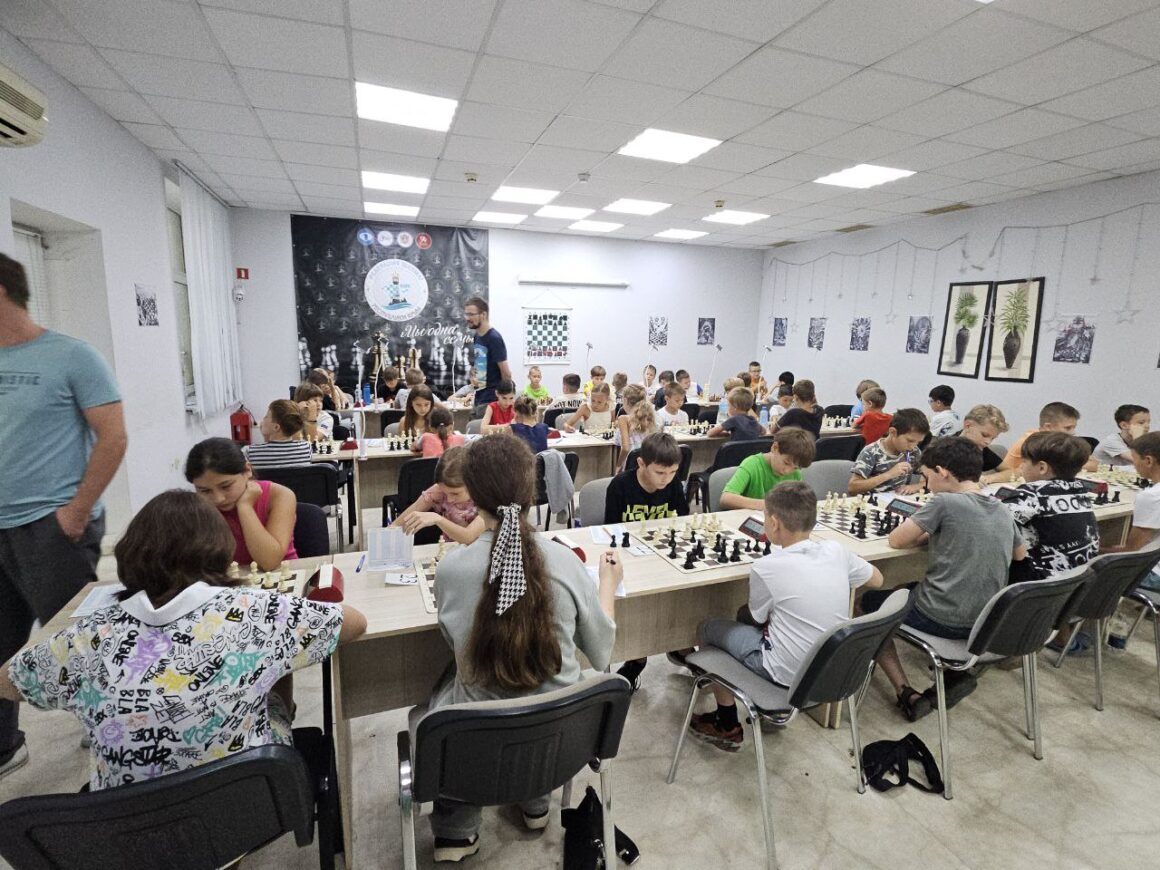
For the global chess community, the situation remains fluid. FIDE has not provided a timeline for when the suspension might be reviewed or lifted, stating only that the conditions for reinstatement are tied to the cessation of the activities that prompted the ruling. Readers interested in following the legal developments of this case can monitor the Court of Arbitration for Sport for upcoming filings. We will continue to update this report as official statements are released by either party.
Have thoughts on the intersection of sport and international policy? Share your perspective in the comments section below.
Worth a look