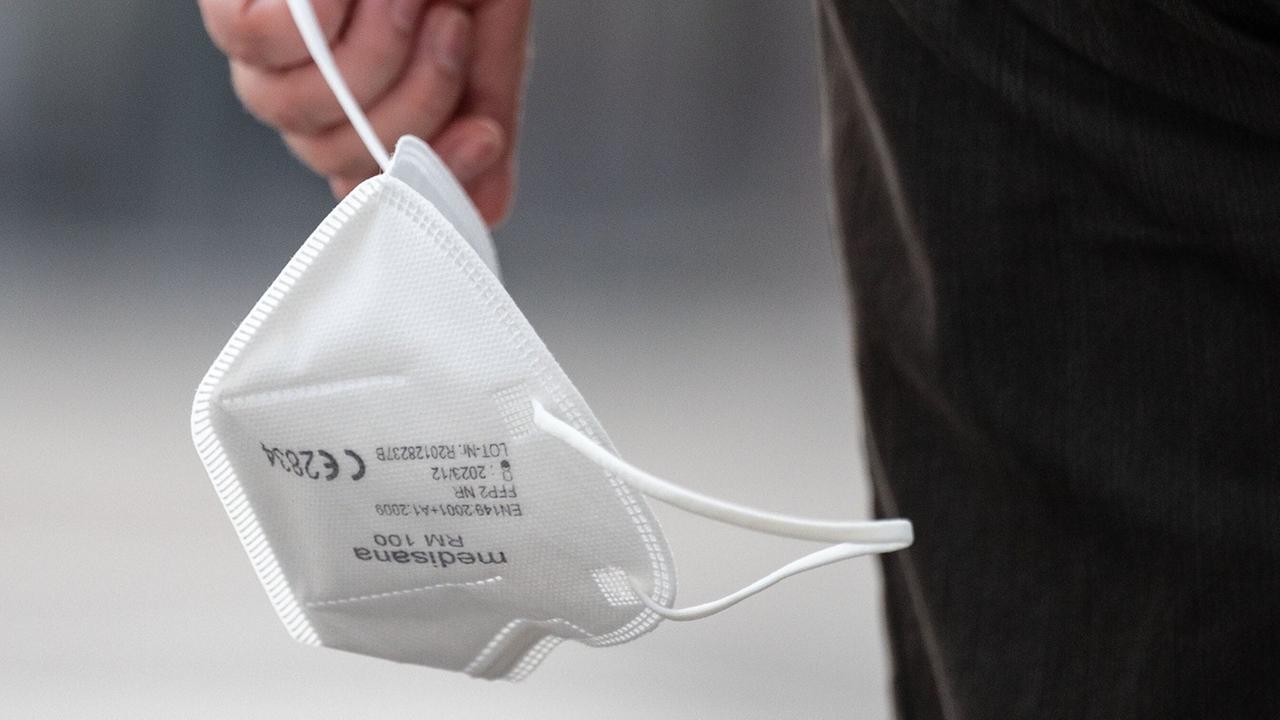
Millions of protective face masks procured by the state of Baden-Württemberg during the COVID-19 pandemic are slated for incineration after reaching their expiration dates. State authorities in Germany have confirmed that these massive stockpiles, which were held in central storage facilities in Ulm, can no longer be distributed for medical use, necessitating their disposal through thermal treatment.
The disposal of these medical supplies marks the final chapter in a procurement effort that defined the early stages of the global health crisis. According to the Baden-Württemberg Ministry of Social Affairs, the decision to incinerate the masks follows rigorous quality control assessments that determined the materials no longer meet the safety standards required for clinical or public health environments. The state government noted that approximately 100 million masks were originally managed as part of the regional strategic reserve.
The Logistics of Managing Expired Medical Reserves
The transition from a strategic emergency reserve to waste management involves significant logistical coordination. The state of Baden-Württemberg maintained these supplies in Ulm to ensure a rapid response capability during the peak of the pandemic, when supply chains for personal protective equipment (PPE) were severely constrained. As the threat level subsided and inventory exceeded the projected public health requirements, the expiration dates on the FFP2 and surgical masks became the primary driver for disposal.
Officials from the state health department have indicated that the masks are being transported to specialized waste-to-energy facilities. By burning the materials, the state is able to reclaim some value through the generation of electricity and heat, a common practice for industrial-scale disposal of non-recyclable medical textiles. The Federal Statistical Office of Germany has previously tracked the massive influx of medical goods during the 2020-2022 period, reflecting the unprecedented demand that led to the creation of these large-scale state stockpiles.
Financial Impact and Procurement Context
The financial scale of the pandemic-era procurement remains a subject of ongoing scrutiny within German healthcare policy. While the initial investment was intended to safeguard public health, the depreciation of these assets highlights the economic volatility associated with emergency medical stockpiling. The Court of Audit of Baden-Württemberg has consistently reviewed state expenditures, emphasizing the need for transparency in how public funds were allocated for rapid-response medical infrastructure.
The cost of the masks, while significant at the time of purchase, is now being balanced against the costs of storage and final disposal. Experts in medical logistics often point to the “just-in-time” versus “just-in-case” dilemma: maintaining massive inventories provides security against shortages but carries the inherent risk of material expiration. For Baden-Württemberg, the shift toward leaner, more sustainable supply chain management is now a priority for the state health ministry.
Public Health Lessons for the Future
The disposal of these masks does not imply a total abandonment of emergency preparedness. Instead, health authorities are refining their strategies for managing future health threats. According to the Robert Koch Institute (RKI), which serves as Germany’s central public health agency, the focus has shifted toward maintaining smaller, more agile reserves that can be rotated more effectively to prevent spoilage. This approach aims to balance the necessity of preparedness with the realities of shelf-life limitations.
The situation in Ulm serves as a case study for other regions facing similar challenges with pandemic-era surpluses. As these items reach the end of their utility, the focus for policymakers remains on ensuring that disposal is handled in an environmentally responsible manner while maintaining the state’s capacity to pivot should new infectious disease risks emerge. The state government has committed to providing further updates on the final status of the inventory as the incineration process nears completion in the coming months.
For ongoing updates regarding state health policy and medical supply management in Germany, readers are encouraged to monitor the official portal of the Baden-Württemberg Ministry of Social Affairs, Health and Integration. Please share your thoughts in the comments section below regarding how you believe states should balance emergency stockpiling with long-term waste management.
Related reading