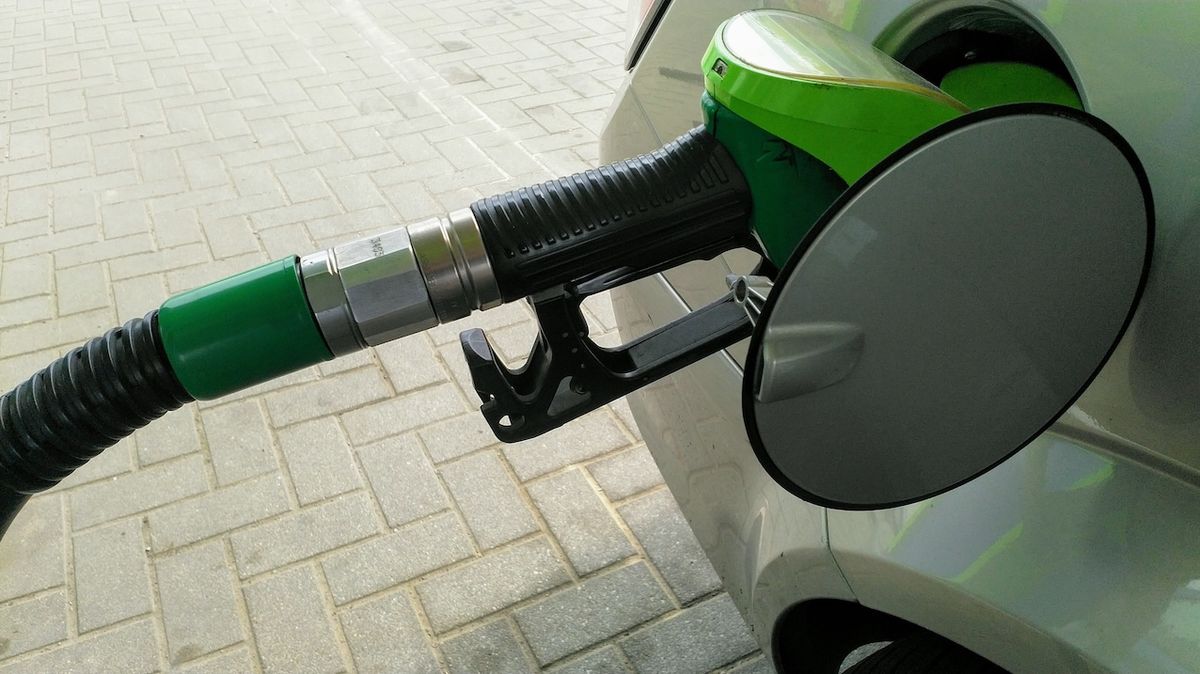
Retail fuel prices in the Czech Republic are experiencing a period of divergence, as recent market data indicates a marginal increase in gasoline costs alongside a continued decline in diesel prices. According to recent reports from the Czech Statistical Office and market analysts at Kurzy.cz, the volatility reflects broader shifts in European oil commodity markets and refining margins, which currently favor a slight softening for diesel while maintaining upward pressure on petrol.
Motorists across the country have observed localized variations in fuel costs over the last 14 days. While some regions report steady declines in pump prices, others are seeing the impact of global supply chain adjustments. This trend follows a broader pattern of fluctuating energy costs that have characterized the regional market throughout the current quarter, as tracked by the Ministry of Industry and Trade of the Czech Republic.
Drivers of Current Fuel Price Fluctuations
The primary factor influencing these price movements is the global price of refined petroleum products. As noted by analysts, the cost of crude oil—specifically Brent and WTI benchmarks—serves as the baseline, but the final retail price is significantly affected by the refining capacity and seasonal demand shifts. Diesel, which is heavily utilized in industrial logistics and agriculture, has seen a period of softening demand, leading to a decrease in its wholesale price relative to gasoline.
Gasoline prices, conversely, have remained slightly elevated due to seasonal usage patterns and specific refining maintenance schedules within European refineries. The International Energy Agency highlights that these maintenance cycles, while planned well in advance, often create temporary supply bottlenecks that prevent pump prices from falling as rapidly as crude oil benchmarks might suggest.
Regional Price Variations Across the Republic
Retail fuel pricing is rarely uniform across the country, as local competition, logistics costs, and regional tax distribution play a role in the final price displayed on the pylon. In regions such as the Liberec district, local reporting has identified a consistent downward trend in gasoline prices, suggesting that competitive pressure among independent retailers is playing a significant role in lowering costs for consumers.
Conversely, in areas like Příbram, data suggests that diesel prices have remained relatively stagnant despite the national trend of minor decreases. This disparity often arises from differences in inventory turnover rates at specific stations. Retailers who purchased their fuel stocks when wholesale prices were higher must sell through that inventory before they can reflect lower market prices to the consumer, a phenomenon often described as the “lag effect” in retail fuel pricing, as explained by the Czech Association of Petroleum Industry and Trade.
Impact of Global Trade and Supply Chains
Economic observers have pointed to the influence of international trade dynamics, particularly regarding energy imports and supply chain stability. The reliance on imported refined products means that the Czech retail market is sensitive to changes in the global energy trade landscape. While some commentary suggests that shifts in Asian demand—specifically from major importers like China—can influence global benchmarks, analysts emphasize that local fuel prices are predominantly determined by European supply and demand balances.
The stability of the Czech koruna against the U.S. dollar also plays a critical role. Since oil is globally traded in dollars, any depreciation of the local currency effectively increases the import cost for domestic fuel distributors, which can mitigate the benefits of lower global oil prices at the pump. The Czech National Bank continues to monitor these inflationary pressures as part of its broader mandate to maintain monetary stability.
What Consumers Should Expect Next
Looking ahead, market experts advise that fuel prices will likely continue to reflect the current supply-demand equilibrium until the next major shift in global crude benchmarks. Consumers seeking the most accurate and up-to-date pricing information for their specific area are encouraged to consult real-time tracking portals and official government data published by the Ministry of Industry and Trade.

The next official update on fuel price trends is expected to be released during the upcoming weekly assessment by the Czech Statistical Office. As market conditions remain fluid, motorists are advised to track local fluctuations through verified fuel price monitoring services to identify the most competitive rates in their vicinity. We welcome your observations on fuel pricing in your local area in the comments section below.
Worth a look