
Travelers entering the United States are subject to border search policies that permit U.S. Customs and Border Protection (CBP) officers to inspect electronic devices, including smartphones and laptops, without a warrant. While these searches are conducted at ports of entry, they remain a point of significant legal and privacy discussion regarding the scope of federal authority under the Fourth Amendment.
The legal framework governing these inspections relies on the “border search exception,” a doctrine recognized by the U.S. Supreme Court that allows for searches at international borders without the probable cause or warrants typically required in the interior of the country. According to the CBP Directive No. 3340-049A, officers may conduct both basic and advanced searches of electronic devices to ensure compliance with customs and immigration laws. A basic search involves reviewing files accessible through the device’s operating system, while an advanced search involves connecting the device to external equipment to review, copy, or analyze its contents.
The concern that a traveler’s search history—including viewing habits on platforms like YouTube—could influence entry decisions is grounded in the agency’s broad mandate to identify potential security threats. However, CBP policy explicitly states that searches should not be based on an individual’s race, ethnicity, or religion. The agency maintains that these inspections are vital for detecting evidence of illicit activities, such as child exploitation material, counterfeit goods, or information related to terrorism and national security.
Legal Authority and the Border Search Exception
The authority for these searches is not a new development but a long-standing application of federal law. Under the Tariff Act of 1930, customs officers are empowered to board and search vessels and vehicles, a power that has been extended to include digital storage devices in the modern era. The U.S. Department of Homeland Security (DHS) asserts that the government’s interest in protecting the border outweighs the individual’s expectation of privacy in this specific context.
Legal challenges to these policies have reached the federal court system, resulting in varying interpretations of how much privacy a traveler retains at the border. In 2019, the U.S. Court of Appeals for the First Circuit ruled in Alasaad v. Mayorkas that “forensic” searches of electronic devices—those that go beyond a manual review—require a reasonable suspicion of illegal activity. Despite this, the ruling largely affirmed that manual, non-forensic searches remain permissible without a warrant. Travelers are advised that while they may refuse to provide a passcode, such a refusal can lead to the seizure of the device and potential denial of entry into the United States.
What Travelers Should Expect at the Border
CBP officers operate under specific protocols when selecting individuals for secondary screening. Factors that may lead to a device inspection include intelligence-based targeting, travel patterns, or irregularities discovered during the initial interview process. According to the American Civil Liberties Union (ACLU), while travelers have the right to remain silent, they should be aware that foreign nationals do not have the same constitutional protections as U.S. citizens at the border, and entry into the country is a privilege granted by the government rather than a right.
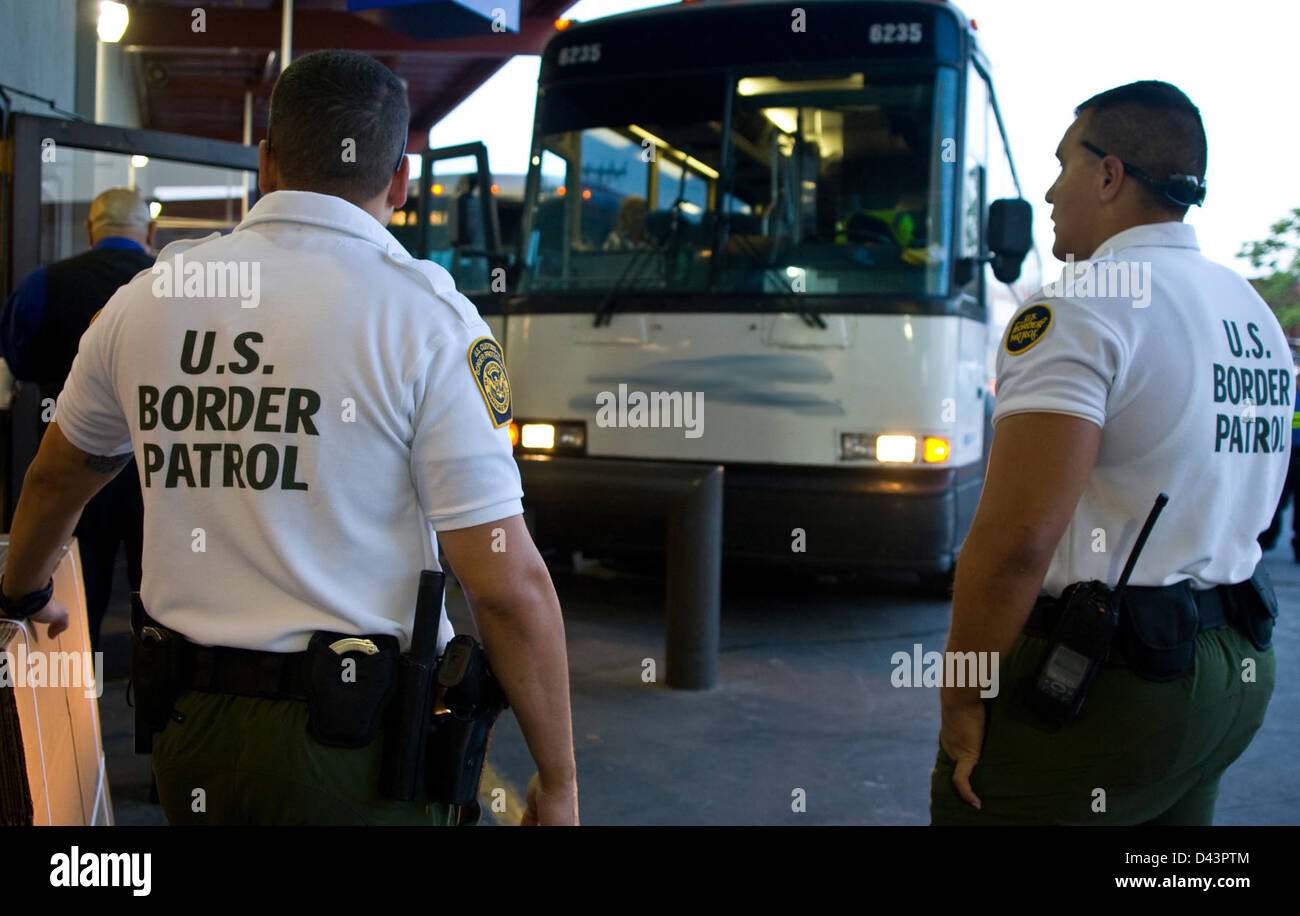
If a device is seized for further analysis, the CBP is required to follow specific procedures for the retention and eventual return of the hardware. The agency’s guidelines mandate that information found on devices must be handled in accordance with privacy and civil liberties protections. However, the practical reality for many travelers is that once a device is seized, the process for retrieval can be lengthy and complex. The DHS Privacy Office provides channels for individuals to file complaints or seek redress if they believe their rights were violated during a border search.
Digital Privacy and Risk Mitigation
For those concerned about the privacy of their digital footprint, legal experts and privacy advocates often suggest proactive measures before travel. This includes backing up data to the cloud, utilizing “guest” modes on devices, or traveling with “burner” phones that do not contain sensitive personal or professional information. It is important to note that deleting a search history does not necessarily prevent a specialized forensic tool from recovering cached data.
The intersection of national security and individual privacy continues to evolve as technology advances. As of the most recent reporting, there are no federal laws that prohibit the government from viewing a user’s publicly available internet history or YouTube viewing habits if they are stored locally on a device during a border inspection. Travelers who frequent sensitive content or who have concerns about their digital profiles are encouraged to review the current CBP travel advisories prior to their departure.
Looking ahead, the next significant update regarding border search protocols will likely emerge from future rulings in federal district courts, as civil liberties groups continue to challenge the breadth of the border search exception. For ongoing updates regarding federal travel regulations, travelers should monitor the official Department of Homeland Security website. We encourage our readers to share their experiences or questions in the comments section below.
Related reading