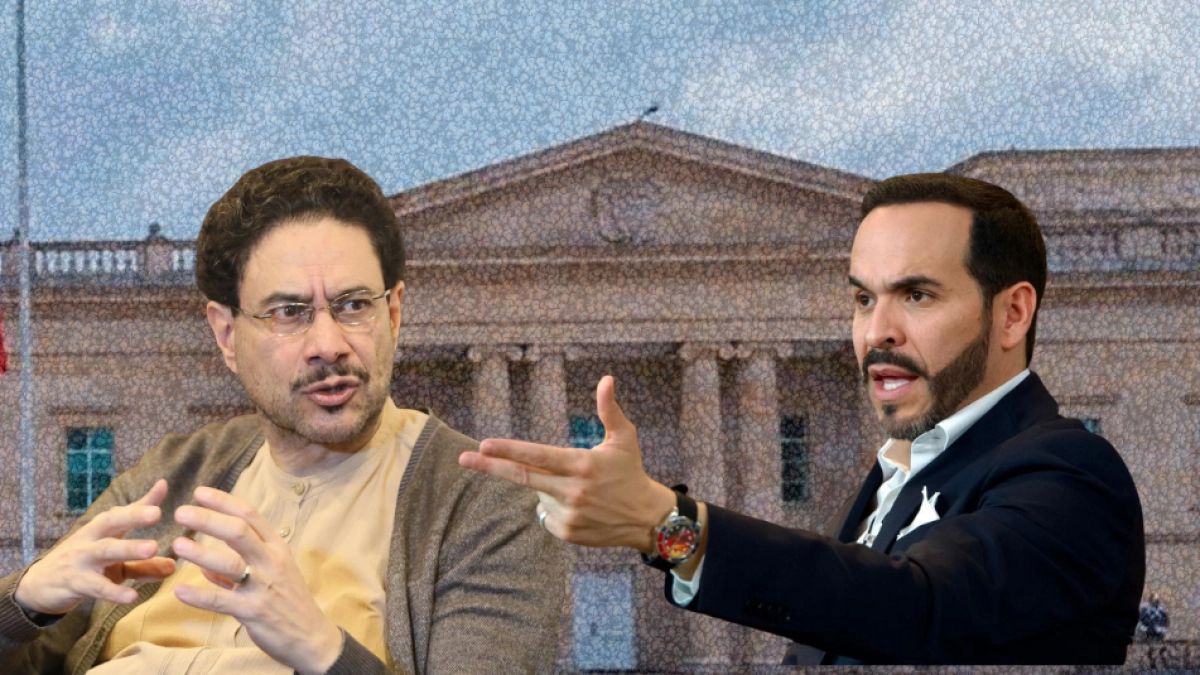
Colombian Senator Iván Cepeda has announced his intention to file a criminal complaint against Abelardo de la Espriella, a legal move that underscores rising political tensions as the country moves toward the 2026 presidential elections. Simultaneously, administrative disputes in South Florida are complicating voting access for the Colombian diaspora, as the City of Coral Gables has denied permission for the Colombian Consulate to utilize certain venues for potential election runoffs.
The dual developments—a high-profile legal confrontation between political figures and logistical hurdles for overseas voters—highlight the intensifying atmosphere surrounding the upcoming electoral cycle. While the legal dispute between Cepeda and De la Espriella focuses on individual conduct and potential criminal liability, the voting issues in Miami present a systemic challenge to the participation of Colombian citizens residing in the United States.
Legal Confrontation Between Iván Cepeda and Abelardo de la Espriella
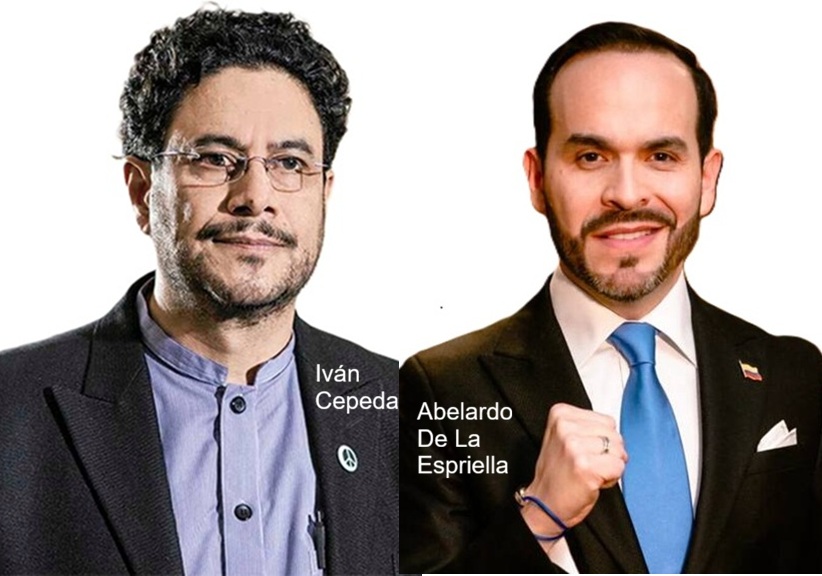
Senator Iván Cepeda, a prominent figure in the Colombian legislature, confirmed his decision to pursue criminal charges against Abelardo de la Espriella. While the specific legal grounds for the complaint are being finalized, the announcement marks a significant escalation in the rhetoric between the two figures. Cepeda’s move follows a period of increasing friction between different political factions in Colombia as they begin to position themselves for the 2026 contests.

Abelardo de la Espriella, a well-known attorney often active in public and political discourse, has responded to the announcement of the criminal complaint. The response from De la Espriella seeks to address the allegations, though the legal proceedings are expected to move through the Colombian judicial system in the coming months. The conflict reflects a broader trend of legalism being used as a tool in the highly polarized Colombian political landscape.
Political analysts note that such legal battles often serve as precursors to broader electoral campaigns. As candidates and influential public figures prepare for 2026, the use of criminal complaints can shape public perception and define the boundaries of political debate. The outcome of this specific case will depend on the evidence presented to the prosecutor’s office and the subsequent judicial review.
Voting Access Challenges in Miami and Coral Gables
In Florida, the Colombian diaspora is facing unexpected obstacles regarding election logistics. The City of Coral Gables has denied permission to the Colombian Consulate to hold a presidential runoff election at certain municipal locations. This decision has directly impacted the planning for how Colombian citizens in the Miami area will cast their ballots in the event of a second-round election.
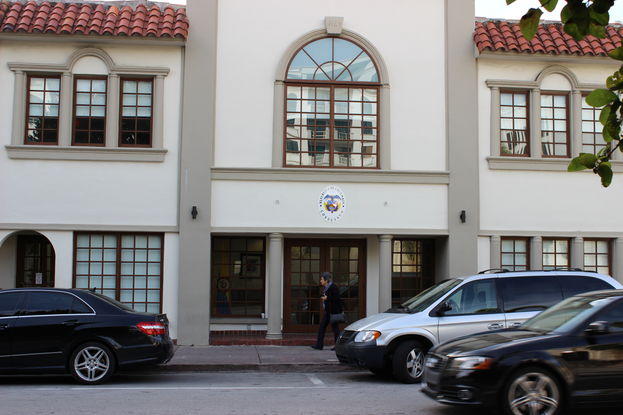
The refusal of permission has necessitated a change in voting locations, prompting the Colombian Consul to issue new instructions to the community. According to reports from local news outlets, the sudden shift in polling sites has caused concern among Colombian residents in South Florida who rely on these established locations to participate in national elections. The uncertainty surrounding these venues highlights the complexities of managing large-scale overseas voting operations.
The Colombian Consulate in Miami is working to provide updated guidance to mitigate voter confusion. For citizens residing in the United States, maintaining access to reliable polling stations is essential for ensuring the diaspora’s voice is heard in Colombian national affairs. The situation in Coral Gables serves as a reminder of the administrative and local regulatory hurdles that can interfere with international voting rights.
Comparison of Regional Voting Information
| Location | Current Status | Primary Concern |
|---|---|---|
| Miami / Coral Gables | Polling location changes implemented | Denial of venue permission for runoffs |
| Houston, Texas | Instructions provided via Consulate | Coordinating regional voter turnout |
The Impact of Logistical Hurdles on the Colombian Diaspora
The Colombian diaspora in the United States represents a significant voting bloc that can influence the outcome of national elections. When logistical changes occur—such as the relocation of polling stations in Miami—the potential for decreased voter turnout increases. The administrative friction between local U.S. municipalities and foreign consulates can create barriers to the constitutional right of citizens to participate in their home country’s elections.
For many Colombians living in the U.S., the consulate serves as the primary link to the democratic process. The ability to vote in a second-round runoff is particularly sensitive, as these elections often decide the direction of the country’s executive leadership. The recent developments in Coral Gables underscore the need for early coordination between the Colombian Ministry of Foreign Affairs and local U.S. authorities to prevent disenfranchisement.
Beyond Miami, other consulates, including the Colombian Consulate in Houston, are central to managing the electoral process for the diaspora. Ensuring that all voters are aware of their designated polling locations is a critical priority for election officials. The current uncertainty in Florida highlights the importance of clear, timely, and accessible communication from consular services.
Preparing for the 2026 Presidential Cycle
As the 2026 presidential elections approach, the Colombian political landscape is expected to become increasingly volatile. The legal disputes between figures like Cepeda and De la Espriella are symptomatic of a political environment where legal and electoral battles are deeply intertwined. These developments will likely set the tone for the campaigns of various political coalitions.
Simultaneously, the management of overseas voting remains a critical component of election integrity. The issues identified in Miami suggest that the Colombian government and its consular network will face significant testing in terms of logistical preparedness and local diplomacy. The ability to provide stable, accessible voting environments will be a key metric for the success of the 2026 electoral process.
Frequently Asked Questions
- What is the legal dispute between Iván Cepeda and Abelardo de la Espriella?
Senator Iván Cepeda has announced plans to file a criminal complaint against Abelardo de la Espriella, though the specific legal details are part of an ongoing political and legal development. - Why is voting in Miami being affected?
The City of Coral Gables denied permission for the Colombian Consulate to use specific venues for potential presidential runoffs, forcing a change in polling locations. - How can Colombian citizens in the U.S. find their voting locations?
Voters should monitor official announcements from the Colombian Consulate in Miami and the Consulate in Houston for updated instructions and polling site information.
The next major checkpoint in this developing story will be the official filing of the criminal complaint by Senator Cepeda’s legal team and any further administrative updates from the Colombian Consulate regarding the revised polling locations in Florida.
Do you have thoughts on the impact of overseas voting logistics? Share your views in the comments below and share this article to keep your community informed.
Related reading
- Pima County Law Enforcement Investigation: Retired SWAT Commander Explains 6-Month Frustration
- Gironde and Les Landes Travel and Local Discussion
- FDA's Compounded Semaglutide Ban, Explained: What Changes for Patients (daybreakwire.com)
- Trump Legal Team Defends Accountability Efforts Amid Ongoing Proceedings (world-today-news.com)