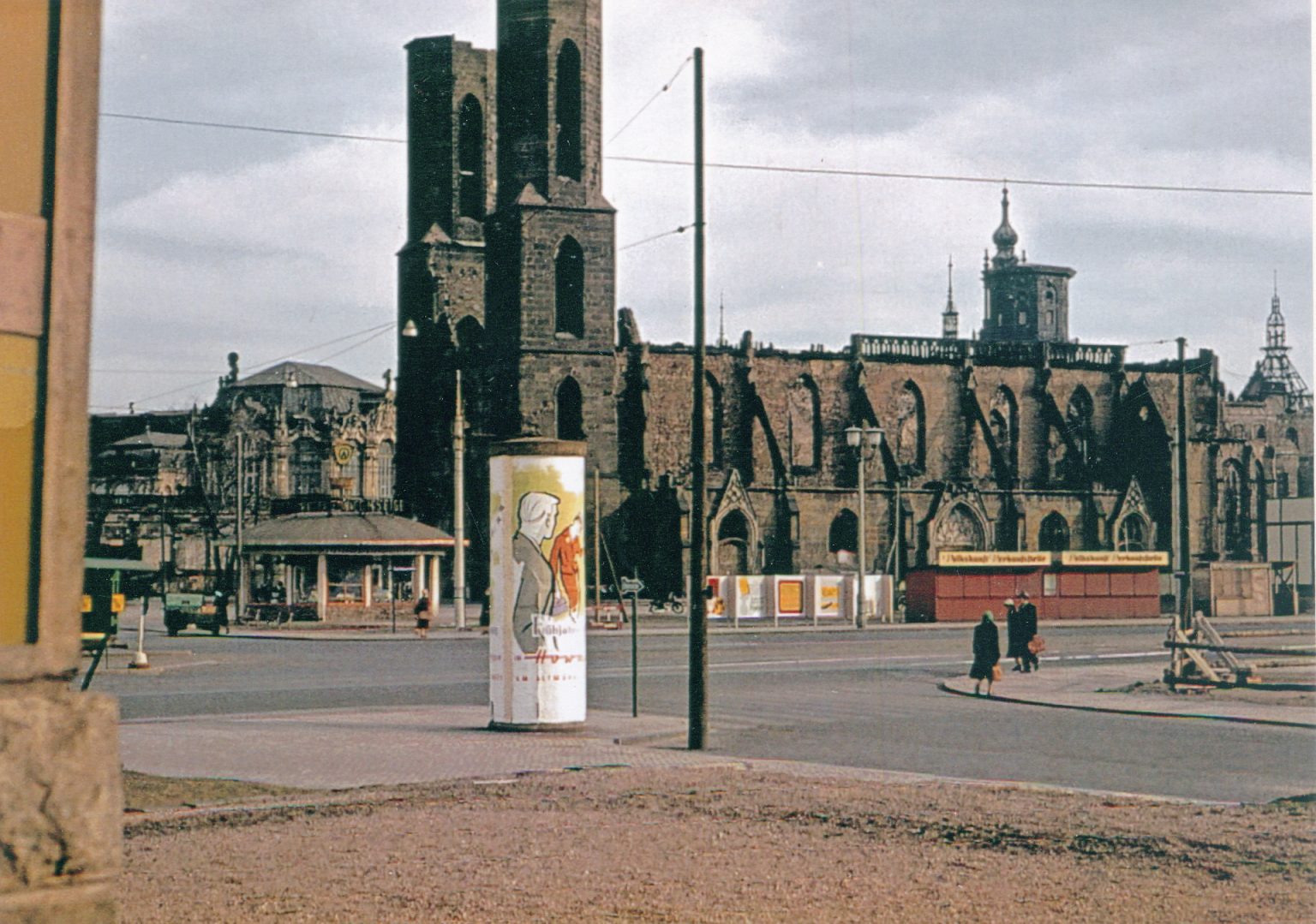
Dresden in 1971 serves as a critical focal point for European railway history, capturing a period of transition in East German transportation infrastructure and urban development. Archivists and transport historians frequently cite this era as a definitive moment for the Deutsche Reichsbahn (DR), the state railway of the German Democratic Republic, as it navigated the logistical challenges of the Cold War era. By examining the photographic records and technical documentation from this period, researchers gain insight into the operational realities of the Dresden railway hub, an essential crossroads for both domestic transit and international connections within the Eastern Bloc.
The significance of the 1971 period lies in the intersection of aging steam-traction legacy and the gradual modernization of the GDR’s rolling stock. According to records maintained by the Deutsche Bahn historical archives, the operational environment in Dresden during the early 1970s was characterized by intense pressure to maintain high-capacity freight and passenger throughput despite the constraints of a planned economy. For historians, these visual records are not merely nostalgic artifacts; they are primary source data documenting the specific locomotive classes and signal configurations that defined the city’s complex rail network.
The Operational Landscape of the Dresden Rail Hub
During the early 1970s, the Dresden railway network functioned as a vital artery for the German Democratic Republic. The hub managed a high density of traffic, connecting the industrial centers of Saxony with transit routes leading toward Berlin and the border regions. Based on technical data provided by the Dresden Transport Museum, the city’s rail infrastructure faced constant maintenance demands, as the heavy load of coal and industrial equipment strained the tracks and signaling systems of the era.

The transition from steam to diesel and electric power was a slow, deliberate process for the Deutsche Reichsbahn. In 1971, while electric locomotives were becoming more common on major corridors, steam engines remained a persistent feature of the Dresden landscape, particularly for shunting duties and secondary line operations. This coexistence of power technologies provides a clear snapshot of the technical limitations and industrial priorities of the GDR government at the time.
Documenting Urban and Industrial Change
The photographic evidence from 1971 offers a unique perspective on the urban development of Dresden following the post-war reconstruction efforts. Beyond the tracks, these images capture the architectural backdrop of a city in flux. Historians studying the history of Dresden note that the rail infrastructure was often the primary lens through which the health of the local economy was measured. The proximity of industrial zones to the main rail arteries necessitated a constant, rhythmic flow of cargo that shaped the daily lives of residents and workers alike.
For modern researchers, these records act as a benchmark for evaluating the long-term impact of mid-century urban planning. By comparing 1971 archival footage with contemporary satellite imagery and municipal planning documents, experts can track the evolution of land use in the city. The preservation of these technical details is essential for understanding how the Dresden rail network eventually integrated into the unified German federal railway system following the reunification process in 1990.
Methodology in Historical Rail Documentation
The rigorous documentation of railway history requires a multi-faceted approach, combining mechanical specifications with social history. When analyzing the 1971 period, scholars prioritize the verification of locomotive identification numbers, signal placement, and station layout diagrams. The Verkehrsverbund Berlin-Brandenburg and other regional transit authorities emphasize that accurate historical record-keeping is vital for current infrastructure projects, as modern engineers often rely on legacy blueprints to understand the underground and surface-level constraints of older transit hubs.
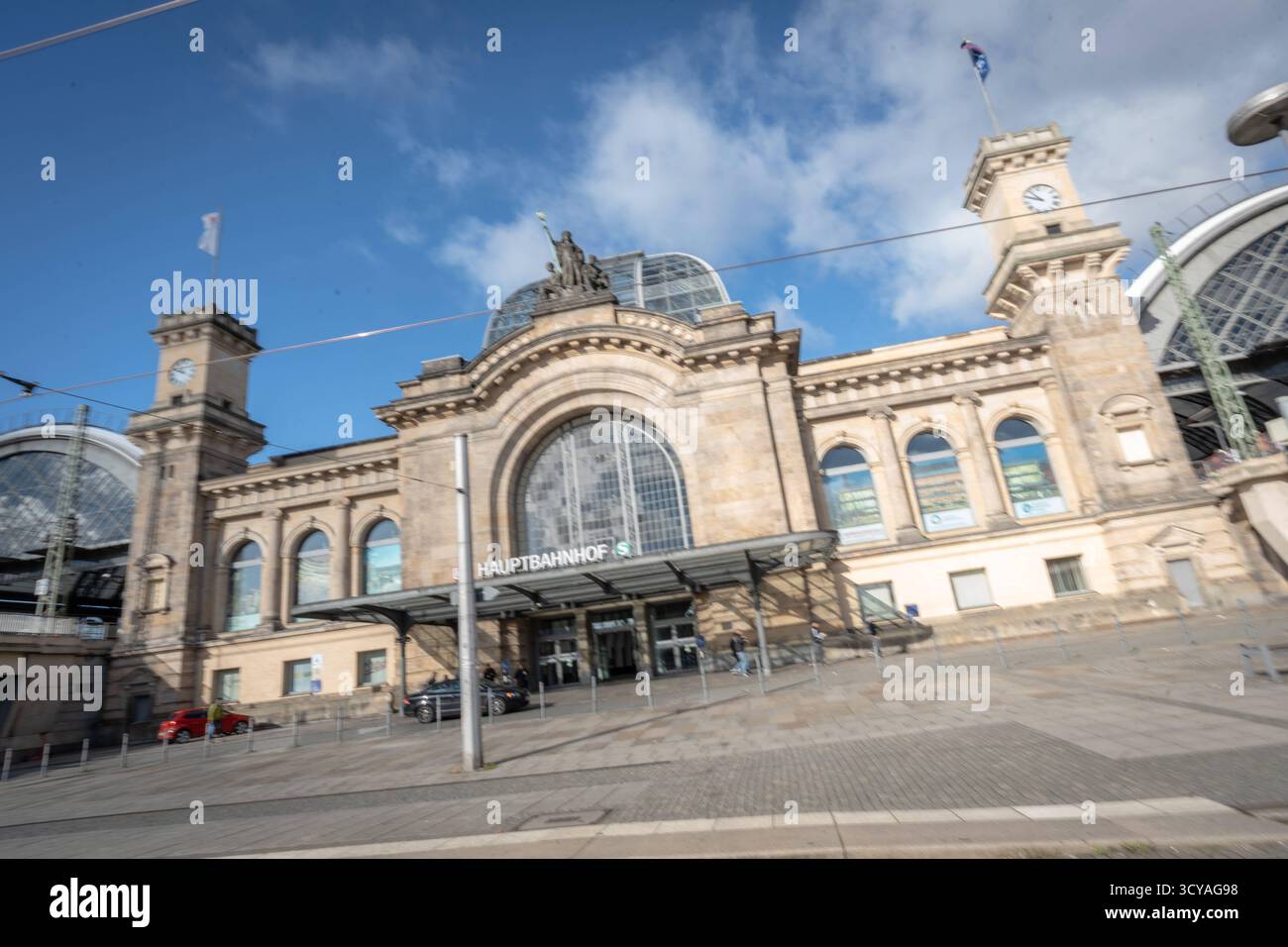
Collectors and historians interested in the 1971 Dresden era typically focus on three primary data points:
- Locomotive class specifications and their service history within the DR.
- The specific signaling protocols in use at the Dresden Hauptbahnhof and surrounding classification yards.
- The socioeconomic impact of rail-side industrial zones on the city’s overall urban density.
Future Perspectives on Rail Heritage
As interest in industrial heritage grows, the efforts to digitize and catalog these historical records become increasingly important. The preservation of the 1971 Dresden archive is supported by a global community of railway enthusiasts and professional historians who utilize digital platforms to cross-reference their findings. This collaborative model has successfully identified previously unknown details regarding train schedules and the daily operational routines of GDR railway workers.
The next major checkpoint for those tracking the preservation of GDR-era rail history involves the upcoming DB Museum exhibition cycle, which is expected to showcase new findings from the 1970–1975 period. Researchers and interested parties are encouraged to monitor official museum announcements and peer-reviewed historical journals for updates on newly released archival materials. If you have specific records or photographic evidence from this era, contributing to established historical databases remains the most effective way to ensure this information is preserved for future generations.
We invite readers to share their insights or historical inquiries regarding the Dresden rail network in the comments section below. Our editorial team monitors these discussions for new leads and verified historical contributions.