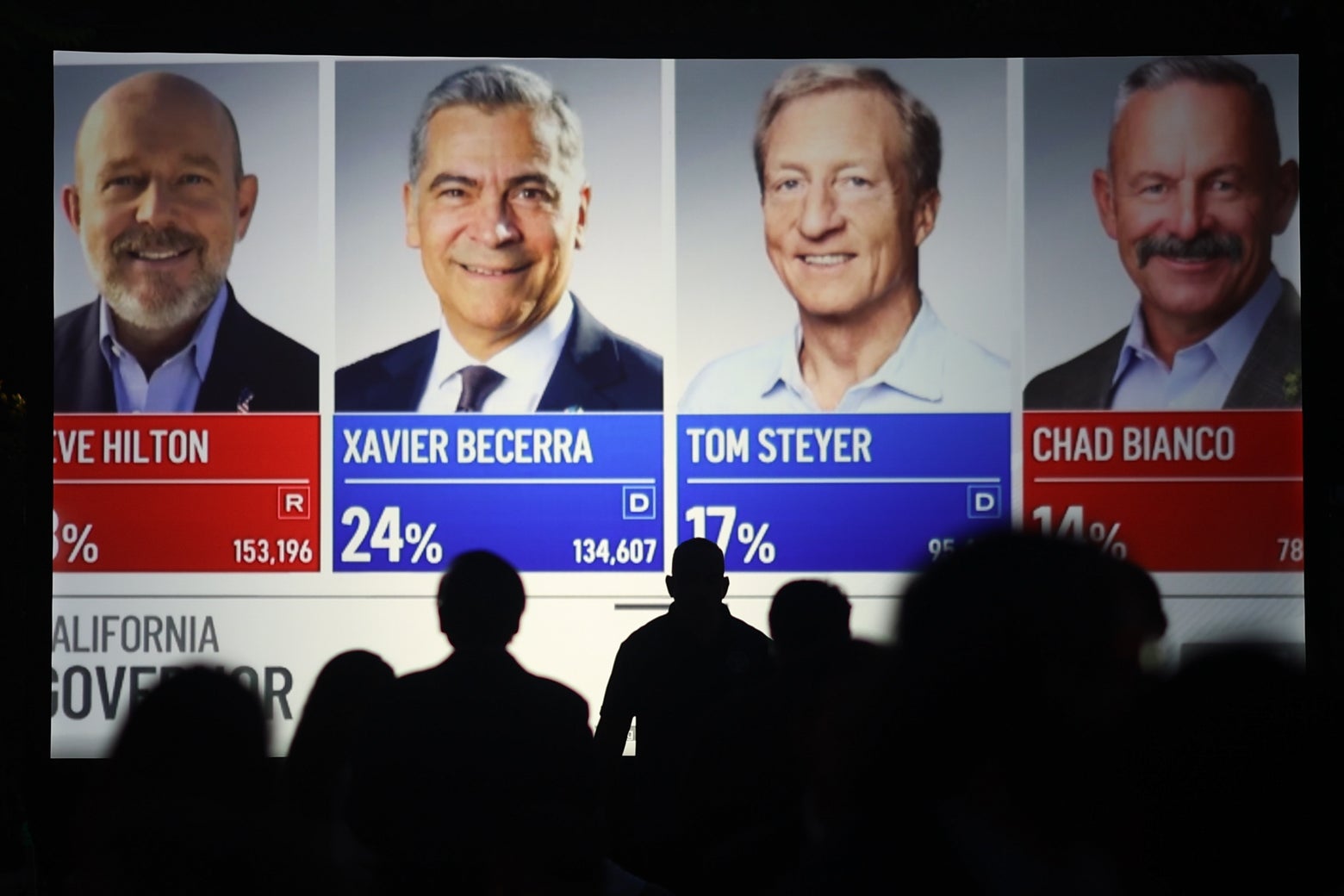
California’s prolonged vote-counting process has become a focal point in the national debate over election integrity, as the state’s reliance on mail-in ballots and extended processing windows often leaves election outcomes undecided for weeks. Under California law, election officials are permitted to continue counting ballots postmarked by Election Day for up to seven days, a timeline that critics argue creates a vacuum exploited by bad-faith actors to propagate misinformation. While the state’s approach is designed to ensure maximum franchise, the resulting delay in final results has prompted calls for administrative reforms to enhance public trust without compromising voter access.
The core of the issue lies in the state’s statutory framework, specifically the California Elections Code, which mandates that mail-in ballots must be postmarked on or before Election Day and received by county election offices no later than seven days afterward. According to the California Secretary of State’s office, this grace period is a deliberate measure to account for potential postal service delays, ensuring that a voter’s choice is not invalidated by logistical hurdles beyond their control. However, this extended window means that in high-turnout elections, millions of ballots remain uncounted on election night, leading to the “blue shift” phenomenon where election-day leads appear to narrow or flip as late-arriving ballots are processed.
Why California’s Vote-Counting Process Extends for Weeks
California’s election timeline is a product of both state policy and the sheer scale of its electorate. As the most populous state in the nation, California processes tens of millions of ballots, a massive logistical undertaking that requires rigorous verification procedures. Under California state law, every mail-in ballot must undergo signature verification to match the record on file, a process that is inherently more time-consuming than in-person voting. When signatures do not match, officials must reach out to voters to “cure” their ballots, a process that can take several days to complete.
The delay is further compounded by the state’s universal vote-by-mail system, which was made permanent for all registered voters via Assembly Bill 37, signed into law by Governor Gavin Newsom in 2021. This shift significantly increased the volume of ballots arriving by mail rather than in person. While this policy is credited with increasing voter turnout, it also means that the final tally is rarely known on election night, a reality that contrasts sharply with states that prioritize rapid, in-person reporting. According to the Pew Research Center, the transition to widespread mail-in voting has shifted the public’s expectation of when results should be finalized, often creating a mismatch between administrative reality and political rhetoric.
Addressing Vulnerabilities to Misinformation
The gap between Election Day and the certification of results creates a window of uncertainty that has been increasingly targeted by individuals and groups seeking to challenge the legitimacy of election outcomes. Because California’s legislative districts are often decided by thin margins, the slow accumulation of votes is frequently framed as evidence of irregularity. Election security experts, however, distinguish between “slow” and “fraudulent.” The Cybersecurity and Infrastructure Security Agency (CISA) emphasizes that the time taken to count ballots is a feature of a secure, transparent process that prioritizes accuracy over speed, noting that post-election canvassing and audits are standard procedures that protect the integrity of the count.
To mitigate the impact of this delay, some election observers suggest that states could adopt interim reporting mandates or increase the capacity for early ballot processing. Currently, counties are permitted to begin processing ballots before Election Day, but they cannot release results until polls close. A potential legislative fix involves updating state statutes to allow for more aggressive pre-processing of ballots, which would enable officials to release a higher percentage of the total count on election night. According to the National Conference of State Legislatures, several other states with high mail-in volumes have successfully implemented earlier processing windows to reduce the post-election lag.
Balancing Access and Public Trust
The challenge for California lawmakers is to streamline the count without disenfranchising voters who rely on the mail. Any legislative change must be weighed against the potential impact on voter participation, particularly among rural and elderly voters who may face greater challenges returning ballots by Election Day. Proposed reforms often focus on administrative efficiency rather than changing the fundamental rules of ballot eligibility. Discussions in the state legislature frequently center on funding for modernized ballot-sorting equipment and additional staffing for county registrar offices, which remain the primary bottlenecks in the reporting process.

Public trust remains the ultimate goal. The Brennan Center for Justice has advocated for greater transparency in the canvassing process, suggesting that providing more detailed, real-time data on the number of outstanding ballots can help manage public expectations. By clearly communicating how many ballots remain to be counted and why they are delayed, election officials can provide a factual counter-narrative to claims of impropriety. As the nation moves toward future election cycles, the pressure on California to reconcile its commitment to broad voter access with the demand for timely results will likely remain a central theme of state election policy.
The next major checkpoint for California election administration will be the upcoming oversight hearings held by the California Association of Clerks and Election Officials, where administrators will review the performance of the most recent cycle and discuss potential policy adjustments for the next primary. Readers are encouraged to monitor the official California Secretary of State website for verified updates on election procedures and to share their thoughts on how the state can best balance speed and security in the comments section below.
Keep reading