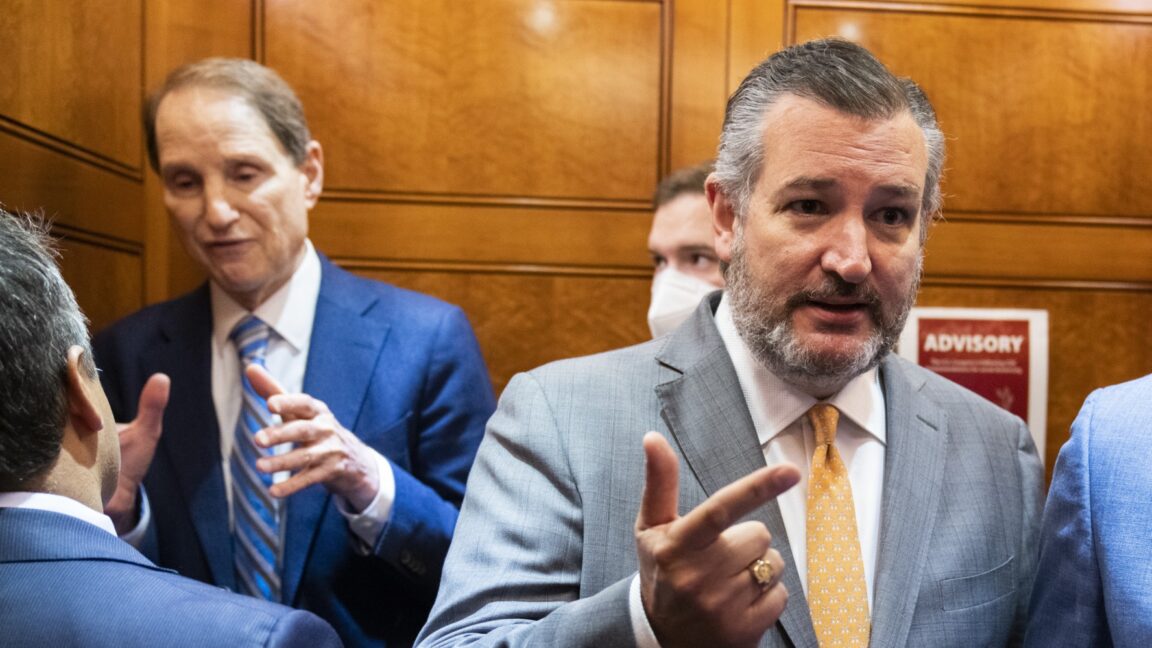
U.S. Senators Ted Cruz (R-Texas) and Ron Wyden (D-Ore.) have introduced the Justice Against Weaponized Bureaucratic Overreach to Networked Expression (JAWBONE) Act, a bipartisan bill aimed at curbing federal government influence over content moderation on digital platforms. The proposed legislation seeks to establish a private right of action, allowing individuals to sue federal officials for damages if they believe they were coerced into restricting speech, according to the official press release from Senator Cruz’s office. The bill targets the practice of “jawboning,” where government entities pressure private companies, including broadcasters, social media firms, and AI developers, to modify or remove content.
The introduction of this bill follows a period of heightened scrutiny regarding government communication with technology companies. The legislation specifically aims to prevent federal agencies and employees from using their regulatory authority to force or encourage private entities to censor specific viewpoints or categories of speech. By enabling civil litigation, the sponsors intend to provide a legal remedy for those who claim their speech has been stifled by bureaucratic pressure rather than organic platform policy, as detailed in the official announcement on Senator Wyden’s website.
Defining the Scope of the JAWBONE Act
The JAWBONE Act outlines clear prohibitions for federal employees regarding interactions with private companies. Under the proposed statutory language, agencies would be barred from coercing or attempting to coerce broadcasters, providers of online services, and AI service providers into changing their content moderation practices. This language is designed to address concerns regarding the influence of federal regulators over private-sector editorial decisions, a subject that has been the focus of recent congressional hearings and judicial reviews, including the Supreme Court’s decision in Murthy v. Missouri regarding government communication with social media platforms, as noted by the Supreme Court of the United States.


A significant component of the bill is the creation of a private right of action. If passed, individuals would be permitted to seek compensatory damages in federal court against government officials who violate these provisions. Furthermore, the bill grants state attorneys general the authority to initiate civil actions to enforce these standards, providing an additional layer of oversight beyond federal internal controls. This mechanism is intended to serve as a deterrent against the use of regulatory threats as a tool for content management, according to the legislative text available on Congress.gov.
Impact on Federal Agencies and AI Development
The reach of the JAWBONE Act extends beyond traditional social media moderation to include emerging technologies such as artificial intelligence and AI chatbots. By including AI service providers in the definition of protected entities, the sponsors are responding to concerns that government agencies might attempt to shape the training data or output guardrails of generative AI models. As these technologies become more central to public discourse, the question of whether federal guidance constitutes “coercion” remains a point of contention in administrative law, as discussed in reports from the Congressional Research Service.
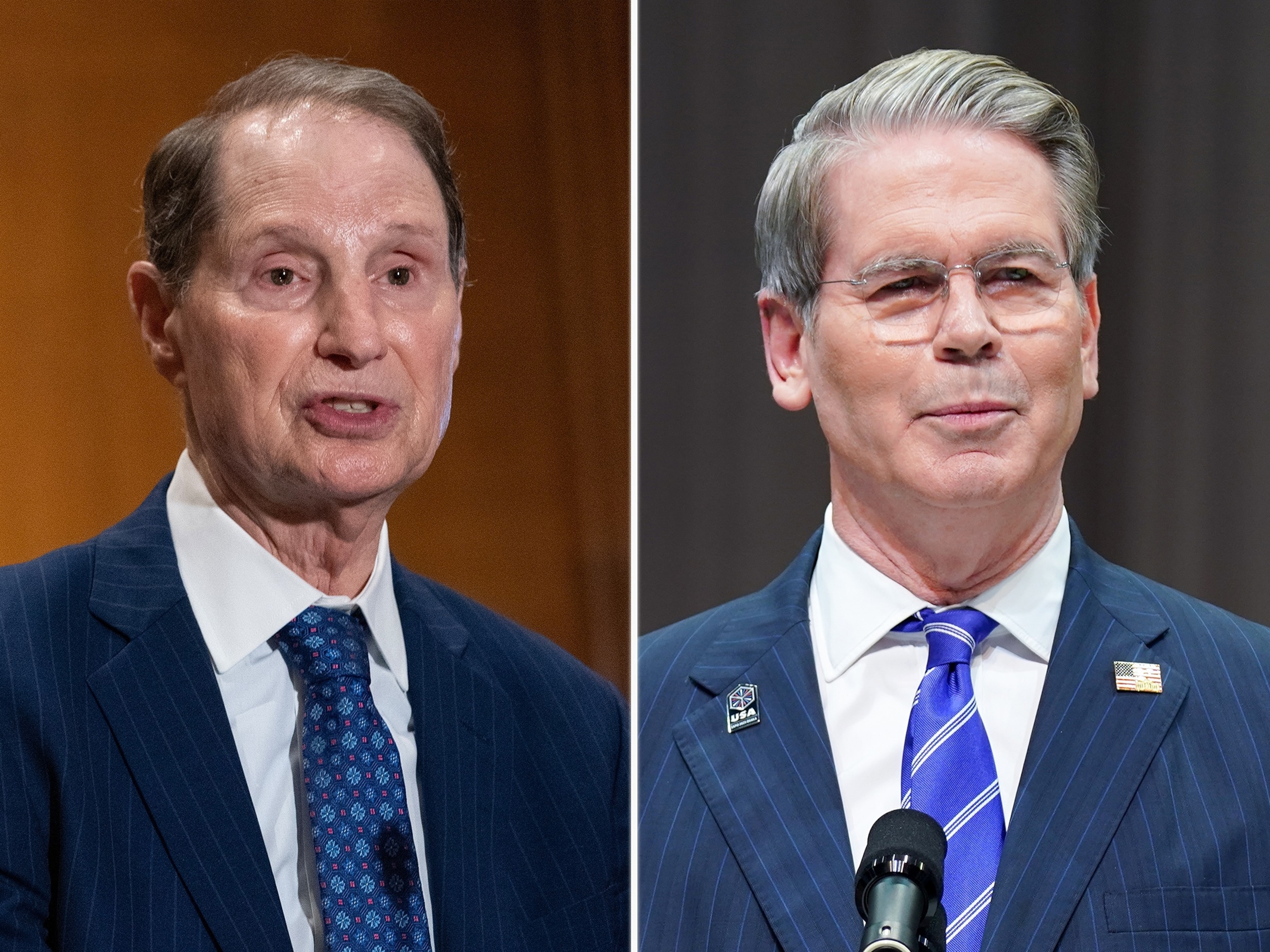
The bill’s potential application to the Federal Communications Commission (FCC) has also been highlighted by the sponsors. Critics of current regulatory practices have pointed to statements and inquiries from commissioners as examples of how government pressure can influence industry standards. By formalizing the prohibition against such “jawboning,” the bill seeks to clarify the boundaries between legitimate regulatory oversight and unconstitutional speech suppression. The legal threshold for “coercion” in this context is expected to be a central theme in any future floor debates, as legal scholars analyze the balance between agency mandates and First Amendment protections, according to guidance from the American Civil Liberties Union regarding government speech and censorship.
What Happens Next
The JAWBONE Act has been referred to the Senate Committee on Commerce, Science, and Transportation for further consideration. As with all proposed legislation, the bill must pass committee review and a full Senate vote before moving to the House of Representatives. No dates for committee hearings have been scheduled at this time. Interested parties can monitor the progress of the bill and view upcoming committee schedules through the official website of the Senate Committee on Commerce, Science, and Transportation.
The bipartisan nature of this bill marks a rare instance of alignment between senators from opposing parties on the issue of tech regulation and government transparency. Future developments will likely involve intense debate over the definition of “coercion” and whether the proposed private right of action could lead to a surge in litigation against federal employees. Readers are encouraged to check for official updates on the bill’s status through the Congressional record and share their perspectives on the intersection of government policy and digital free speech.
Worth a look