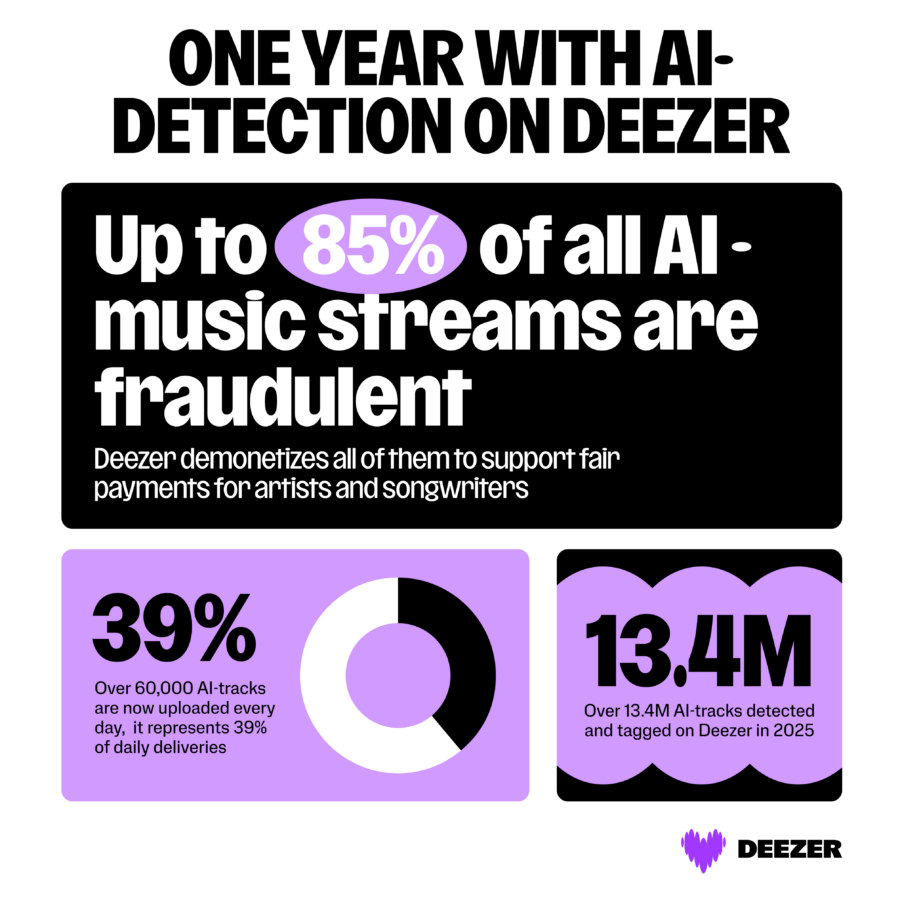
French music streaming platform Deezer has developed a proprietary identification tool specifically designed to detect and label songs generated by artificial intelligence. The technology aims to address the rising influx of AI-created content on streaming services, ensuring that human-made music and synthetic audio can be distinguished within the platform’s vast library. This initiative follows growing concerns from record labels and independent artists regarding the impact of generative AI on copyright and royalty distribution.
The implementation of this detection system is part of a broader industry-wide effort to manage the intersection of technology and intellectual property. According to official company statements, the goal is to protect the integrity of the streaming ecosystem by identifying tracks that do not originate from human performers. By flagging these files, the platform intends to provide greater transparency to its users and stakeholders while maintaining fair compensation structures for human creators.
How the AI Identification Technology Works
The tool functions by analyzing the sonic characteristics of uploaded files to distinguish synthetic patterns from traditional studio recordings. While the company has not disclosed the full technical specifications of the algorithm, it is designed to recognize the distinct digital signatures often left by generative models. This process is essential for scaling content moderation, as human review alone is insufficient to manage the millions of tracks uploaded to streaming services annually.
Industry experts note that the challenge lies in the rapid evolution of generative audio models, which are becoming increasingly sophisticated at mimicking human vocal and instrumental textures. By deploying automated detection, the platform seeks to keep pace with the high volume of automated content production. This development aligns with the three fundamental principles for AI outlined by the International Federation of the Phonographic Industry (IFPI), which emphasizes that the use of music for training AI models must be authorized and that the rights of creators must be respected.
The Impact on Streaming and Royalty Models
The rise of AI-generated music has sparked a debate over how royalties should be calculated and distributed. If a song is created entirely by an algorithm, questions arise regarding who owns the copyright and whether that track should be eligible for the same royalty pools as works created by human artists. The introduction of this identification tool allows the platform to categorize content more effectively, which is a necessary precursor to any future policy changes regarding AI-specific royalty tiers.
Major music labels have been vocal about the need for such measures. As reported by Reuters, several industry leaders have called for stricter regulations and labeling requirements for AI-generated music to prevent copyright infringement and the dilution of the market. Deezer’s move is seen as a proactive step to address these concerns directly, ensuring that the platform remains a viable environment for professional musicians while managing the influx of synthetic media.
Broader Industry Trends and Future Steps
The music industry is currently in a transitional period where legal frameworks are struggling to keep pace with technological advancements. In the United States, for example, the Copyright Office has repeatedly held that works created without human authorship are not eligible for copyright protection, as noted in various official guidance documents regarding AI-generated content. This legal stance provides a clear incentive for streaming platforms to identify and distinguish non-human content.
Looking ahead, the effectiveness of these detection tools will likely be tested by the increasing sophistication of deepfake audio and generative models. The platform has indicated that it will continue to update its detection capabilities as new technologies emerge. For artists and rights holders, the next major checkpoint involves potential industry-wide standards for metadata, which would force platforms to clearly label any content that incorporates AI, regardless of the detection technology used.
As the landscape of digital music continues to shift, further updates regarding these detection metrics are expected from the platform’s engineering and legal teams. Readers interested in the evolution of this technology are encouraged to follow official company announcements for future policy updates and technical white papers. We welcome your thoughts on how AI should be regulated in the creative arts; please share your perspective in the comments section below.
Related reading