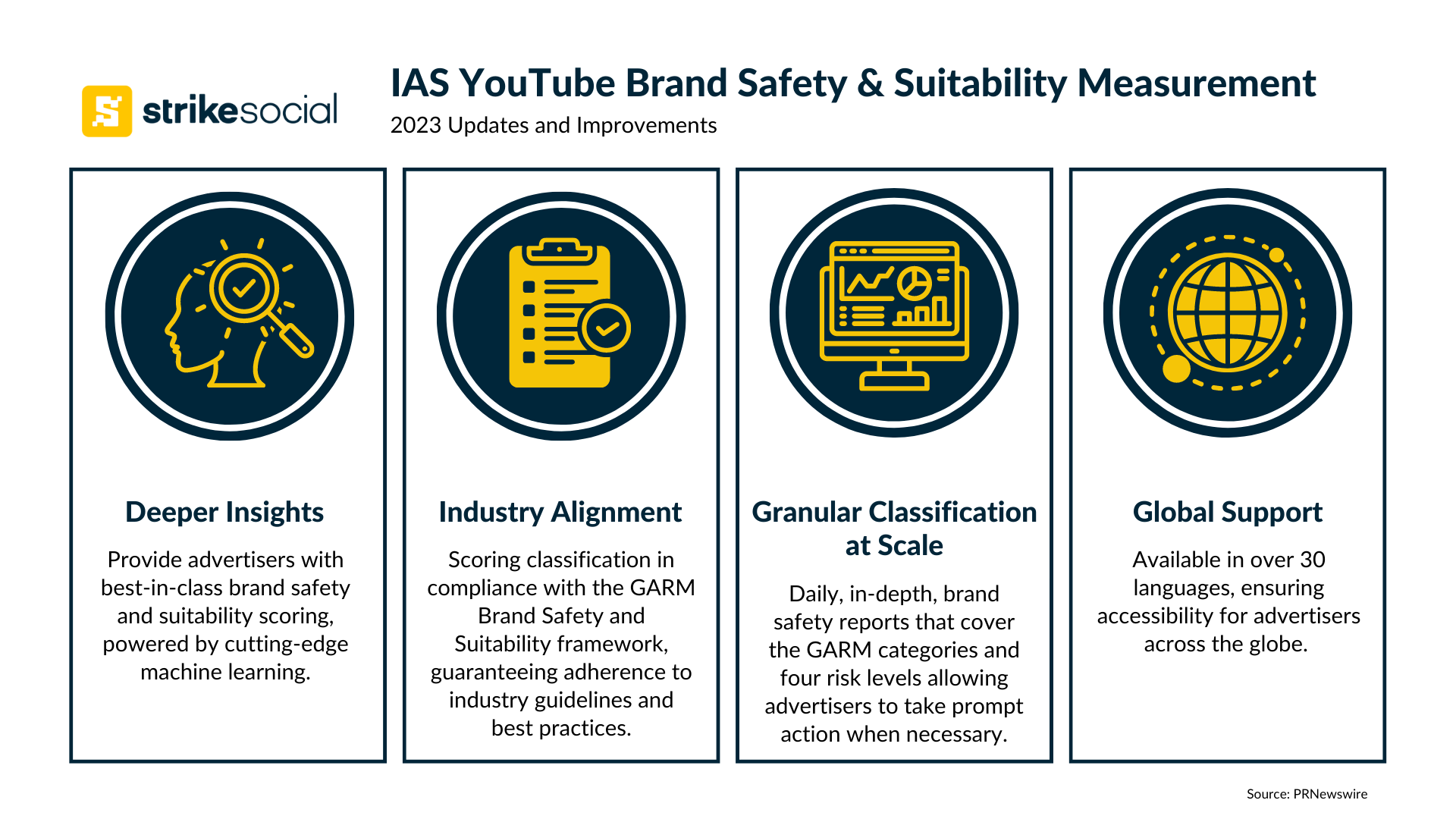
Integral Ad Science (IAS), a global leader in digital media quality, has announced the expansion of its brand safety and suitability measurement capabilities to include YouTube Audio Ads. This development allows advertisers to verify that their audio advertisements on the platform appear alongside content that aligns with their brand guidelines, providing a new layer of transparency in the rapidly growing digital audio market.
The integration aims to address concerns regarding the placement of ads within streaming environments. According to the official statement from IAS, this expansion leverages the company’s existing AI-driven technology, which is already used to classify video content on YouTube. By applying these classifications to audio campaigns, advertisers can now monitor and mitigate risks associated with unsuitable content, ensuring their messaging reaches target audiences in brand-safe environments.
Understanding Brand Safety in Audio Advertising
As brands shift more budget toward digital audio—including podcasts and streaming music—maintaining brand reputation has become a priority. Brand safety and suitability refer to the tools and practices used to ensure that advertisements do not appear on, or adjacent to, content that could be perceived as offensive, controversial, or misaligned with a brand’s values.

The expansion into YouTube Audio Ads is significant because it brings the same rigor used in video advertising to the audio format. Research from the Interactive Advertising Bureau (IAB) consistently highlights that digital audio consumption has seen steady growth, making it a critical touchpoint for marketers. By providing independent, third-party measurement, IAS enables brands to verify that their audio ads are not just heard, but heard in contexts that protect their brand equity.
How the Measurement Technology Works
The technical implementation relies on the same sophisticated machine learning models that IAS has refined for video. These models analyze the context of the content surrounding the ad placement. When applied to audio, the system evaluates the audio environment to ensure it meets the specific suitability thresholds set by the advertiser.

This process is crucial for advertisers who operate under strict compliance requirements. By utilizing these tools, companies can proactively exclude categories of content they deem inappropriate. The World Federation of Advertisers (WFA) has long advocated for industry-standard definitions of brand safety, and the adoption of these standards by measurement firms like IAS helps create a more unified ecosystem for digital media buying.
Why This Matters for Global Advertisers
For global brands, the risk of ad misplacement is not just a marketing challenge but a potential public relations issue. An ad appearing next to extremist or harmful content can lead to immediate backlash. The ability to measure this across different formats, including YouTube Audio Ads, allows for a holistic view of a campaign’s performance.
Furthermore, as platforms like YouTube continue to introduce new ad formats to capture audience attention, the need for independent verification grows. According to Nielsen audience measurement data, the shift toward multi-platform consumption means that advertisers can no longer rely on platform-provided metrics alone. Third-party verification remains the gold standard for ensuring that ad spend is protected across all channels.
Looking Ahead to Future Ad Standards
The digital advertising industry is currently moving toward more granular control over where ads appear. As IAS continues to integrate its technology with major platforms, we expect to see further developments in how AI-driven classification handles nuances in language, tone, and cultural context.
Advertisers looking to implement these new measurement tools should consult with their IAS account representatives or review the technical documentation provided through the IAS platform portal. The company has indicated that this feature is available immediately for global clients using the IAS dashboard to manage their YouTube campaigns.
As the industry awaits the next round of quarterly performance reports from major digital platforms, stakeholders remain focused on how these safety tools influence overall return on ad spend (ROAS). Future updates regarding the expansion of these tools to other streaming platforms are expected to be announced by IAS in the coming months. Readers interested in the latest updates on digital media quality can follow the official IAS press center for ongoing announcements.
What are your thoughts on the role of AI in ensuring brand safety across audio platforms? Share your perspective in the comments section below or join the conversation on our social media channels.
Worth a look