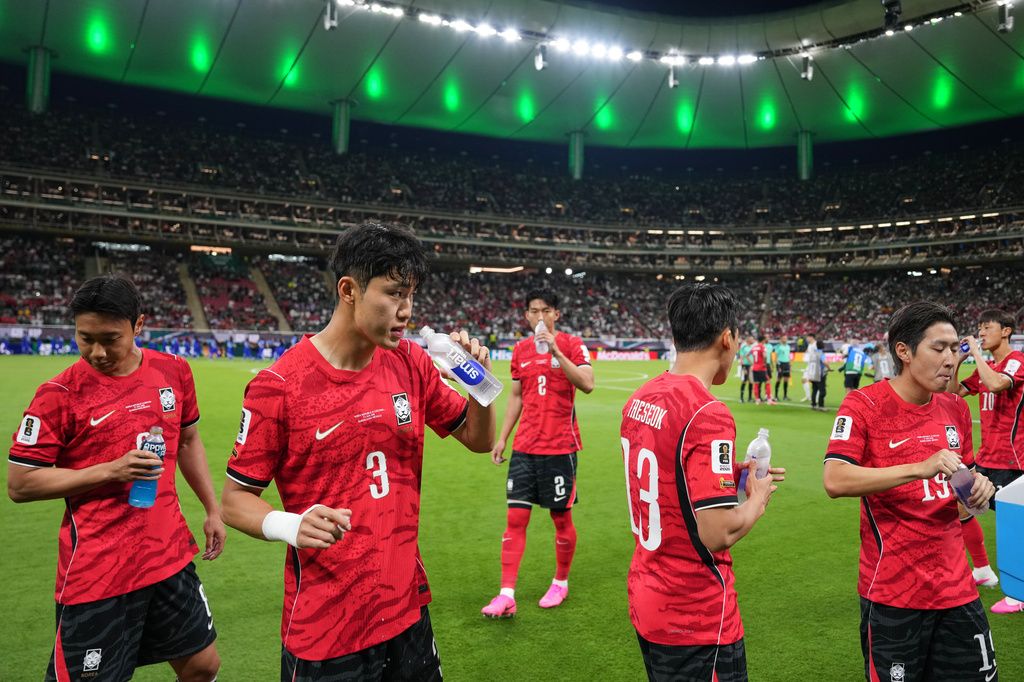
FIFA’s implementation of mandatory “cooling breaks” during high-temperature matches has drawn significant criticism from fans and viewers, who argue that the stoppages disrupt the rhythm of the game and prioritize commercial interests. The policy, designed to protect players from heat-related illnesses, allows referees to pause matches for hydration when wet-bulb globe temperatures reach specific thresholds, as outlined in the FIFA official medical guidelines. While intended as a health precaution, the breaks have become a flashpoint for debate regarding the balance between athlete safety and the viewing experience of professional football.
Understanding the FIFA Cooling Break Policy
The cooling break protocol is not a new invention but has gained prominence during international tournaments held in extreme climates. According to the FIFA Medical Committee, these breaks are typically scheduled for one minute in each half, usually around the 30th and 75th minutes of play. The decision to initiate a break is made by the referee, often in consultation with the match commissioner, based on real-time meteorological data gathered at the stadium level.

The primary objective is to mitigate the risks of heat exhaustion and heatstroke. Scientific consensus, supported by studies from the British Journal of Sports Medicine, confirms that high-intensity exercise in temperatures exceeding 30°C (86°F) can lead to significant fluid loss and cognitive impairment in elite athletes. By providing a structured interval for hydration, FIFA aims to lower the core body temperature of players, thereby maintaining performance levels and preventing medical emergencies during high-stakes competitions.
Fan Backlash and the Commercialization Debate
Despite the medical justification, the execution of these breaks has sparked intense backlash on social media and fan forums. A recurring complaint among supporters is that the stoppages are frequently utilized by broadcasters to insert additional advertising, effectively breaking the flow of the match. Critics have jokingly likened the 90-minute football match to a four-quarter game, a structure more commonly associated with American football or basketball, which traditional soccer fans argue undermines the sport’s fluid nature.
Public sentiment, as reflected in various online discussions, often centers on the perception that the “cooling break” has become a convenient vehicle for revenue generation. While FIFA maintains that the primary purpose is player welfare, the coincidence of these breaks with commercial slots has led many to question the transparency of the decision-making process. The tension highlights a broader conflict in modern sports: the increasing pressure to maximize broadcast revenue versus the preservation of the sport’s traditional rhythm.
Balancing Athlete Safety and Spectacle
The medical community generally supports the necessity of heat protocols, particularly as global temperatures continue to rise. Researchers from the Lancet Planetary Health have documented the increasing frequency of extreme heat events and their direct impact on outdoor sporting events. However, the challenge remains in how these safety measures are communicated and implemented.
To address these concerns, some sports analysts suggest that FIFA could improve the optics of the situation by mandating that cooling breaks be strictly non-commercial. If the stoppages were treated purely as medical timeouts—similar to injury assessments—it might alleviate the skepticism voiced by fans who feel the game is being “interrupted” for profit. As it stands, the current system continues to serve as a reminder of the complex logistical challenges faced by global sporting bodies when hosting major events in regions susceptible to extreme heat.
What Happens Next?
FIFA has not announced any immediate changes to the cooling break policy for upcoming international fixtures. The protocol remains an active part of the match-day operations manual for tournaments held in high-temperature environments. Fans and stakeholders should monitor the official FIFA news portal for any updates regarding revisions to match-day safety procedures or broadcast regulations.
The debate over how to manage extreme weather in football is likely to persist as long as tournaments continue to be hosted in diverse climates. Readers are encouraged to share their thoughts on whether athlete safety should always override concerns regarding game continuity in the comments below.
Related reading