
Fiat plans to expand its global vehicle lineup with two new SUV models scheduled for release in 2026 as part of a broader strategy to solidify its presence in the competitive crossover market. According to official statements from Stellantis, the parent company of Fiat, these upcoming vehicles are designed to align with the brand’s commitment to electrification and modular platform architecture, aiming to provide versatile options for both urban and suburban drivers.
The automotive industry has seen a consistent shift toward high-riding, utility-focused vehicles, and Fiat’s announcement serves as a response to evolving consumer preferences. By leveraging shared components across the Stellantis group, the company intends to streamline production costs while maintaining the Italian design aesthetic that has historically defined the brand. While specific technical specifications remain subject to final testing, the move is widely viewed by market analysts as a critical step in maintaining Fiat’s relevance in the European and international passenger vehicle sectors.
Strategic Expansion within the Stellantis Portfolio
The introduction of these two SUVs is part of a larger, long-term roadmap for Fiat, which focuses on scaling its manufacturing capacity through the use of the Smart Car platform. This modular architecture is already utilized in several Stellantis models, allowing for multiple propulsion types, including internal combustion engines, hybrids, and fully electric powertrains. By utilizing this platform, Fiat can manufacture different vehicle segments on the same assembly line, a move that the company indicates will improve operational efficiency and reduce the time required to bring new products to market, as detailed in the Stellantis Investor Day 2024 presentation.
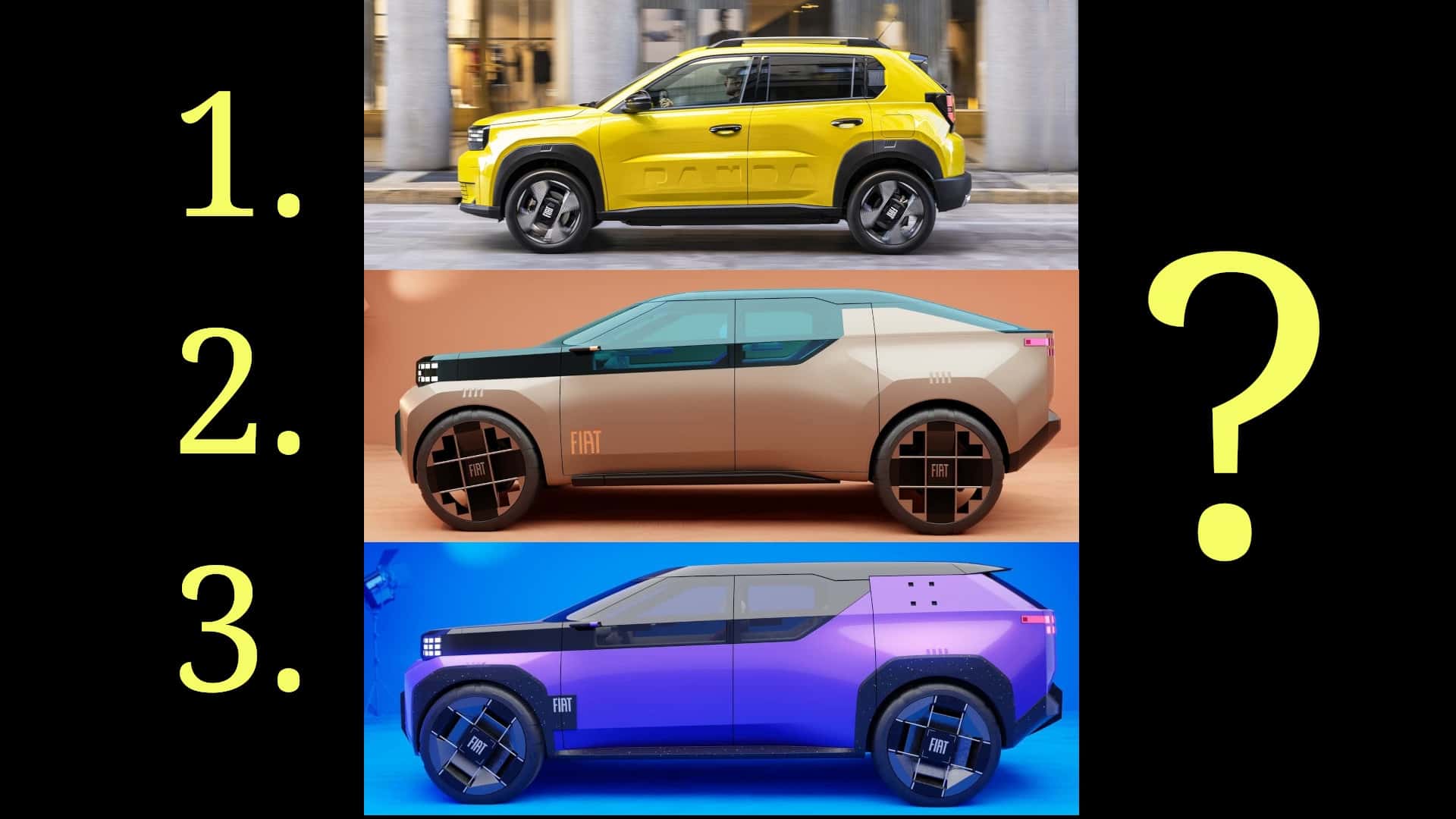
This strategy is intended to address the growing demand for affordable yet feature-rich SUVs. As market competition intensifies, particularly with the entry of new manufacturers, Fiat’s focus on a unified platform is designed to preserve price competitiveness without sacrificing build quality. The move signals a transition from the brand’s traditional focus on compact city cars to a more diversified portfolio that better reflects the current global shift toward utility vehicles.
Anticipated Market Impact and Consumer Options
Industry experts suggest that the 2026 launch window is a strategic decision intended to coincide with the next phase of European emission standard updates. By preparing a fresh lineup of SUVs, Fiat aims to ensure its offerings remain compliant with increasingly stringent environmental regulations while providing consumers with the latest in-car connectivity and safety technology. According to recent market reports from Reuters, company leadership has emphasized the necessity of expanding the Fiat catalog to capture a larger share of the entry-to-mid-level SUV market.
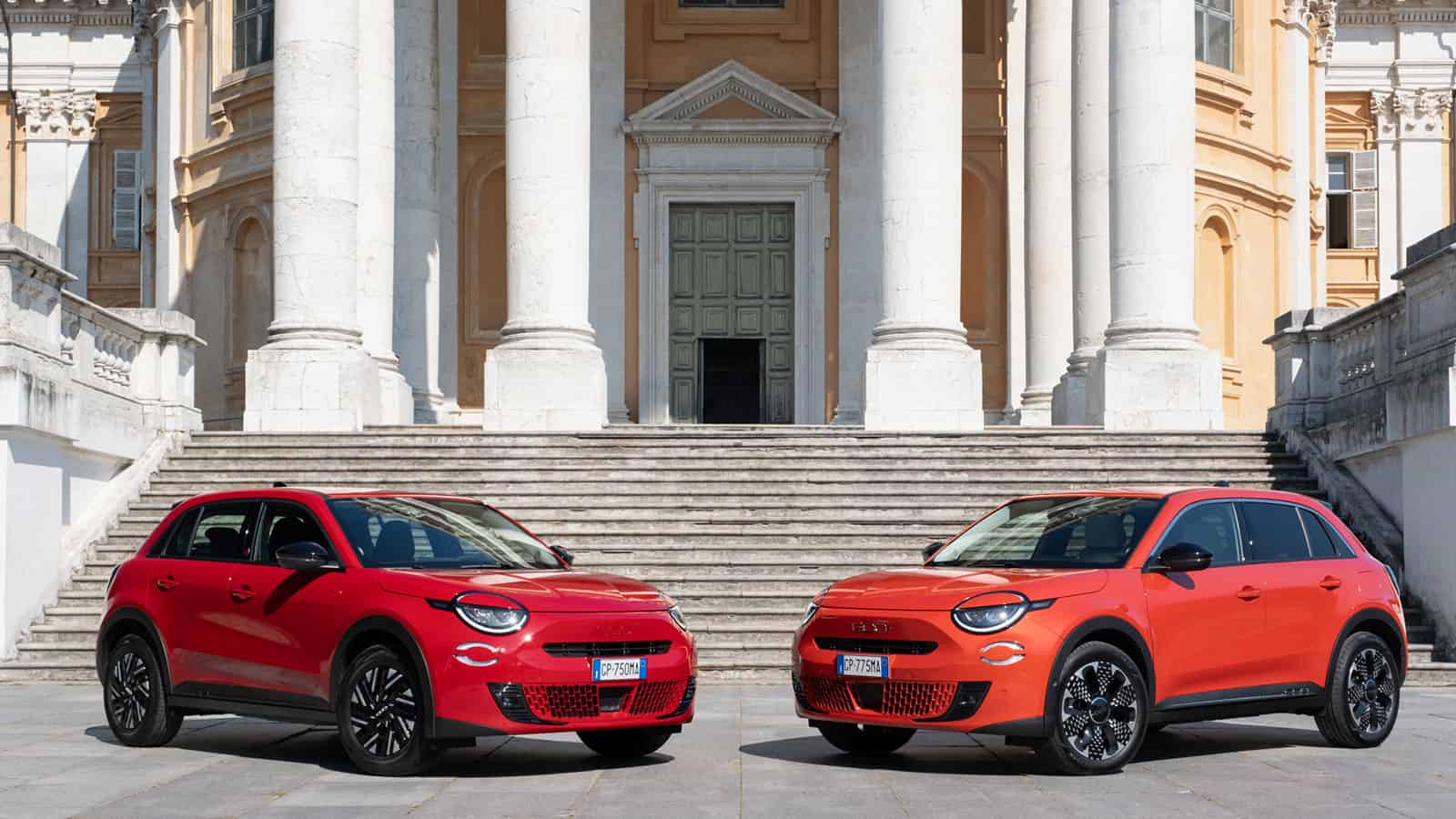
For potential buyers, the 2026 models are expected to fill the gap between the existing Fiat 600 and larger, non-Fiat-branded crossovers currently under the Stellantis umbrella. The focus will likely be on interior space, modularity, and advanced driver-assistance systems (ADAS), which have become standard requirements for modern vehicles. While specific pricing has not been disclosed, the use of a shared architecture suggests that Fiat will target the mid-range price bracket, aiming to compete directly with other mass-market manufacturers.
Technological Foundations and Future Production
The development of these models relies heavily on the integration of software-defined vehicle features. Stellantis has confirmed that its future models will incorporate the STLA Brain and STLA SmartCockpit architectures, which allow for over-the-air updates and improved user interface capabilities. These advancements are expected to be central to the 2026 SUV lineup, ensuring that the vehicles remain competitive well into the next decade. Further information regarding the technical capabilities of these systems can be found in the official technical documentation provided by Stellantis.
Production logistics are also a key factor in this rollout. The company has indicated that it will utilize its existing global manufacturing network to facilitate the launch, minimizing the need for new, large-scale plant construction. By optimizing existing facilities, Fiat intends to maintain a lean operation while scaling production to meet anticipated demand across multiple regions, including Europe, South America, and the Middle East, where the Fiat brand maintains a strong consumer base.
What Happens Next
As the 2026 target date approaches, stakeholders and consumers can expect a series of incremental updates from Fiat regarding design previews, powertrain configurations, and regional availability. The company typically follows a structured rollout for new platforms, beginning with official design teasers followed by prototype testing announcements. Potential customers and industry observers should monitor the official Fiat newsroom for the most accurate and up-to-date information regarding upcoming vehicle specifications and press events.
As of this reporting, there are no further official disclosures regarding specific naming conventions or localized launch dates. The company’s next major update is expected during the annual shareholder or investor briefings, where further details on the 2026 product roadmap are likely to be clarified. Readers interested in the evolution of these models are encouraged to follow the official company channels for verified announcements.