
Mexican authorities are under increasing pressure to ensure the safety and rights of families searching for missing relatives, as international observers raise concerns over the treatment of these groups during public demonstrations. Human rights organizations have called on both Mexico City and federal officials to prioritize dialogue and refrain from using force against collectives of family members who continue to highlight the ongoing crisis of disappearances in the country.
The call for protection comes as Mexico prepares for high-profile international events, including the 2026 FIFA World Cup, which is expected to draw significant global media attention to the nation. Advocates argue that the increased visibility of these events makes it more critical than ever that the state respects the right of families to protest without being stigmatized or subjected to intimidation.
The Obligation to Protect Protest Rights
The right to peaceful protest is a fundamental human right that the Mexican state is legally obligated to protect, according to Edith Olivares Ferreto, Executive Director of Amnesty International Mexico. In a recent statement, she emphasized that authorities must facilitate these demonstrations rather than viewing them as threats to public order.

“Authorities have an obligation to facilitate and protect the right to peaceful protest, not to obstruct it. Their actions must prioritize dialogue, the protection of the integrity of those taking part in demonstrations, and the adoption of measures to prevent any form of repression, intimidation or unnecessary use of force,” said Edith Olivares Ferreto, Executive Director of Amnesty International Mexico.
The organization has urged the government to investigate reports of potential abuses that may have occurred during recent mobilizations. By ensuring that future protests are managed with respect and effective protection, the state can fulfill its duty to uphold international human rights standards. These protections are grounded in the Mexican Constitution, which guarantees the right to freedom of assembly and association, as detailed in the Political Constitution of the United Mexican States.
The Crisis of Disappearances in Mexico
Families searching for missing loved ones serve as a vital force in bringing attention to the humanitarian crisis of enforced disappearances. Their efforts in searching, identifying, and seeking truth and justice are recognized as a legitimate form of human rights defense. For many, these protest movements are the only mechanism left to compel the state to act after formal channels have failed to provide answers.
According to the National Search Commission (CNB), the number of missing and disappeared persons in Mexico remains a significant concern, with official records tracking tens of thousands of unresolved cases. The families of the missing have consistently highlighted that their demands for information are not a challenge to national stability, but rather a plea for the state to fulfill its core responsibilities.
“Families search because the state has failed to fully guarantee truth and justice. Their demand cannot be treated as a threat to public order. Guaranteeing their right to demonstrate is not a concession: it is an obligation of the Mexican state,” added Olivares Ferreto.
Ensuring Safety During International Events
As Mexico moves toward hosting major international events, the focus on the government’s human rights record is likely to intensify. The international community, including bodies like the Office of the United Nations High Commissioner for Human Rights, has previously urged the Mexican government to strengthen its search mechanisms and protect those who advocate for the disappeared.
The current challenge for federal and local authorities is to balance the logistics of large-scale international gatherings with the democratic necessity of allowing citizens to air grievances. Observers note that the treatment of these protest groups will serve as a bellwether for the state’s commitment to democratic norms. Human rights groups emphasize that the state must ensure that families are not exposed to additional risks, including criminalization or public stigmatization, while they exercise their right to be heard.
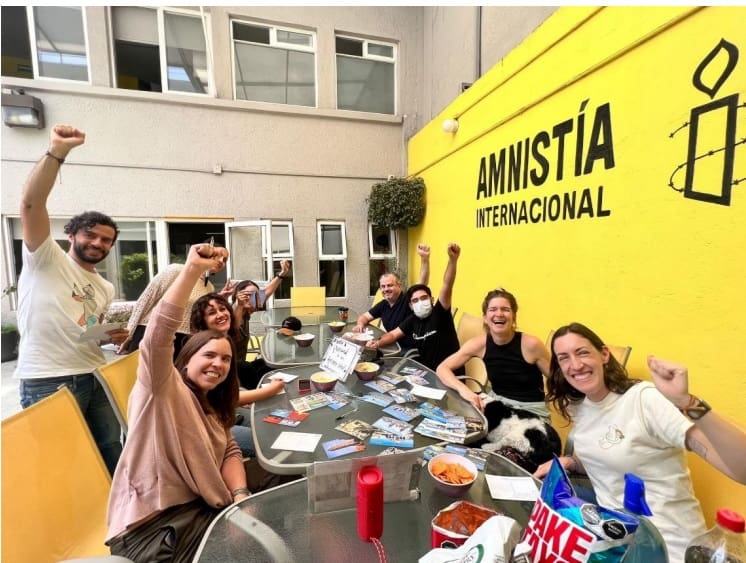
For families, the next steps involve continued advocacy and monitoring of government actions. Advocacy groups have indicated they will continue to document any instances where their right to peaceful assembly is curtailed. Those seeking information or wishing to report incidents can consult resources provided by the Secretariat of the Interior (SEGOB), which oversees national policy on human rights and search efforts.
The situation remains fluid as civil society organizations continue to monitor the state’s response to these demonstrations. Further updates on the status of these human rights protections are expected as official government channels release information regarding public security protocols for upcoming national events.
Related reading