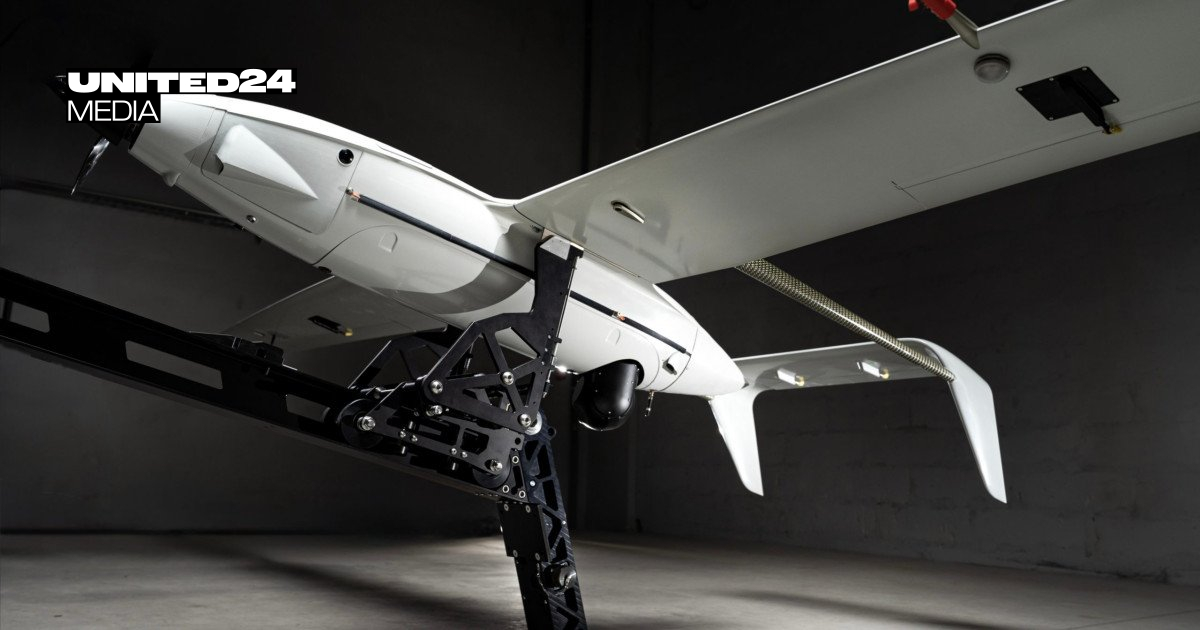
German defense technology firm INTEC and Ukrainian drone manufacturer Skyeton have entered a strategic partnership to supply advanced unmanned aerial systems (UAS) to European militaries, with a primary focus on fulfilling requirements for the German Armed Forces. The collaboration centers on the deployment of the Raybird-3, a long-endurance reconnaissance drone that has undergone extensive operational testing in active combat zones during the ongoing war in Ukraine, according to company statements released this week.
The agreement marks an effort to integrate combat-proven Ukrainian aerospace technology into the procurement pipelines of NATO member states. By combining INTEC’s engineering and logistics capabilities with Skyeton’s specialized hardware, the firms aim to address the urgent demand for persistent aerial surveillance and intelligence-gathering capabilities across the European continent, as reported by Defense Aerospace.
Operational Capabilities of the Raybird-3 System
The Raybird-3 is a fixed-wing, long-endurance drone designed for intelligence, surveillance, and reconnaissance (ISR) missions. According to technical specifications provided by Skyeton, the aircraft features a flight endurance of up to 24 hours and can operate at altitudes reaching 3,500 meters. These systems are specifically engineered to function in contested electronic warfare environments, where GPS signals are frequently jammed or spoofed.

For the German Armed Forces and other prospective European clients, the primary value of the Raybird-3 lies in its “combat-proven” designation. Unlike developmental prototypes, these systems have been deployed by Ukrainian forces to monitor front-line movements and coordinate artillery strikes. The integration of this technology into the European defense market signifies a shift toward adopting agile, lower-cost drone systems alongside traditional, high-cost military hardware, a trend noted by the European Parliament’s Committee on Security and Defence.
Strategic Alignment and European Defense Procurement
The partnership arrives at a time when European nations are rapidly expanding their drone inventories to meet the NATO Capability Targets. Germany, in particular, has sought to diversify its supply chain following the lessons learned from the conflict in Ukraine, where the reliance on small, tactical UAS has become a cornerstone of modern maneuver warfare. INTEC’s role in this venture involves facilitating the certification and integration of the Skyeton platforms into the strict regulatory framework required for German military service.
While the exact number of units to be delivered remains subject to finalized contract negotiations, the companies indicated that the production process will be streamlined to allow for rapid scaling. This procurement strategy aligns with the broader goals of the European Defence Agency (EDA), which has been pushing for increased cross-border cooperation and the standardization of unmanned systems to bolster regional interoperability.
Addressing Technical and Regulatory Challenges
Integrating non-EU-produced drone technology into the German military requires meeting rigorous safety and data security standards. According to the German Federal Ministry of Defence, any new equipment must undergo a comprehensive validation process to ensure that software vulnerabilities are mitigated and that data transmission remains secure. INTEC is expected to lead these compliance efforts, ensuring that the Ukrainian-designed systems meet the specific requirements of the Bundeswehr.
Experts in defense procurement highlight that this partnership serves as a model for “tech-transfer” between Ukraine and the EU. By allowing European firms to manufacture or support systems developed in the crucible of the current conflict, the industry can bypass the multi-year development cycles that typically characterize military acquisitions. This approach provides an immediate boost to defensive capabilities while fostering a deeper industrial link between Ukraine and the EU defense sector.
What Happens Next for the INTEC-Skyeton Project
The next phase of the partnership involves the establishment of a formal supply chain infrastructure capable of supporting ongoing training and maintenance for European operators. Interested stakeholders should monitor updates from the German procurement office, the Federal Office of Bundeswehr Equipment, Information Technology and In-Service Support (BAAINBw), for official announcements regarding contract awards and delivery schedules.

As the conflict in Ukraine continues to evolve, the demand for battlefield-tested technology is expected to rise. Future updates on this partnership will likely focus on the expansion of production facilities within the European Union and the potential integration of additional sensor payloads onto the Raybird platform. We invite our readers to share their perspectives on the integration of combat-tested technology into European defense strategies in the comments section below.
Worth a look