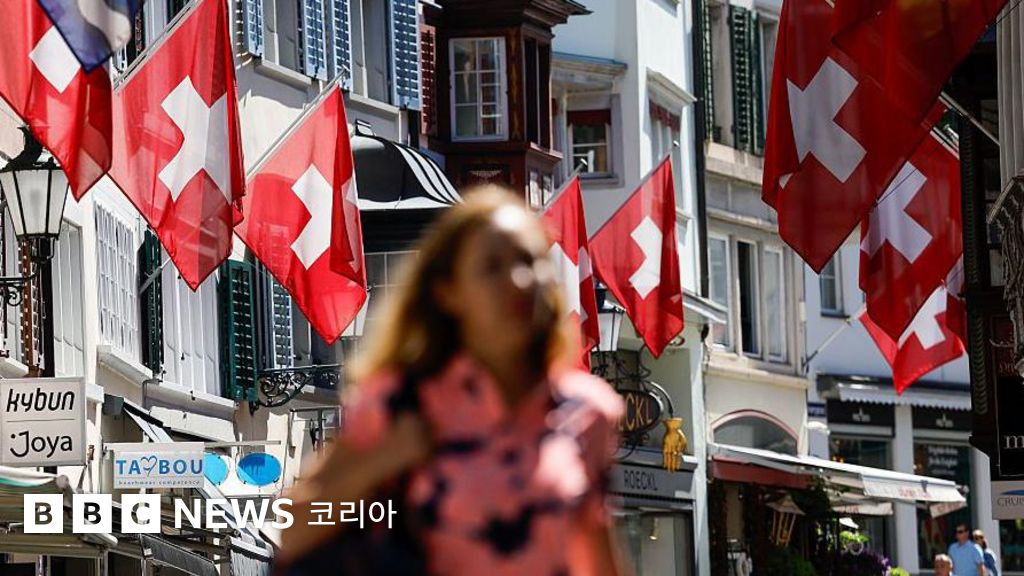
Switzerland is moving toward a potential constitutional amendment that would cap the country’s permanent resident population at 10 million, a proposal currently gaining traction through the Swiss direct democracy system. The initiative, spearheaded by the Swiss People’s Party (SVP), seeks to mandate government intervention in immigration policy once the population threshold is approached, sparking intense national debate regarding economic growth, infrastructure capacity, and the country’s long-standing humanitarian traditions.
According to the official Swiss Federal Chancellery, the popular initiative “For a sustainable, future-oriented Switzerland (10 Million Initiative)” was formally submitted with the required number of signatures in August 2024. The proposal stipulates that if the permanent resident population reaches 9.5 million, the Federal Council must implement measures to limit immigration. If the population hits 10 million, the government would be constitutionally required to terminate international agreements—such as the Agreement on the Free Movement of Persons with the European Union—to restrict further arrivals.
The Mechanics of the 10 Million Initiative
The core objective of the initiative is to link residency rights directly to national population growth statistics. The Swiss Federal Statistical Office (FSO) reported that the country’s permanent resident population surpassed 9 million in 2023, driven largely by net migration. Proponents argue that rapid population expansion strains public services, including housing markets, transportation networks, and the healthcare system, which are currently struggling to keep pace with demand.
Under the terms of the proposal, the Federal Council would be granted the authority to regulate immigration through quotas or the suspension of bilateral treaties if specific thresholds are met. This represents a significant shift from current policies, which prioritize economic integration and labor market needs. The Federal Council has historically maintained that such rigid caps could jeopardize the nation’s economic stability and its relationship with the European Union, which remains Switzerland’s primary trading partner.
Economic and Social Implications
The debate surrounding the cap has polarized the Swiss political landscape. Business associations and industry leaders have expressed concern that limiting the workforce could lead to severe labor shortages, particularly in sectors reliant on foreign expertise, such as pharmaceuticals, technology, and healthcare services. The Swiss economy relies heavily on the free movement of skilled labor to maintain its competitive edge in global markets.

Conversely, supporters of the initiative argue that the quality of life for current residents is being eroded by urban density and rising costs of living. By capping the population, proponents suggest that Switzerland could achieve a more “sustainable” growth model. This perspective resonates with segments of the electorate concerned about the environmental impact of infrastructure development and the dilution of national identity. The tension highlights a broader European discourse regarding how industrialized nations balance demographic shifts with the necessity of maintaining robust social safety nets.
Legislative Path and Public Sentiment
Following the verification of signatures, the initiative must now undergo the standard parliamentary review process. The Federal Council will draft a counter-proposal or a recommendation for the public vote. Historically, popular initiatives in Switzerland face a rigorous vetting process, often resulting in complex political compromises before reaching a national referendum.

Data from recent gfs.bern polling indicates that while there is significant support for managing immigration, the public remains divided on the specific mechanism of an absolute population cap. The final decision rests with the Swiss electorate, who will likely be called to the polls to decide on the constitutional amendment in the coming years. The outcome of this vote will define the trajectory of Swiss foreign policy and its interaction with the European single market for the foreseeable future.
Official timelines for the parliamentary debate have not yet been finalized by the Federal Assembly. Readers can monitor the progress of the initiative and access the full text of the proposal through the Swiss Parliament’s official portal. Public comments and further analysis regarding the economic impact assessments are expected to be released as the referendum date approaches.