
Modern gravel and road cycling technology has reached a point where 12 speeds are increasingly viewed as the optimal balance between mechanical simplicity and gear range. As the industry moves toward refined electronic shifting ecosystems, riders are finding that the complexity of older, multi-ring drivetrains is often unnecessary for diverse terrain. According to technical specifications provided by Shimano, the current GRX 12-speed platform is specifically engineered to handle the varied demands of gravel racing and adventure riding without the weight penalty of additional hardware.
The shift toward 12-speed systems reflects a broader trend in cycling components: maximizing efficiency through integration. By narrowing the gaps between gears, manufacturers allow riders to maintain a more consistent cadence, which is essential for preserving energy during long-distance gravel events. This technical shift is supported by the Union Cycliste Internationale (UCI), which maintains stringent regulations regarding equipment standards to ensure fair competition across professional disciplines, including the size of electronic displays and the configuration of clothing pockets during sanctioned events.
The Evolution of 12-Speed Drivetrains
For years, the debate surrounding drivetrain efficiency focused on the number of sprockets available on the cassette. While 11-speed systems were long considered the industry standard, the introduction of 12-speed technology has provided a more versatile range for mixed-surface riding. This evolution is not merely about adding a gear; it is about the refinement of shifting logic. Shimano’s Di2 electronic shifting, for instance, allows for precise motor-driven gear changes that minimize the risk of chain drops in high-torque situations, such as steep, loose climbs often encountered in gravel races.
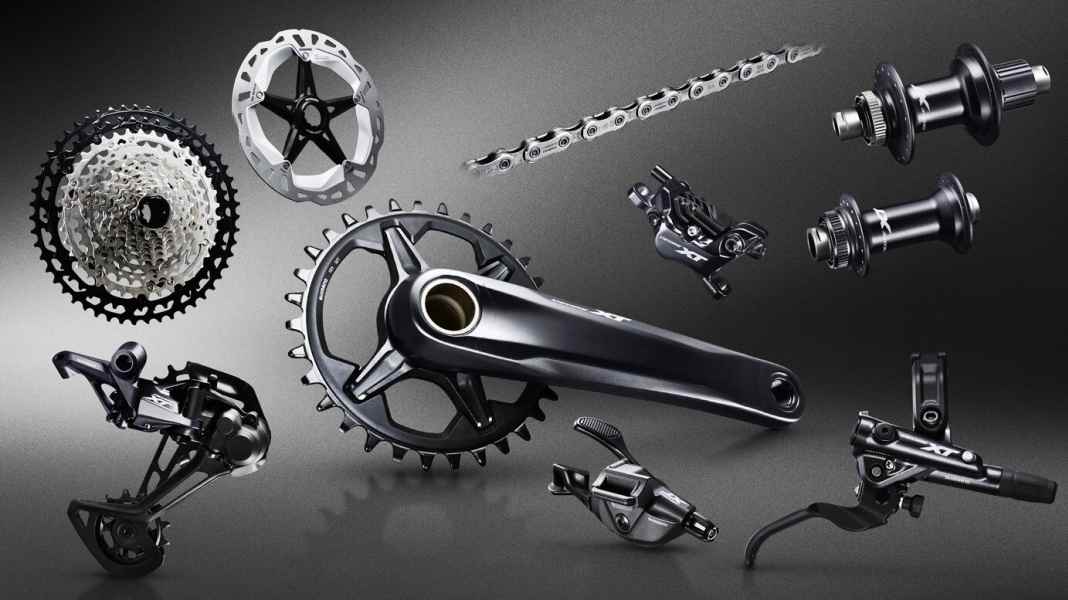
The move to 12 speeds also simplifies the user experience. By eliminating the front derailleur in many “mullet” or 1x configurations, riders reduce the potential for mechanical failure and weight. According to data from BikeRadar, the removal of the front derailleur improves mud clearance and simplifies maintenance, which remains a primary concern for participants in endurance events where bike wash lines are often long and conditions are unpredictable.
UCI Regulations and Competitive Standards
As technology advances, so too does the regulatory oversight provided by the UCI. Recent updates to equipment rules have tightened restrictions on items that could influence aerodynamics or provide an unfair advantage. This includes strict enforcement regarding jersey pocket dimensions and the physical size of head-unit screens mounted on handlebars. The UCI’s commitment to these standards, detailed in their General Organization of Cycling regulations, aims to maintain the integrity of the sport as professional gravel racing gains global popularity.
These regulations impact how teams and individual riders prepare for major events. If a rider arrives at a start line with a screen that exceeds the permitted dimensions or jersey pockets that are deemed to be aero-aiding, they risk sanctions or disqualification. This level of policing ensures that the focus remains on athletic performance rather than technological “doping” via accessories. The balance between allowing innovation and preventing equipment-based advantages remains a central challenge for the UCI as they update their technical manuals annually.
Practical Considerations for Gravel Riders
Choosing a 12-speed system is a decision based on both performance and reliability. For the average gravel enthusiast, the primary advantage is the ability to maintain a steady effort across varied terrain. When selecting a drivetrain, riders should consider the specific gear ratios offered by their chosen manufacturer, as these can vary significantly between road-focused and gravel-specific groupsets. The Cyclingnews guide to gravel drivetrains highlights that the jump from 11 to 12 speeds provides a more granular selection of gears, which is particularly beneficial when fatigue sets in during the final hours of a ride.

Maintenance is another critical factor. Electronic shifting requires periodic firmware updates and battery management. Riders should ensure they have access to the manufacturer’s diagnostic tools, such as the E-TUBE Project app, to monitor battery health and customize shifting behavior. By staying on top of these digital requirements, riders can avoid mid-ride failures and ensure their equipment performs as intended throughout the season.
Future Outlook for Off-Road Tech
The integration of digital technology into mechanical components is likely to continue. As sensors become smaller and more affordable, we may see further improvements in how drivetrains communicate with head units and power meters. The next major checkpoint for these regulations will occur during the upcoming UCI technical committee meetings, where further refinements to equipment rules are expected to be discussed. Riders looking to stay competitive should monitor the official UCI news portal for updates on equipment legality before the start of the next race season.
Whether you are a professional racer or a weekend enthusiast, the current state of 12-speed technology offers a level of refinement that was previously unavailable. By focusing on the essentials—reliable shifting, appropriate gearing, and regulatory compliance—riders can get the most out of their equipment. Please share your thoughts on the transition to 12-speed systems or your experiences with modern electronic shifting in the comments section below.
Worth a look