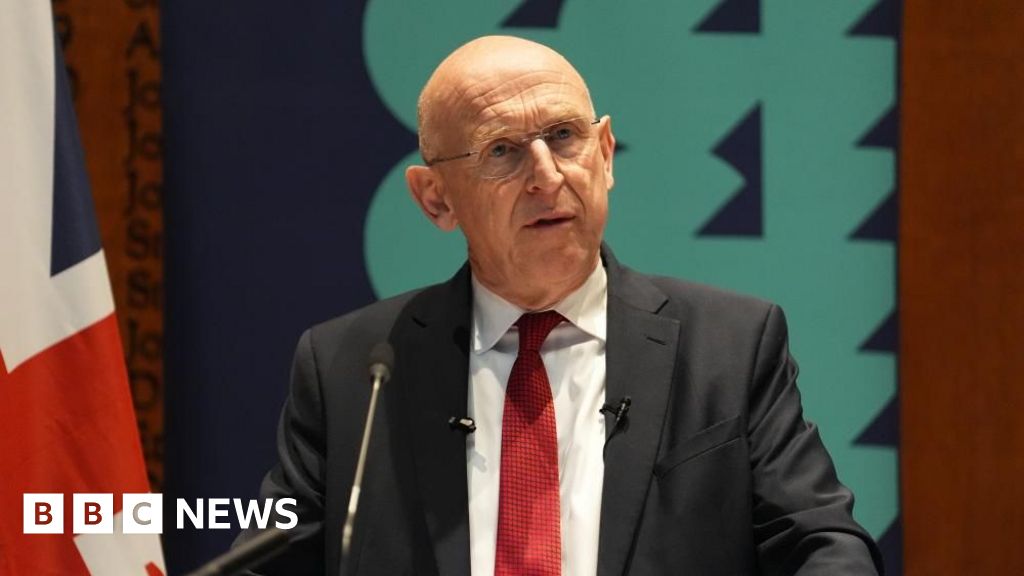
Former UK Defence Secretary Denis Healey proposed the establishment of a global defence bank to streamline international military procurement and stabilize armament funding, according to historical accounts from his political associates. These allies allege that the Treasury, then under different leadership, actively obstructed the initiative, citing concerns over fiscal oversight and the potential for a loss of national control over defence spending budgets.
The proposal, which emerged during a period of significant shifts in British foreign policy and military industrial strategy, represents a long-standing debate regarding how sovereign states manage the high costs of defence manufacturing. While the plan did not come to fruition, the internal friction between the Ministry of Defence and the Treasury highlights a recurring tension in Whitehall: the balance between strategic military necessity and rigid economic containment.
The Origins of the Defence Bank Proposal
Denis Healey, who served as Secretary of State for Defence from 1964 to 1970, was known for his pragmatic approach to the “East of Suez” withdrawal and his efforts to rationalize the British military industrial base. According to accounts provided by former aides, Healey viewed a global defence bank as a mechanism to provide credit and financial stability for collaborative international projects. This approach was intended to allow nations to pool resources for expensive, long-term research and development, effectively mitigating the financial risks associated with large-scale military procurement.
The concept was rooted in the economic climate of the late 1960s, a time when the UK faced severe balance-of-payments crises and mounting pressure to reduce overseas commitments. As documented by the National Archives, the Treasury maintained a strict mandate to prioritize the reduction of government expenditure, often clashing with departmental ministers who sought to protect their specific budgets through innovative, albeit complex, financing structures.
Treasury Opposition and Institutional Friction
Allies of the former defence secretary claim that the Treasury viewed the proposed institution as a threat to its authority over the national purse. The core of the Treasury’s resistance, as reported by political historians, centered on the fear that a dedicated defence bank would operate outside the traditional confines of the HM Treasury’s annual budget cycle. Such a structure would have effectively ring-fenced funds for military purposes, limiting the ability of the Chancellor of the Exchequer to reallocate resources during times of economic volatility.
Furthermore, internal records suggest that officials were concerned about the implications of internationalizing military financing. By involving multiple nations, the Treasury feared the UK would lose its ability to unilaterally veto or adjust spending on specific weapons programmes if the project became entangled in the financial obligations of a multinational entity. This institutional skepticism effectively stalled the proposal, preventing it from reaching the stage of formal legislative drafting or international negotiation.
Historical Context and Modern Relevance
The debate surrounding Healey’s vision for a defence bank predates current discussions regarding European and global military integration. In recent years, the European Investment Bank has faced similar questions regarding its role in financing security and defence initiatives. Unlike Healey’s proposed model, which focused on a specific, global-facing institution, modern debates often center on whether existing multinational development banks should expand their mandates to include military-industrial support.
For modern policymakers, the failure of the Healey-era proposal serves as a case study in the difficulty of aligning fiscal policy with grand strategic objectives. The tension remains unchanged: while defence ministries often seek flexible, multi-year financial mechanisms to support the long lead times inherent in military hardware production, finance ministries remain committed to the principle of annual parliamentary control and the avoidance of off-balance-sheet liabilities.
Questions on Governance and Fiscal Control
The primary hurdle for any such institution is the governance of risk. If a defence bank were to provide credit for international procurement, it would require significant capitalization and a robust framework for managing default risk among participating nations. Critics of the original proposal noted that without a clear mechanism for state-backed guarantees, the bank would have struggled to secure the necessary credit ratings to operate effectively on global financial markets.
Official records from the UK Parliament underscore that any project of this nature would have required significant primary legislation to establish, a process that would have necessitated a high degree of cross-departmental consensus. Given the political climate of the late 1960s, where the government was focused on stabilizing the pound and managing the transition of the British armed forces, the political capital required to force through a new financial institution was likely unavailable.
Looking Ahead
There are no current plans to revisit the specific proposal of a “global defence bank” within the UK government. However, as nations continue to seek ways to increase defence spending without breaking fiscal rules, the themes raised by Healey’s initiative—multinational cooperation, creative financing, and the role of central oversight—remain central to the discourse. The next official update regarding UK defence procurement policy is expected in the upcoming Strategic Defence Review, which will outline the government’s approach to modernizing the military industrial base.
Readers interested in the history of British defence policy and the evolution of the UK’s industrial strategy are encouraged to monitor future Parliamentary debates and official government publications. We welcome your thoughts on whether multinational financial institutions could play a role in modern security; please share your comments and perspectives below.
Keep reading