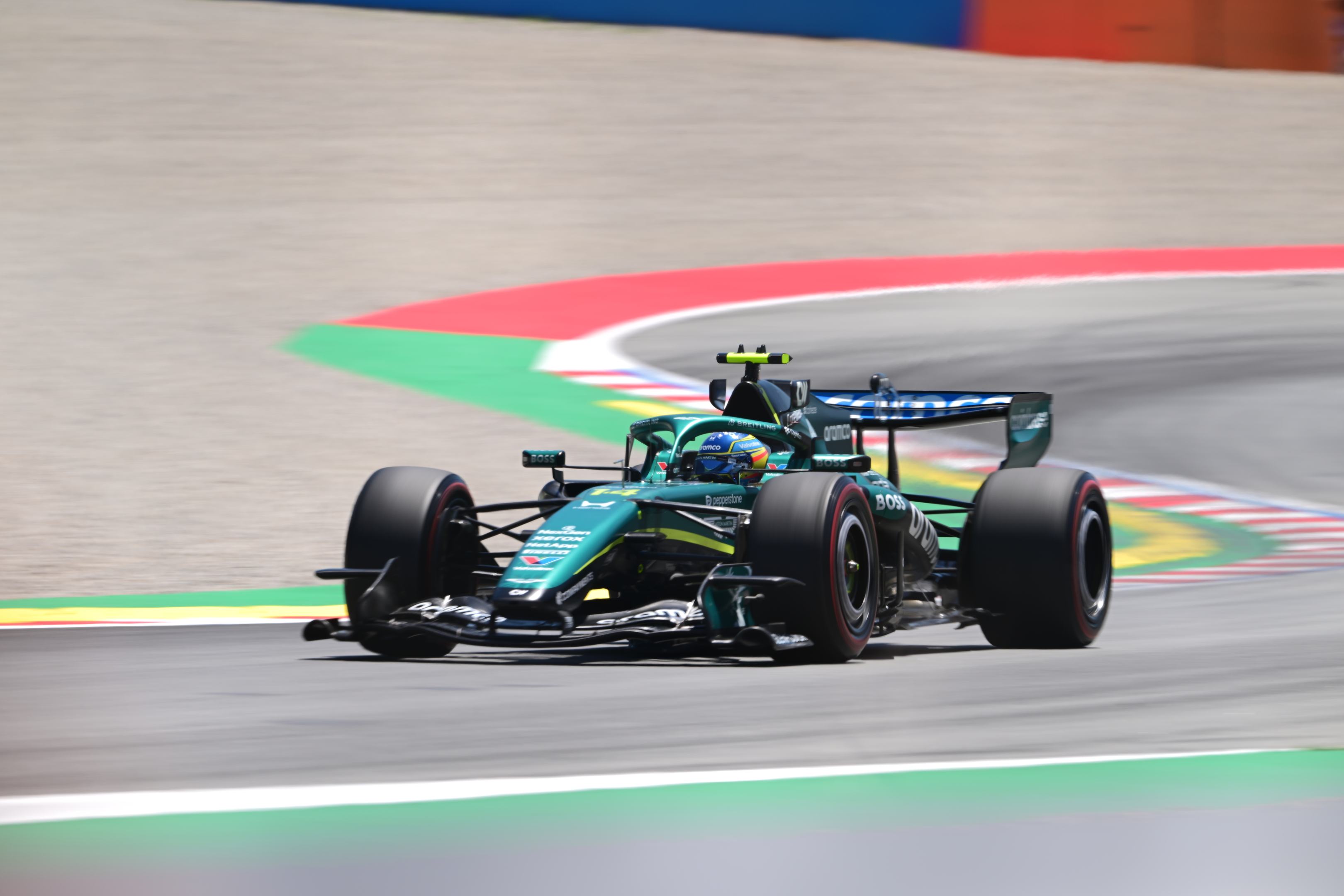
Speculation regarding Fernando Alonso’s retirement from Formula 1 has intensified following reports suggesting the veteran driver may consider his future in the sport around the time of the Spanish Grand Prix in Barcelona. While Aston Martin has not issued an official statement confirming a departure, recent discussions regarding Alonso’s longevity and his upcoming race schedule have fueled debate among industry analysts and the global racing community.
The two-time World Champion, currently competing for the Aston Martin Aramco F1 Team, has long been a subject of interest regarding his career trajectory. The recent rumors center on whether the 43-year-old Spaniard will continue to compete through the upcoming regulatory shifts in the sport, or if his tenure in the cockpit will conclude sooner than many expected.
What has Fernando Alonso said about his F1 future?
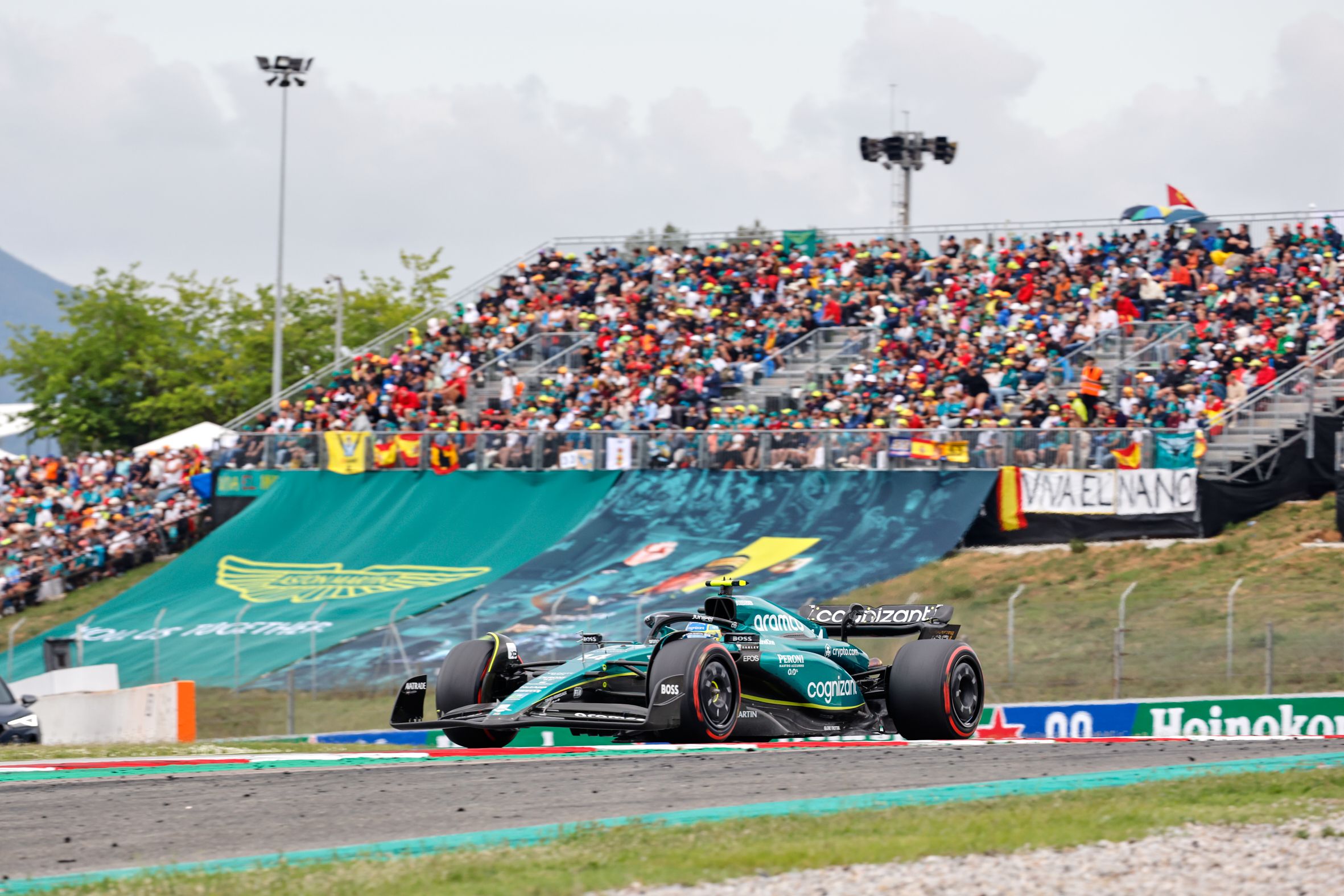
Recent reports have highlighted comments suggesting that the Spanish Grand Prix at the Circuit de Barcelona-Catalunya could serve as a significant milestone for the driver. While Alonso has not formally announced his retirement, his ambiguous phrasing regarding his presence in Barcelona has led to widespread speculation that the race could represent a turning point in his professional career.

Throughout the 2024 season, Alonso has maintained a stance of competitive readiness, frequently stating his desire to race as long as the machinery allows him to compete at the front of the grid. However, the intersection of his personal career goals and the technical evolution of Formula 1 has created a period of uncertainty. Analysts note that for a driver of Alonso’s experience, the decision to continue often hinges on the immediate performance potential of his current team.
At present, Aston Martin remains focused on their technical development program. The team has not commented on the rumors of Alonso’s potential exit, maintaining their standard protocol of focusing on race weekend preparations and aerodynamic upgrades. The ambiguity surrounding his statements is consistent with Alonso’s historical approach to media engagements, where he often provides nuanced answers regarding his long-term intentions.
How will Aston Martin and Adrian Newey influence Alonso’s decision?
A critical factor in determining Alonso’s future is the strategic direction of the Aston Martin Aramco F1 Team. The team has made significant high-profile signings to bolster its technical department, most notably the recruitment of legendary designer Adrian Newey. Newey, widely regarded as one of the most successful engineers in the history of the sport, is expected to play a central role in shaping the team’s car design for the upcoming seasons.
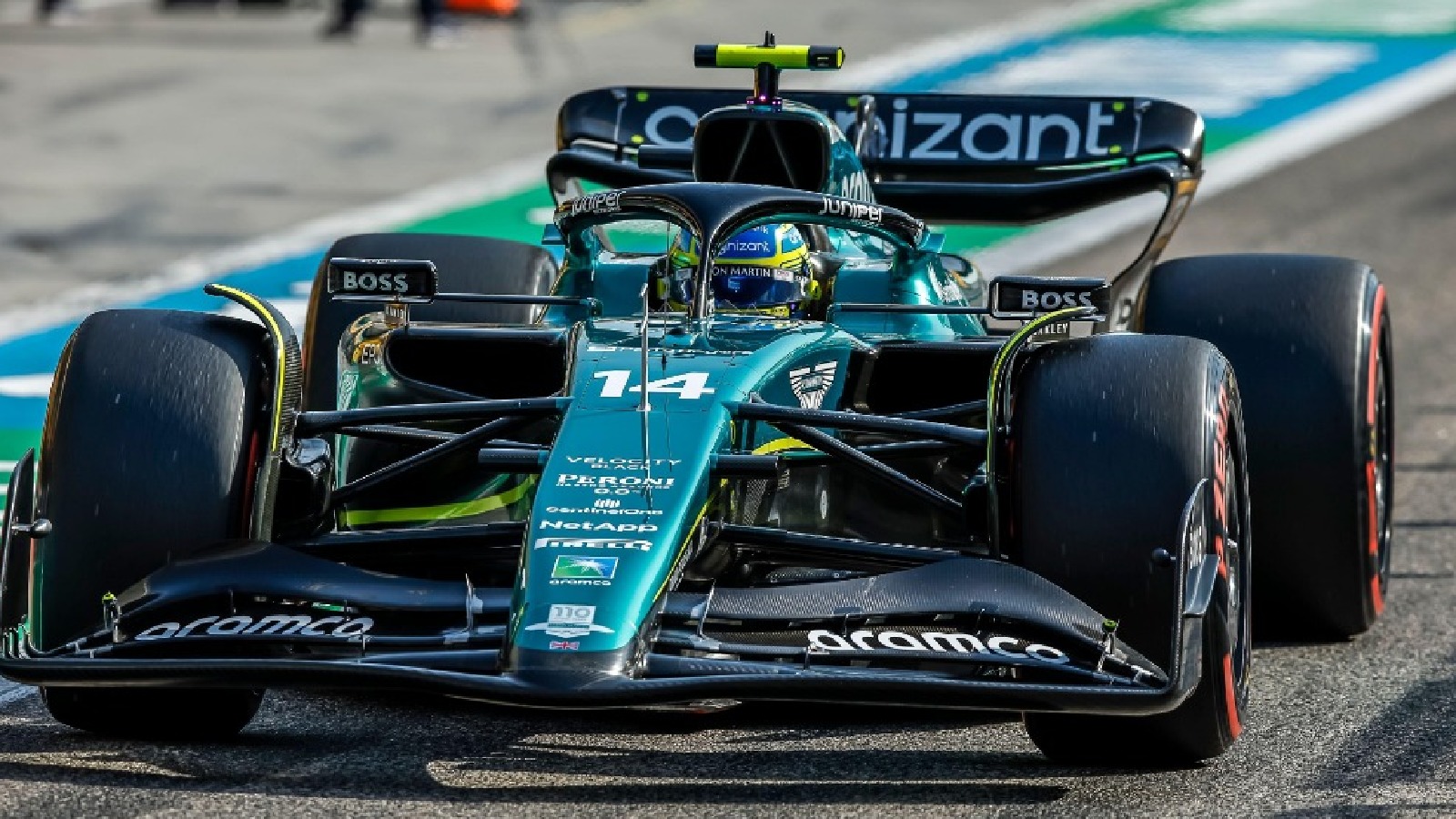
The arrival of Newey is viewed by many in the paddock as a major signal of Aston Martin’s intent to move from a midfield contender to a championship-winning outfit. For Alonso, the technical roadmap provided by Newey may be the deciding factor in whether he commits to a long-term contract. If the team can demonstrate a clear path to podiums and wins under Newey’s guidance, the incentive for Alonso to remain in the sport increases significantly.
The relationship between driver and designer is a cornerstone of Formula 1 success. By securing Newey, Aston Martin is attempting to build an environment that appeals to elite talent. This development creates a direct link between the team’s technical upgrades and Alonso’s personal decision-making process regarding his retirement timeline.
Why do the 2026 Formula 1 regulations matter for veteran drivers?
The looming introduction of new technical regulations in 2026 represents a fundamental shift for every driver on the grid. These regulations will introduce new power unit specifications and chassis designs, effectively resetting the competitive landscape. For veteran drivers like Alonso, this transition period presents a unique dilemma: whether to adapt to a completely new era of racing or to retire before the cycle begins.
The 2026 rules are designed to increase electrification and improve sustainability, which will require a different driving style and a different approach to car setup. Drivers nearing the end of their careers often face the choice of committing to a multi-year development cycle for these new cars or exiting the sport while they are still competitive in the current era. This technical pivot is a recurring theme in the careers of long-standing champions who must weigh physical longevity against the demands of evolving technology.
The decision is not merely personal but also institutional. Teams must decide whether to build their 2026 programs around established legends or younger, more adaptable talent. This tension between experience and future-proofing is currently playing out in the boardrooms of several major Formula 1 constructors.
Comparing Alonso’s career longevity with modern F1 trends
Fernando Alonso’s career has been characterized by an unprecedented level of longevity, a trait that contrasts sharply with many of his contemporaries. While many drivers retire in their mid-30s, Alonso has continued to secure podiums and competitive results well into his 40s. This endurance has made him a statistical outlier in the modern era of highly specialized athletic training and rigorous racing schedules.
The following table outlines the different factors influencing driver longevity in the current era:
| Factor | Impact on Veteran Drivers | Impact on Emerging Talent |
|---|---|---|
| Technical Regulation Changes | Requires significant adaptation and risk of being “left behind.” | Provides a “clean slate” to establish dominance. |
| Physical Demands | Increased focus on specialized longevity training. | Natural peak athletic performance. |
| Team Stability | Dependence on technical leadership (e.g., Newey). | Ability to move between teams for better seats. |
| Commercial Value | High value due to experience and global brand. | High value due to long-term potential. |
Alonso’s ability to remain relevant in a sport that is constantly changing is a testament to his adaptability. However, the combination of the 2026 regulations and the specific performance trajectory of Aston Martin creates a convergence of variables that could ultimately dictate his final season.
As the Formula 1 calendar progresses toward the Spanish Grand Prix, the paddock will be closely monitoring Alonso’s interactions with his team and his responses to technical developments. Whether Barcelona serves as a farewell or simply another chapter in a record-breaking career remains to be seen.
Next Scheduled Update: Official team statements regarding driver lineups for the 2025 and 2026 seasons are expected to emerge during the upcoming driver market window. Watch for formal announcements from the Aston Martin Aramco F1 Team.
What are your thoughts on Alonso’s potential retirement? Do you think the 2026 regulations will keep him on the grid? Share your comments below and share this article with your fellow racing fans.
Worth a look