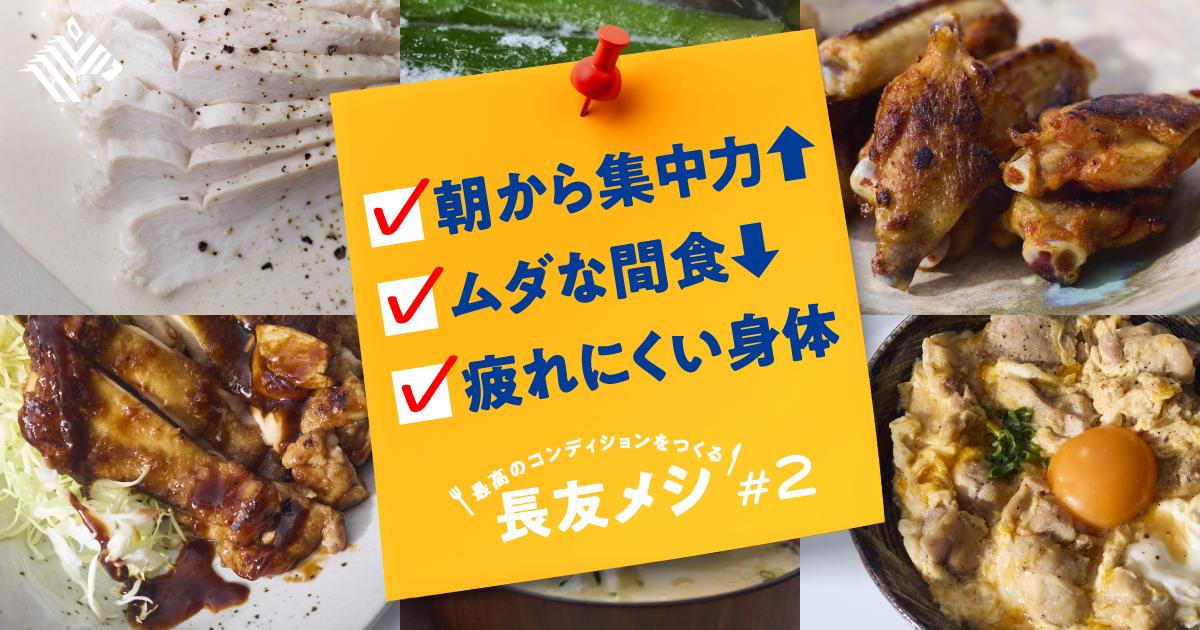
Chef Kato, the personal chef for Japanese professional footballer Yuto Nagatomo, has introduced high-protein chicken recipes designed to support elite athletic performance and muscle recovery. These recipes emphasize protein density and dietary versatility, providing a practical framework for athletes looking to maintain lean muscle mass and energy levels through consistent, nutrient-dense meal preparation.
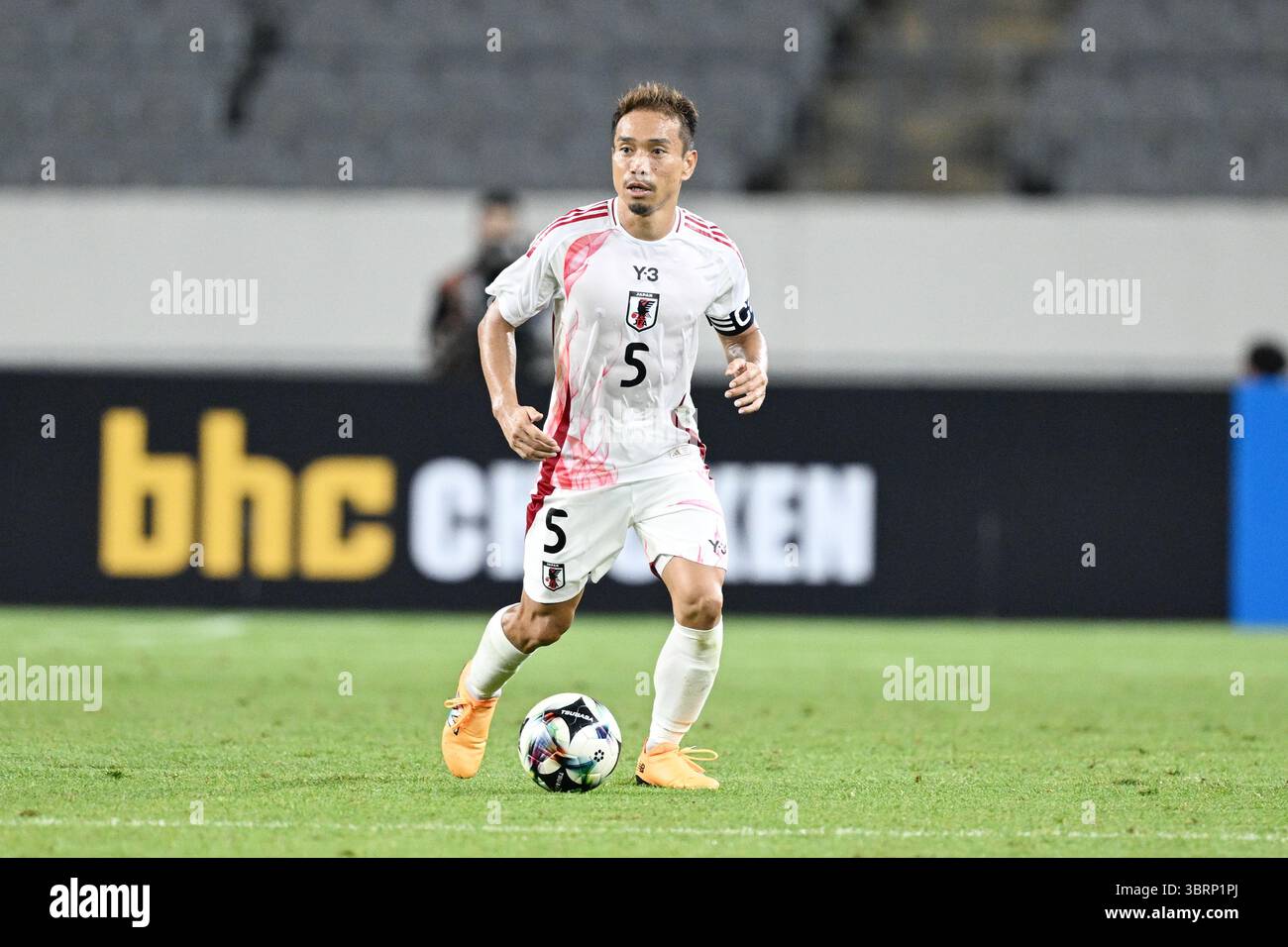
The dietary focus comes as professional athletes increasingly prioritize tailored nutrition to extend their career longevity. For Yuto Nagatomo, a veteran defender currently playing for FC Tokyo, nutrition is a cornerstone of his ability to compete at a high level in the J1 League. Nagatomo, who gained international recognition during his tenure with Italian club Inter Milan, has long relied on specific nutritional protocols to manage the physical demands of professional football.
According to recent culinary demonstrations by Chef Kato, while fish has historically been a staple in Nagatomo’s diet, the transition toward high-protein chicken recipes offers significant advantages for athletes traveling or competing in diverse environments. The chef noted that poultry serves as a highly versatile protein source that faces fewer dietary or religious restrictions compared to other meats, making it a reliable staple for professional players operating on a global scale.
The nutritional strategy behind Yuto Nagatomo’s diet
For a professional footballer, nutrition is not merely about calorie intake; it is about the timing and composition of macronutrients to facilitate recovery. Nagatomo’s career, which spans well over a decade of top-flight football, serves as a case study in the importance of sustained nutritional discipline. High-protein diets are essential for repairing the micro-tears in muscle tissue that occur during intense training and match play.

Chef Kato’s approach centers on making these high-protein requirements palatable and sustainable. By utilizing chicken, a lean protein source, the chef can control fat content while maximizing the amino acid profile necessary for muscle synthesis. This method aligns with standard sports nutrition practices used by elite clubs to ensure players maintain optimal power-to-weight ratios.
The emphasis on chicken also addresses the logistical challenges of an athlete’s lifestyle. As Nagatomo has traveled extensively throughout his career, particularly during his years in Europe, the ability to rely on widely available, high-quality protein sources is a strategic advantage. Chef Kato highlighted that chicken’s broad acceptance across various cultures simplifies meal planning during international travel and away matches.
Chef Kato’s culinary approach to athlete longevity
Chef Kato’s expertise extends beyond simple cooking; it involves managing the complex dietary needs of a high-performance individual. The chef’s experience traveling globally has provided a unique perspective on how to balance nutritional requirements with the practicalities of different food environments. This includes navigating the various dietary restrictions that can arise in different parts of the world.

The focus on “high-protein chicken recipes” is a response to the need for efficiency. For an athlete, meal prep must be both nutrient-dense and easy to consume. Kato’s recipes aim to bridge the gap between “functional” food—food eaten strictly for its biological benefits—and “culinary” food that provides satisfaction. This balance is critical for preventing “dietary fatigue,” a common issue where athletes struggle to stick to strict regimens due to lack of variety or flavor.
By teaching these recipes, Kato is providing a blueprint for how professional-grade nutrition can be applied to a broader audience. The core principles—prioritizing lean protein, managing preparation for ease of use, and ensuring dietary flexibility—are applicable to anyone seeking to improve their physical conditioning through diet.
Comparing protein sources: Fish vs. poultry in sports nutrition
The distinction between Nagatomo’s preference for fish and the chef’s introduction of chicken recipes highlights a strategic choice in modern athletic nutrition. While both are excellent protein sources, they serve different roles in a comprehensive diet plan.
| Feature | Fish (Nagatomo’s Staple) | Chicken (Kato’s Recipe Focus) |
|---|---|---|
| Primary Benefit | High in Omega-3 fatty acids for inflammation reduction. | High protein-to-fat ratio for lean muscle support. |
| Dietary Versatility | Can be subject to specific religious or cultural preferences. | Widely accepted with minimal religious/cultural restrictions. |
| Preparation Style | Often requires delicate temperature control to maintain texture. | Highly durable for meal prepping and reheating. |
| Global Availability | Varies significantly by region and season. | Consistently available in almost all global markets. |
As the table illustrates, the choice between fish and chicken is often a balance of specific micronutrient needs versus practical dietary management. Fish provides essential fats that aid in cardiovascular health and reduce systemic inflammation, which is vital for a player like Nagatomo who faces constant physical impact. However, chicken offers a more stable and versatile platform for daily protein intake, especially when managing the logistical complexities of a professional sports schedule.
Practical applications for high-protein meal preparation
To implement the principles shared by Chef Kato, individuals should focus on three key areas of meal preparation: protein density, preparation efficiency, and dietary adaptability. For those looking to mirror the nutritional discipline of an athlete like Nagatomo, the following guidelines are essential:
- Prioritize Lean Protein: Focus on sources such as chicken breast, turkey, or white fish to ensure high protein intake without excessive caloric load from fats.
- Batch Cooking: Prepare protein sources in large quantities to ensure that high-quality meals are readily available, reducing the temptation to rely on processed convenience foods.
- Seasoning for Longevity: Use varied spices and herbs rather than heavy sauces to maintain flavor without adding unnecessary sugars or unhealthy fats.
- Nutrient Timing: Aim to consume protein-rich meals within a window that supports muscle recovery following physical exertion.
These methods move beyond simple dieting and into the realm of “performance nutrition,” where every meal is viewed as a tool for physical maintenance and improvement.
Key Takeaways for Athlete-Style Nutrition
- Versatility is Key: Using ingredients like chicken allows for easier navigation of different dietary environments and religious constraints.
- Protein for Recovery: High-protein intake is non-negotiable for repairing muscle tissue and maintaining strength in high-impact sports.
- Strategic Variety: Balancing staples like fish (for healthy fats) with chicken (for lean protein) creates a more sustainable and complete nutritional profile.
- Professional Standards: Following the methods of personal chefs like Kato can help bridge the gap between standard eating and performance-oriented nutrition.
Updates regarding the professional schedules and nutritional protocols of FC Tokyo players are typically released through official club communications and player media channels. For further insights into professional athletic training and diet, follow official sports science updates from major footballing bodies.
What are your thoughts on using professional athlete recipes for your own fitness goals? Share your experience in the comments below and share this article with your training partners.
Related reading