
China has significantly increased its trade presence in Argentina, narrowing the gap with Brazil as the South American nation’s primary commercial partner. According to recent data from the National Institute of Statistics and Censuses (INDEC), the diversification of Argentine export destinations has shifted the traditional reliance on Mercosur partners, placing Beijing as a central pillar in the country’s foreign trade strategy.
This shift in the trade balance reflects broader geopolitical trends in South America, where Chinese demand for commodities—primarily soy, meat, and minerals—has sustained consistent growth over the last decade. While Brazil remains Argentina’s top destination for manufactured goods, particularly in the automotive sector, China’s role as a buyer of raw materials has reached a scale that increasingly rivals the historical dominance of regional trade agreements.
Shifting Trade Dynamics: China vs. Brazil
The intensifying competition between China and Brazil for the Argentine market is driven by distinct economic incentives. Brazil, a partner within the Mercosur trade bloc, benefits from duty-free access for many industrial products, which has long solidified its position as the leading destination for Argentine manufactured exports. However, China’s consistent appetite for agro-industrial commodities has allowed it to secure a massive share of total export volume.
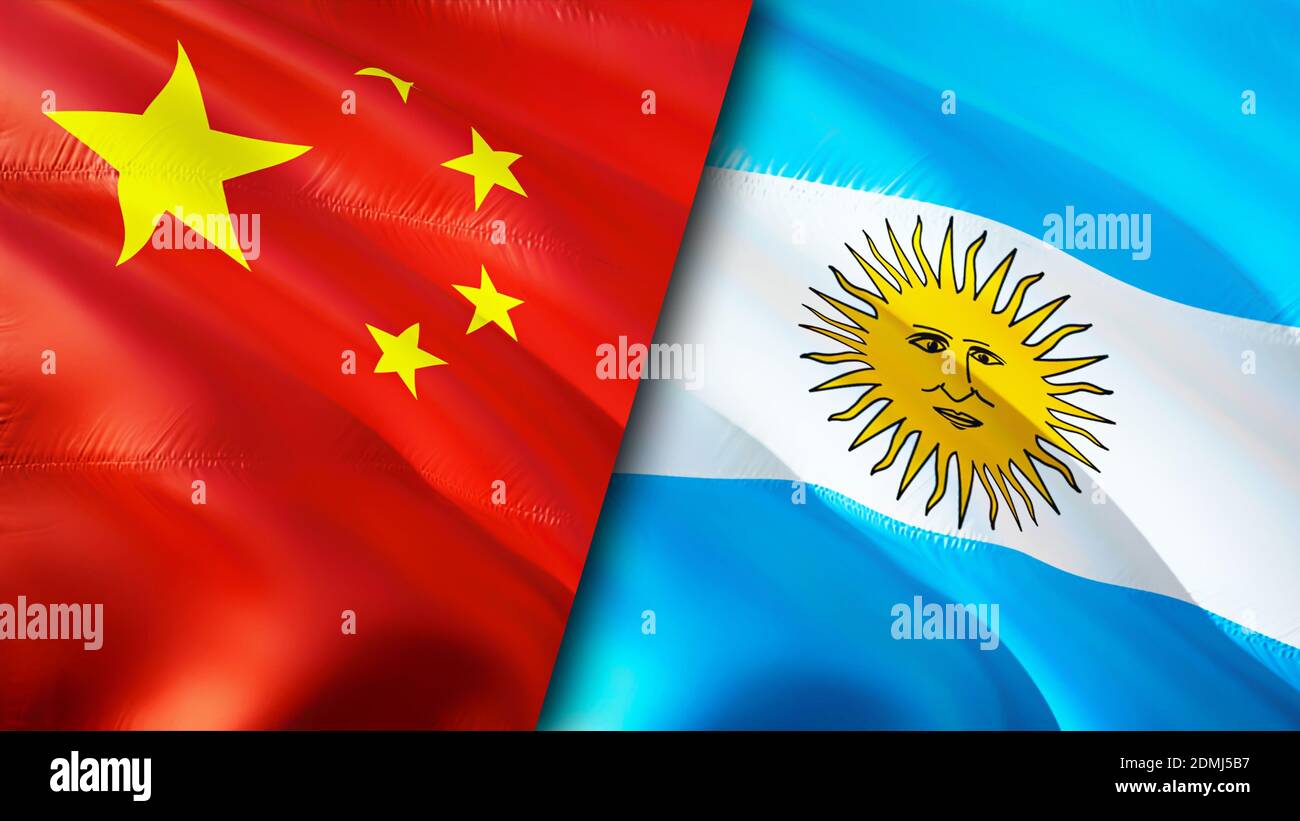
According to the Ministry of Foreign Affairs, International Trade and Worship, the trade relationship with China is characterized by high-volume commodity shipments, whereas trade with Brazil is more integrated into regional supply chains. This structural difference means that while Brazil remains essential for the Argentine manufacturing sector’s stability, China has become the primary driver of foreign currency inflows through the agriculture and energy sectors.
Economic Implications for Argentina
For the Argentine economy, the growth in trade with China presents both opportunities and challenges. The reliance on Chinese demand for commodities exposes the local economy to fluctuations in global raw material prices. Furthermore, the International Monetary Fund (IMF) has noted in its recent country reports that Argentina’s ability to accumulate international reserves is heavily contingent on maintaining stable trade balances with these two major powers.

The expansion of Chinese influence is not limited to trade in goods. Financial cooperation, including the use of currency swap lines, has been a critical tool for the Central Bank of Argentina to manage liquidity. These financial instruments, often negotiated in parallel with trade agreements, demonstrate the multifaceted nature of the Beijing-Buenos Aires relationship, extending beyond simple import-export metrics.
The Role of Infrastructure and Investment
Beyond the trade of goods, infrastructure investment remains a key component of China’s strategy in Argentina. Projects in the energy sector, including hydroelectric dams and potential mining operations for lithium, are designed to facilitate the long-term extraction and export of resources to the Asian market. These investments are often formalized through bilateral agreements that prioritize the development of logistical corridors.
The Secretariat of Mining has highlighted that Chinese capital is increasingly involved in the development of lithium projects in the northern provinces of Argentina. This capital infusion is intended to secure a steady supply chain for electric vehicle battery production, a sector where China currently holds a dominant global position. These long-term projects suggest that the commercial ties between the two nations are likely to deepen regardless of short-term shifts in trade volumes.
Future Outlook and Policy Coordination
Looking ahead, the Argentine government faces the challenge of balancing its commitments to Mercosur while navigating its growing dependence on Chinese capital and demand. Trade officials are currently working on diversifying export baskets to include higher-value-added products, aiming to reduce the vulnerability associated with a commodity-heavy trade profile. The next cycle of bilateral trade negotiations is expected to address these structural imbalances, with a focus on increasing the share of processed goods in exports to the Asian market.

For stakeholders and investors, monitoring the official reports from the National Institute of Statistics and Censuses (INDEC) remains the most reliable method for tracking these developments. Further updates on trade policy and bilateral agreements will be released through the Ministry of Foreign Affairs as the current administration continues its review of international commercial commitments. We invite readers to share their perspectives on the evolution of these global trade patterns in the comments section below.