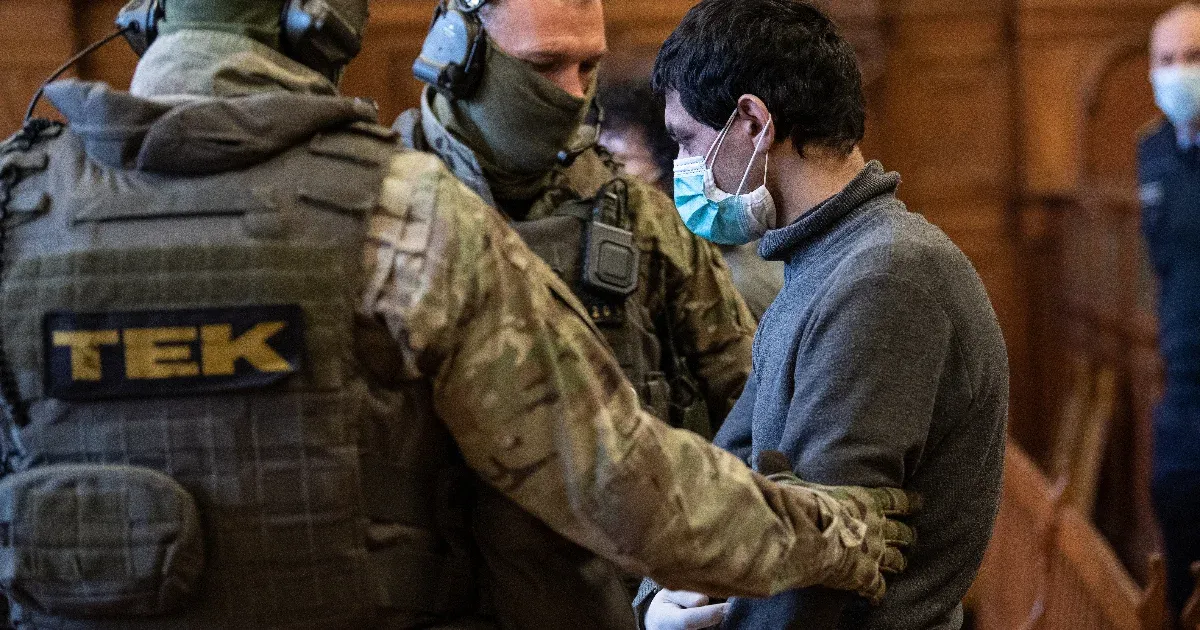
The Hungarian government is reportedly considering a significant reorganization of its internal security architecture, which could involve the partial dismantling of the Counter-Terrorism Centre (TEK) and the restoration of independent status for the National Bureau of Investigation (NNI). These potential changes, currently under discussion within administrative circles, represent a shift in the operational command structure of Hungary’s law enforcement agencies.
The TEK, established in 2010 under the authority of the Ministry of Interior, has long functioned as a centralized elite force for high-stakes operations. According to the Hungarian Ministry of Interior, the agency was designed to consolidate various tactical and intelligence capabilities under one command. However, current discussions suggest a move toward decentralization, aiming to return certain investigative powers to the NNI, which operates under the broader umbrella of the National Police Headquarters (ORFK).
Drivers of Proposed Law Enforcement Changes
Observers of Hungarian interior policy point to a desire for greater investigative autonomy as the primary driver behind the potential separation. The NNI has traditionally handled organized crime and complex criminal investigations. By re-establishing its independence from the centralized TEK-led model, proponents argue that the bureau could regain specialized focus on long-term criminal intelligence rather than remaining secondary to tactical counter-terrorism priorities.
This structural debate is not isolated. Legislative updates regarding the Hungarian Police Act frequently involve adjustments to how specialized units interact. The current administrative discourse reflects a broader effort to streamline the hierarchy of the Hungarian police force, ensuring that tactical interventions—the hallmark of the TEK—are clearly distinguished from the investigative work required to dismantle criminal syndicates.
Impact on Operational Autonomy
If enacted, the reorganization would likely force a re-evaluation of how intelligence is shared between tactical teams and investigative detectives. Historically, the integration of these units under the TEK was intended to reduce bureaucratic friction during time-sensitive operations. Critics of the current model, however, have argued that centralization often led to a “silo effect,” where intelligence gathered by specialized units was not adequately integrated into the broader criminal investigation pipeline.
Restoring the National Bureau of Investigation as a distinct entity would align its operational structure more closely with European law enforcement standards, where specialized investigative bureaus often maintain operational independence from rapid-response tactical units. The National Police Headquarters (ORFK) remains the primary governing body for such transitions, and any formal change would require an amendment to current ministerial decrees governing the distribution of tasks among security organs.
Institutional Context and Historical Precedent
The TEK was formed during a period of significant reform in the Hungarian security sector. Its creation effectively merged the functions of various police units into a singular, highly-funded entity. Throughout its existence, the agency has faced scrutiny over its mandate and the breadth of its authority, particularly regarding its access to sensitive intelligence data.
The potential return of the NNI to a more autonomous role follows a pattern of “pendulum shifts” in Hungarian public administration. When the NNI previously operated with greater independence, its mandate was strictly focused on high-level criminality, including human trafficking, drug trade, and international organized crime. Moving these functions back to a standalone bureau is viewed by some policy analysts as a return to traditional police management, prioritizing long-term case building over short-term tactical success.
Next Steps for Security Reform
While the internal reorganization remains in the planning phase, formal announcements are expected to follow the standard legislative process for administrative restructuring. Any modifications to the operational status of the TEK or the NNI will be published in the Magyar Közlöny (Official Gazette) once the Minister of Interior finalizes the structural adjustments. Citizens and legal observers are monitoring these developments, as they will determine the future distribution of resources and command responsibility within the Hungarian security apparatus.
.svg/960px-National_Bureau_of_Investigation_(NBI).svg.png "Next Steps for Security Reform")
This remains a developing situation. Further details regarding the timeline for these changes are expected to emerge during upcoming parliamentary committee sessions on national security. We will continue to track official government announcements and provide updates as they are verified through the Ministry of Interior’s public notices. We encourage readers to share their thoughts and follow our reporting for further developments on this policy shift.
Related reading