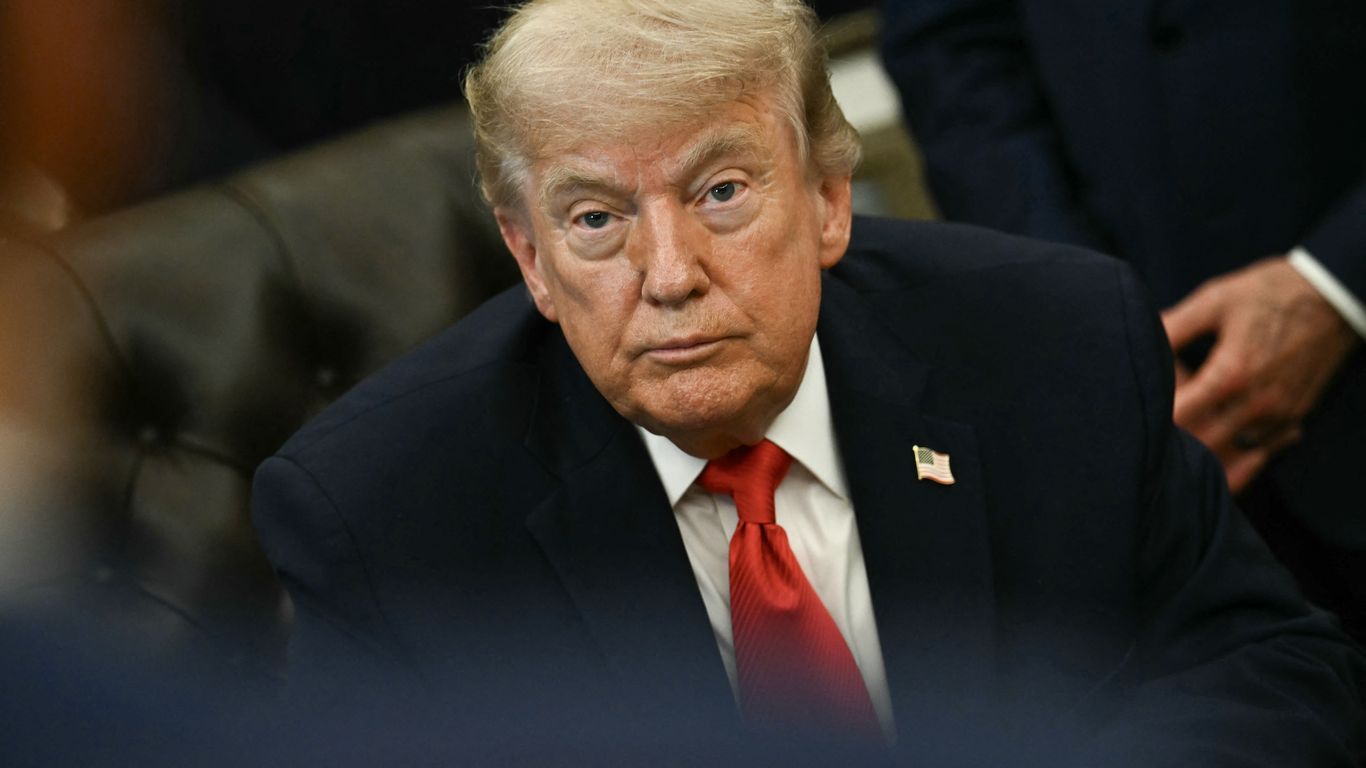
President-elect Donald Trump continues to pursue a deal aimed at ending the ongoing conflict between the United States and Iran, maintaining that the agreement remains on track despite a recent Israeli military strike in Beirut. The diplomatic effort faces significant volatility following the escalation in Lebanon, which occurred only hours before the anticipated signing of the accord. According to reports, the president-elect has characterized the timing of the Israeli strike as a disruption to the diplomatic timeline, while simultaneously asserting that the proposed agreement—which includes provisions for nuclear material disposal and international inspections—remains essential for regional security.
The situation remains highly fluid as both sides navigate the impact of the Beirut strike. While the president-elect has publicly criticized the timing of the Israeli military action, official confirmation from Iranian authorities regarding the status of the signing remains pending. Ebrahim Azizi, chair of the Iranian parliament’s national security committee, indicated on X that a formal response to recent events is forthcoming, signaling potential instability in the negotiation process.
Diplomatic Pressure and the Beirut Strike
The U.S.–Iran deal, which aims to address nuclear proliferation and de-escalate military tensions, encountered a sudden hurdle following reports of an Israeli strike in Beirut. The president-elect stated in a phone call that the incident necessitated a delay of several hours in the signing process. The strike, which targeted areas associated with Hezbollah, occurred despite the proximity of the scheduled diplomatic agreement, raising questions about the coordination between regional allies and the incoming administration.

In his assessment of the events, the president-elect noted that while Hezbollah had initiated actions against Israel, those maneuvers did not result in casualties or significant infrastructure damage. This perspective highlights the friction between the incoming U.S. administration and the Israeli government regarding the management of regional security threats. The president-elect’s comments, which included sharp criticism of Israeli Prime Minister Benjamin Netanyahu’s judgment, underscore the intensity of the behind-the-scenes pressure being applied to keep the Iran deal viable.
The Scope of the Proposed Iran Agreement
The framework of the deal being brokered by the president-elect is centered on preventing Iran from achieving nuclear weapons capability. According to the stated objectives, the agreement requires the disposal of existing nuclear material and mandates that Iran submit to snap inspections of its nuclear facilities by international monitors. These measures are designed to provide transparency and ensure that the country’s nuclear program remains strictly for non-military purposes.
From the perspective of the incoming administration, this deal is framed as a strategic benefit for Israel, arguing that a verified, inspected Iranian nuclear program is preferable to the risks of an unconstrained regional arms race. However, the success of this initiative depends heavily on the willingness of both Washington and Tehran to adhere to the terms despite ongoing military skirmishes in Lebanon and elsewhere. The involvement of the Iranian parliament’s national security committee suggests that any final signature must also navigate domestic political pressures within Iran, where officials have publicly vowed a “strong response” to recent regional escalations.
Regional Security and Future Implications
The intersection of the Beirut strike and the U.S.–Iran negotiations serves as a case study in the complexities of Middle Eastern diplomacy. For the incoming U.S. administration, the challenge lies in balancing the desire for a landmark nuclear agreement with the realities of active military conflict involving regional partners and adversaries. The president-elect’s public frustration with the Israeli prime minister reflects a broader shift in how the U.S. intends to manage these relationships, prioritizing the immediate goal of the Iran deal over existing regional military strategies.

As of this writing, the timeline for the signing remains subject to change as regional actors evaluate the implications of the Beirut strike. The international community is closely monitoring whether the diplomatic momentum can survive the recent uptick in violence. The next confirmed indicator of progress will be the official announcement from either Washington or Tehran regarding the formal signing of the agreement or the continuation of high-level diplomatic talks. Readers are encouraged to monitor official government press releases and verified international news channels for updates on this developing situation.