
Circle Internet Group, the issuer of the USD Coin (USDC) stablecoin, reported a significant surge in total revenue, rising from $85 million in 2020 to $2.7 billion by 2023, according to financial data analyzed by industry observers. This rapid expansion in top-line figures has been primarily driven by interest income generated from the reserves backing its digital assets, as the company benefited from the broader shift in macroeconomic interest rate environments.
The company, which maintains a prominent role in the digital asset infrastructure sector, has navigated a complex regulatory and economic landscape to reach these financial milestones. While the growth in revenue is substantial, analysts note that the sustainability of this model remains tied to global monetary policy and the continued adoption of stablecoins for cross-border payments and institutional financial services. As of recent filings, Circle continues to provide public attestation reports regarding its reserve holdings, which are managed to maintain a one-to-one peg with the U.S. dollar, as detailed in the Circle transparency disclosures.
The Role of Interest Income in Revenue Growth
A primary factor contributing to Circle’s revenue trajectory over the past four years has been the interest earned on the cash and short-term U.S. Treasury securities held in the reserves that back USDC. As central banks, including the U.S. Federal Reserve, raised interest rates to combat inflation, the yields on these highly liquid assets increased, providing a robust revenue stream for the issuer.
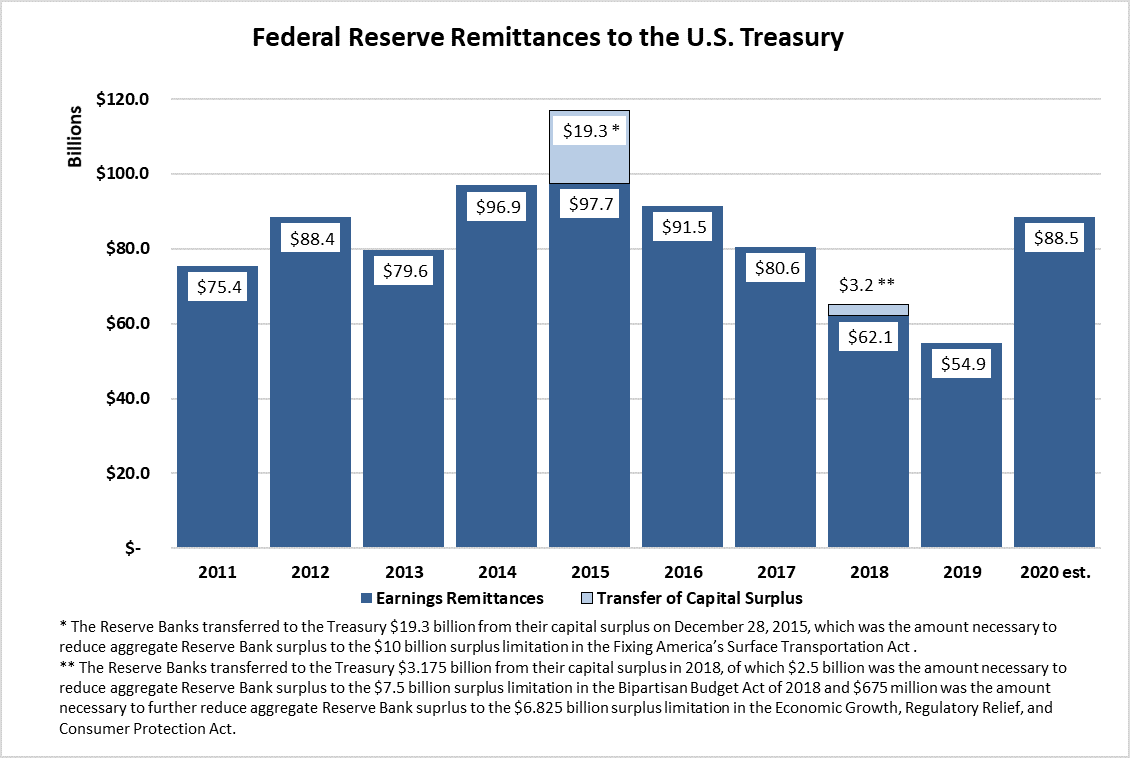
According to financial reports, interest income has accounted for a dominant portion of the company’s total revenue during recent fiscal periods. This dependency highlights a unique business model compared to traditional software-as-a-service (SaaS) companies. Instead of relying solely on transaction fees or platform licensing, Circle’s balance sheet is heavily influenced by the spread between the yield on its reserve assets and the costs associated with maintaining its technical infrastructure. The Federal Reserve’s historical rate data confirms the upward trend in interest rates that enabled this revenue expansion throughout 2022 and 2023.
Market Positioning and Regulatory Environment
Circle’s growth occurs against a backdrop of increasing scrutiny from global financial regulators. The company has actively sought to align its operations with emerging frameworks, such as the European Union’s Markets in Crypto-Assets (MiCA) regulation. By securing licenses in various jurisdictions, Circle aims to position USDC as a regulated alternative to other digital assets that may lack similar levels of transparency or reserve backing.
The company has also focused on expanding its reach into traditional financial systems. Through partnerships with major payment processors and financial institutions, Circle is attempting to integrate stablecoin technology into legacy banking rails. This strategy is intended to reduce the friction and costs associated with international money transfers, a move that stakeholders suggest could provide a more stable, long-term revenue base beyond interest rate fluctuations. Detailed information regarding the company’s regulatory standing and international operations is available via the Circle Legal and Compliance portal.
Challenges and Future Outlook
Despite the sharp increase in revenue, Circle faces several structural challenges. The volatility of the cryptocurrency market, combined with potential changes in U.S. fiscal policy, could impact the future performance of its reserve portfolio. If interest rates were to decline, the revenue derived from cash equivalents would likely diminish, forcing the company to rely more heavily on its commercial software products and API-based services.
Furthermore, the competition in the stablecoin market remains intense. Other issuers, including Tether and newer entrants backed by major financial exchanges, continue to vie for market share. For investors and users, the key metric remains the company’s ability to maintain its peg and provide regular, verified audits of its reserves. The next scheduled updates regarding Circle’s financial health and reserve composition are expected to be released through their official transparency dashboard, where the company periodically publishes attestations prepared by independent accounting firms.
For those interested in the evolving intersection of decentralized finance and traditional banking, monitoring these quarterly financial disclosures is essential for understanding the company’s long-term viability. Readers are encouraged to check the latest filings and official company press releases for updates on institutional partnerships and new product launches.
Related reading