
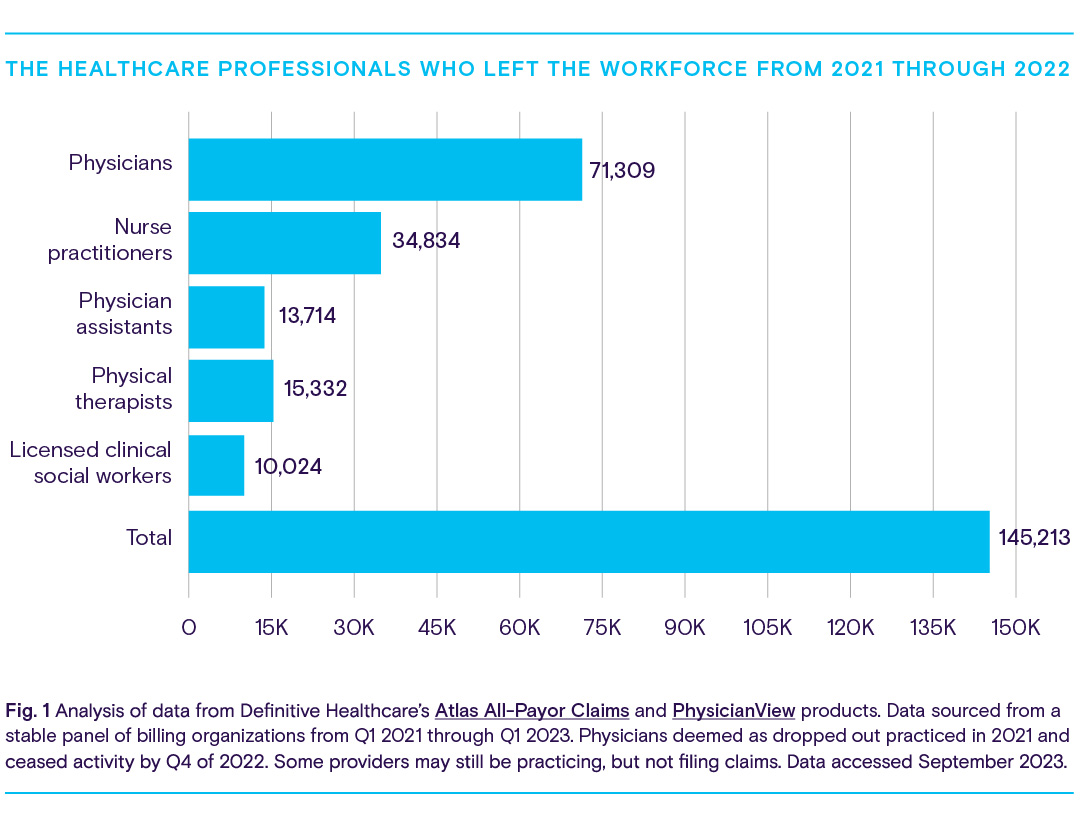
The medical profession is facing a significant workforce challenge as data indicates an increasing number of women physicians are reducing their clinical hours or leaving practice entirely during their mid-career years. According to a 2022 analysis published in JAMA Health Forum, female physicians experienced higher rates of attrition than their male counterparts, with work-life integration and burnout identified as primary contributors to early clinical departure. As the healthcare sector grapples with these trends, institutional leaders and policymakers are evaluating 10 ways to keep women physicians from leaving the workforce to ensure long-term stability in patient care.
The departure of experienced clinicians carries substantial implications for healthcare systems, particularly as the demand for medical services continues to rise. Research from the Association of American Medical Colleges (AAMC) suggests that by 2036, the United States may face a projected shortage of up to 124,000 physicians, a gap that is exacerbated when veteran doctors exit the profession prematurely. Addressing this retention crisis requires systemic changes that go beyond individual resilience, shifting instead toward institutional policies that support the professional longevity of women in medicine.
Addressing Systemic Burnout and Administrative Burden
Burnout remains a leading driver of attrition, frequently linked to the “hidden curriculum” of administrative tasks and electronic health record (EHR) demands. A study published in the Journal of General Internal Medicine found that physicians spend approximately two hours on documentation and clerical work for every hour of direct patient care. Reducing this burden through the use of medical scribes, improved interoperability of software systems, and streamlined charting processes can allow physicians to focus on clinical work, thereby increasing job satisfaction.
Furthermore, institutions are increasingly adopting flexible scheduling models to improve retention. The American Medical Association (AMA) emphasizes that allowing physicians to adjust their clinical hours during periods of intense family caregiving—such as caring for young children or aging parents—can prevent the “all-or-nothing” mentality that often leads to resignation. By offering part-time tracks that maintain a path toward advancement, health systems can retain talent that might otherwise be lost.
Equity in Compensation and Professional Advancement
Disparities in pay and promotion remain persistent barriers to retention. Data from the National Bureau of Economic Research indicates that a gender pay gap persists in medicine, even after adjusting for specialty, hours worked, and years of experience. Ensuring pay transparency and conducting regular salary audits are essential steps for health systems to demonstrate a commitment to equity. When women physicians perceive that their compensation and advancement opportunities are commensurate with their contributions, they are more likely to remain within their organizations.

Mentorship and sponsorship programs also play a critical role in professional longevity. According to a report by the National Academy of Medicine, structured mentorship that connects mid-career women with senior leadership can provide the guidance necessary to navigate organizational challenges. Unlike traditional mentorship, sponsorship involves senior leaders actively advocating for the promotion of women physicians, creating a pipeline for leadership that fosters long-term institutional loyalty.
Fostering a Culture of Inclusion and Support
Workplace culture is a primary predictor of physician retention. Research published in The Lancet highlights that environments characterized by psychological safety—where physicians feel comfortable raising concerns without fear of retaliation—report lower levels of turnover. This includes implementing robust policies to address workplace harassment and microaggressions, which disproportionately affect women in surgical and high-intensity specialties.
Additionally, the integration of wellness programs that address structural rather than individual issues is gaining traction. Rather than focusing solely on mindfulness or self-care, effective programs address the root causes of distress, such as staffing ratios, workload intensity, and lack of institutional voice. When physicians are involved in the decision-making processes that affect their daily practice, they report higher levels of professional fulfillment and organizational commitment.
Strategic Implementation for Long-Term Retention
To effectively implement these changes, healthcare organizations are encouraged to monitor retention metrics with the same rigor applied to clinical outcomes. By tracking turnover rates, conducting exit interviews with departing staff, and surveying current physicians regarding their professional needs, hospitals can develop data-driven strategies to improve retention. These efforts are not merely about preserving the workforce; they are essential for maintaining the quality and continuity of patient care.
The next major update on physician workforce trends is expected in the upcoming AAMC 2025 Physician Workforce Report, which will provide updated projections on supply and demand. As the industry looks toward these findings, the focus remains on transforming the practice of medicine to be more sustainable for the entire workforce. Readers interested in the latest developments in healthcare policy and professional standards are encouraged to share their experiences in the comments section below or join the conversation on our social media platforms.
Worth a look