
A coalition of 13 nations participating in the FIFA World Cup has formally challenged UEFA President Aleksander Čeferin over his recent criticism of the expanded 48-team tournament format. The group, representing a significant bloc of footballing nations, issued a joint statement asserting that “there’s no such thing as an unimportant World Cup match,” directly countering claims that the tournament’s expansion risks diluting the quality or significance of individual fixtures.
The dispute centers on comments made by Čeferin, who has previously expressed reservations regarding the logistical and sporting implications of increasing the number of teams from 32 to 48. According to reports from Reuters, the UEFA leadership has frequently emphasized concerns about the potential for diminished intensity in group-stage matches and the strain placed on international football calendars. By contrast, the 13 signatory nations argue that the expansion fosters inclusivity and provides necessary competitive exposure to emerging football programs, which they contend enhances the tournament’s global prestige rather than detracting from it.
The Origins of the 48-Team Expansion
The decision to move to a 48-team format was officially ratified by the FIFA Council in January 2017, with the change set to take full effect starting with the 2026 World Cup hosted by the United States, Canada, and Mexico. Official documentation from FIFA confirms that the expansion was designed to increase the number of participating nations, thereby broadening the tournament’s commercial and cultural reach. Since the announcement, the governance of international football has seen a growing tension between those favoring a smaller, more concentrated elite tournament and those advocating for a more representative global event.
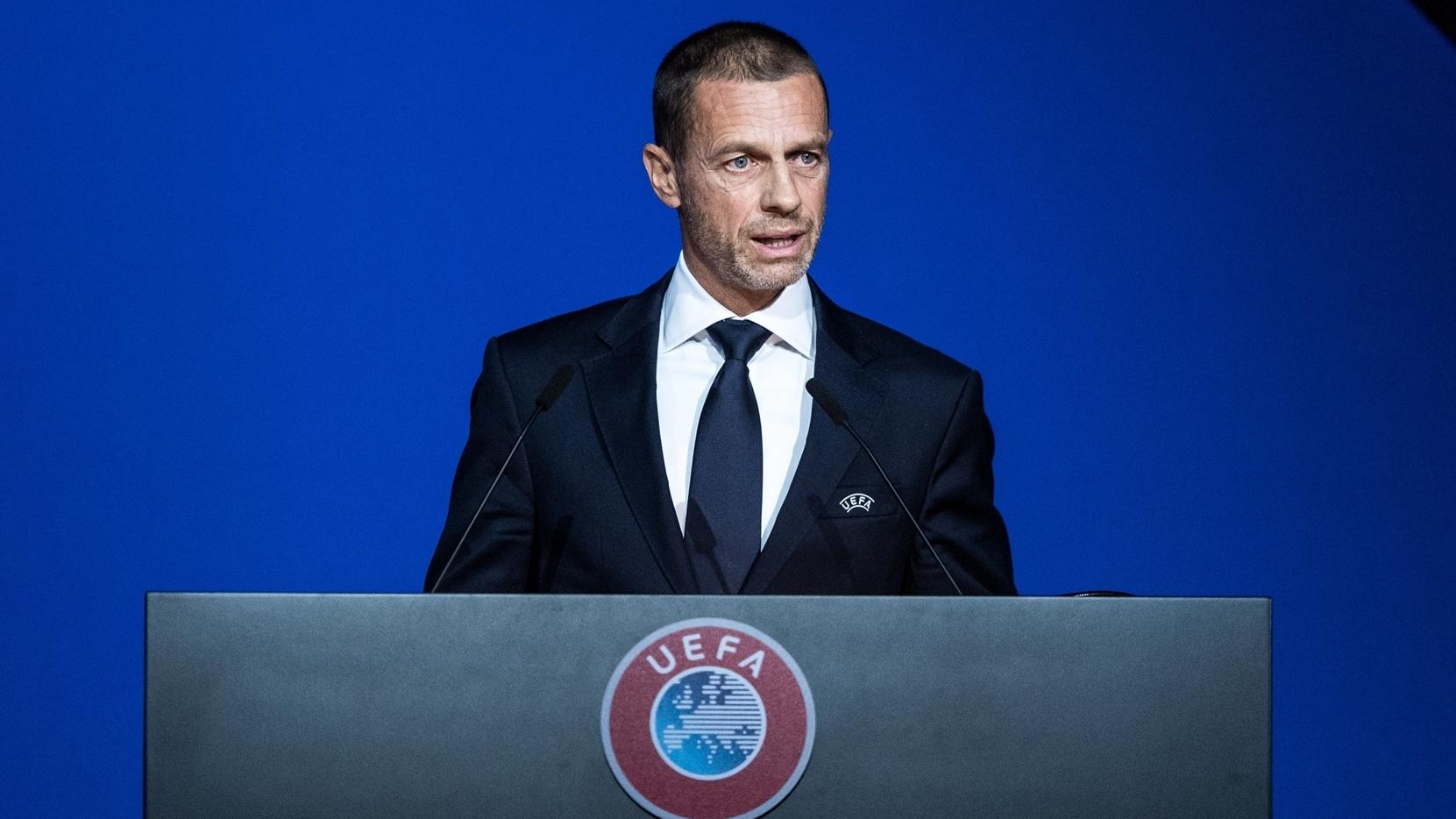
Aleksander Čeferin, who has led UEFA since 2016, has remained a prominent voice in the debate, often highlighting the risks of fixture congestion. The UEFA perspective, as documented by the Union of European Football Associations, often focuses on the health of players and the viability of domestic leagues, which are frequently impacted by extended international breaks. The 13 nations, however, suggest that the focus should remain on the democratic accessibility of the sport, maintaining that every match carries inherent value for the fans and players of the participating countries.
Evaluating the Sporting Impact
Critics of the 48-team model, including elements within UEFA, argue that the addition of 16 teams could lead to lopsided matches that fail to engage neutral audiences. Supporters of the expansion, however, point to the historical performance of “underdog” nations in previous tournaments as evidence that high-quality competition is not exclusive to the traditional powers of Europe and South America. The statement issued by the 13 nations emphasizes that the expanded format ensures that a wider array of footballing styles and strategies are represented on the world stage.
The debate also touches upon the economics of international football. According to data released in FIFA’s 2022 Annual Report, the financial health of the organization is heavily reliant on the broadcast and sponsorship revenue generated by the World Cup. Increased participation levels are projected to drive further interest in untapped markets, though the long-term impact on the quality of play remains a subject of intense analysis among sports economists and governing bodies.
What Happens Next in the Governance Dispute
As the football community looks toward the 2026 tournament, the tension between UEFA’s stance on tournament structure and the ambitions of the broader FIFA membership is likely to persist. There is no current evidence of a formal mediation process between UEFA and the coalition of 13 nations. Any further developments are expected to surface during the next FIFA Congress, where member associations will have the opportunity to debate the ongoing implementation of the 48-team format.
Stakeholders, including fans and national associations, are encouraged to monitor updates from the official FIFA media portal for forthcoming announcements regarding match scheduling and tournament regulations. The disagreement highlights the difficulty of balancing the commercial interests of a global event with the traditionalist expectations of European football authorities. Readers are invited to share their perspectives on the expansion in the comments section below.