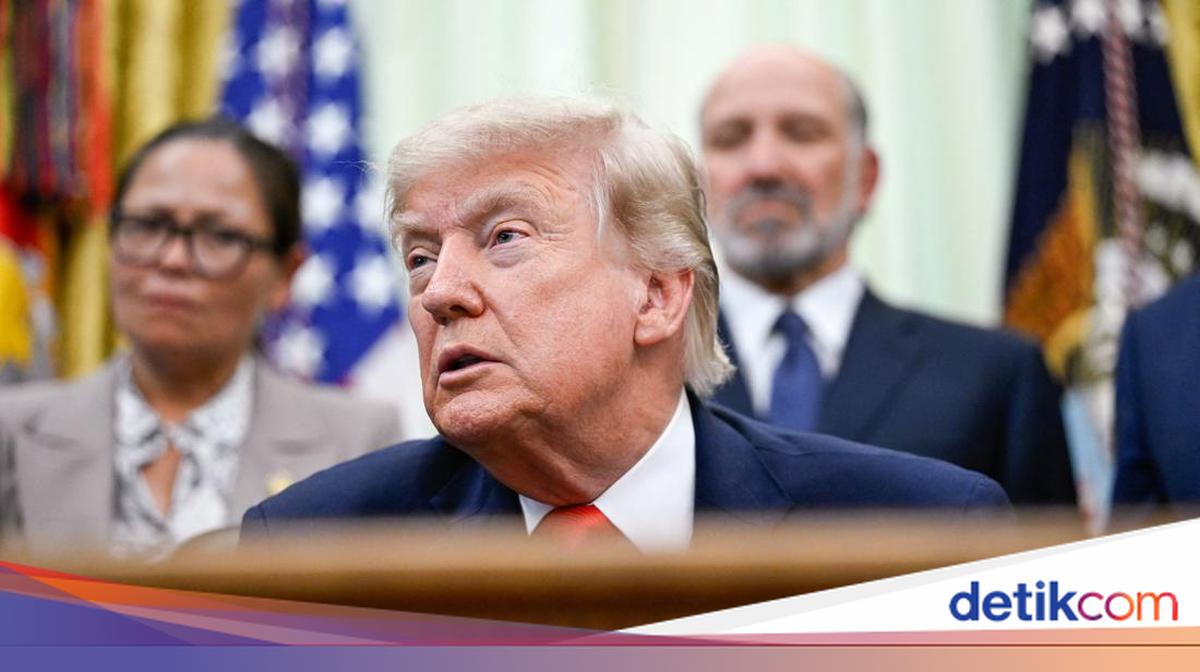
Trump Warns Netanyahu Against Retaliation as U.S.-Iran Deal Looms—Regional Tensions Flare
Former U.S. President Donald Trump has publicly criticized Israeli Prime Minister Benjamin Netanyahu for threatening retaliatory strikes against Iran, warning that any military response could derail a potential U.S.-brokered détente between Washington and Tehran. The comments come as regional tensions remain high following Israel’s recent strikes on Iranian-backed targets in Lebanon, and as China and Russia signal support for a diplomatic resolution. Analysts warn that Netanyahu’s hardline stance risks escalating a conflict that has already claimed hundreds of lives in the past year.
Trump’s intervention highlights deep divisions within the U.S. alliance system, with Israeli officials insisting they will not tolerate Iranian aggression while the Biden administration pushes for a nuclear deal. Meanwhile, Iranian citizens—already weary of years of sanctions and conflict—express growing frustration with a political class they accuse of prioritizing negotiation over their safety. The situation has left regional powers, including Lebanon’s Hezbollah and Saudi Arabia, on edge, fearing a spillover that could destabilize an already volatile Middle East.
As negotiations between the U.S. and Iran enter a critical phase, this article examines the geopolitical stakes, the risks of further escalation, and how major powers—including China and Russia—are positioning themselves in the shadow of a potential deal.
Why Trump’s Warning Matters: The U.S.-Iran Deal and Israel’s Dilemma
Trump’s remarks reflect a growing rift between Israel and its traditional ally, the U.S., over how to handle Iran. While the Biden administration has been quietly engaging Tehran to revive the 2015 nuclear deal—officially known as the Joint Comprehensive Plan of Action (JCPOA)—Netanyahu’s government has vowed to prevent any agreement that does not address Iran’s ballistic missile program and regional influence.
According to Reuters sources briefed on the negotiations, the U.S. has been pressing Israel to avoid military action that could scuttle the talks. “The clock is ticking,” said one diplomat. “If Israel strikes now, we lose the momentum we’ve built over the past six months.”
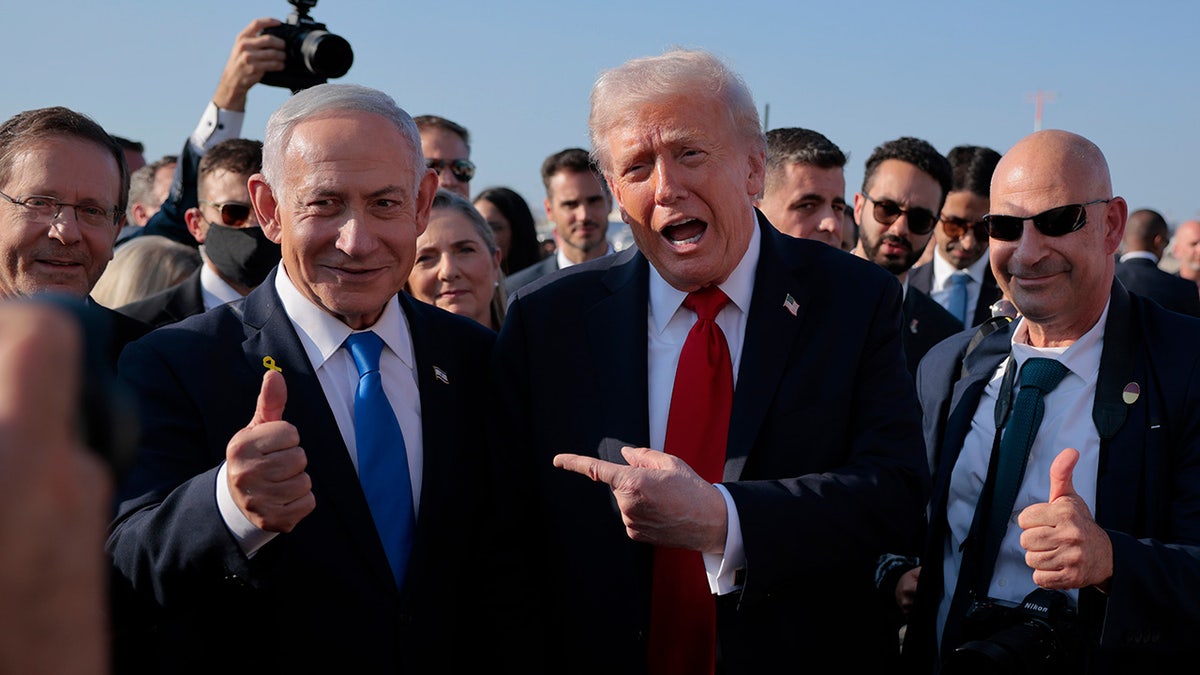
Netanyahu, however, has framed Iran as an existential threat, particularly after a series of drone and missile attacks attributed to Tehran in recent months. In a recent speech, he stated: “Israel will act to prevent Iran from acquiring nuclear weapons, regardless of what the U.S. decides.” His government has also accused Iran of supplying advanced weapons to Hezbollah and Palestinian militant groups in Gaza.
Trump’s intervention adds another layer of complexity. As a former president who maintained close ties with Netanyahu, his public criticism carries weight. “He’s not just speaking as a private citizen,” said Brookings Institution analyst Daniel Byman. “His words could influence both Israeli public opinion and the U.S. political debate ahead of the 2024 election.”
Regional Escalation: Israel Strikes Lebanon as Iran Talks Near Completion
Israel’s recent airstrikes on Iranian-backed targets in Lebanon—including what officials described as “command and control facilities” linked to Hezbollah—have raised fears of a broader conflict. The strikes, which occurred on April 12, came just days after the U.S. and Iran signaled progress in indirect talks mediated by Oman and Qatar.
CNN reported that the Israeli military confirmed the strikes but did not specify casualties. Lebanese officials, however, stated that at least three civilians were killed, including a child, in a residential area near the Syrian border. Hezbollah, in a statement, accused Israel of “escalating aggression” and vowed retaliation.
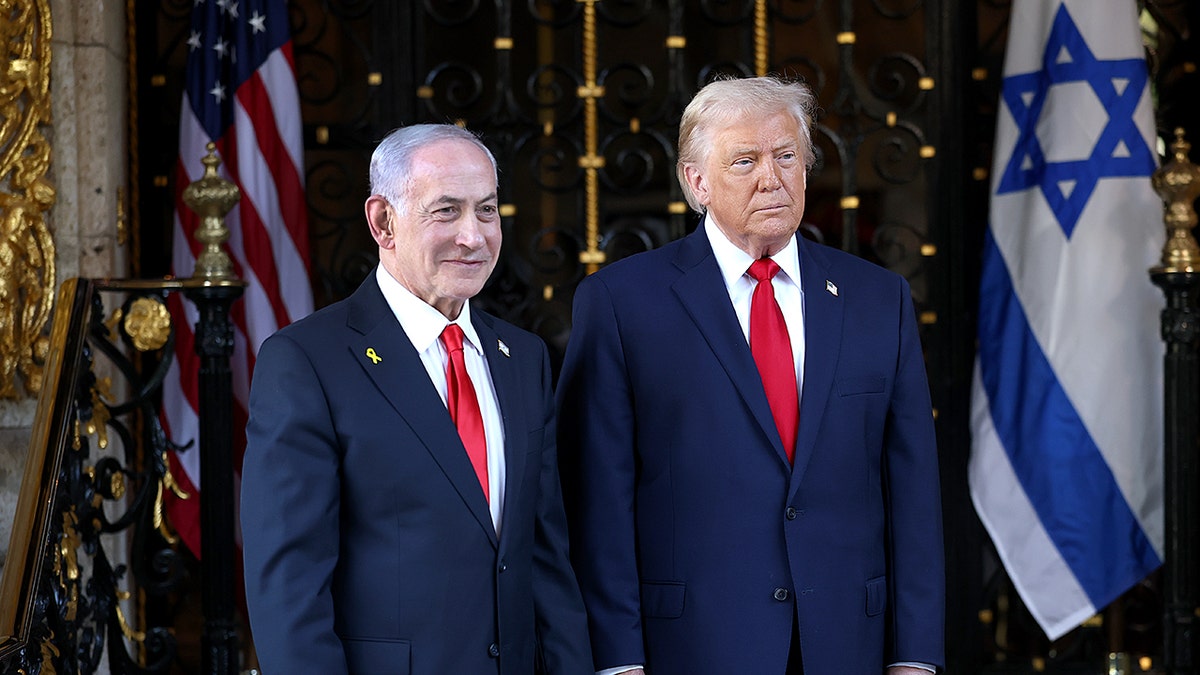
The timing of the strikes has led to speculation that Israel may be testing Iran’s resolve ahead of a potential deal. “This is a message to Tehran: we will not stand idle while you rearm Hezbollah,” said The Washington Institute’s Aaron Stein. “But it also risks derailing the nuclear negotiations.”
Iranian state media, meanwhile, has framed the strikes as evidence of Israel’s “warmongering.” In a statement by the Iranian Foreign Ministry, spokesman Nasser Kanaani called the attacks “a clear violation of international law” and warned of “severe consequences.”
China and Russia’s Role: Balancing Diplomacy and Influence
As the U.S. and Iran inch toward a deal, China and Russia have positioned themselves as key players in the region, each with distinct interests. Both countries have publicly supported diplomatic efforts, but their motivations differ sharply.
China’s stance: Beijing has long sought to reduce its dependence on Middle Eastern oil and has invested heavily in Iranian energy and infrastructure projects. According to Brookings, China’s engagement with Iran is part of its broader “Belt and Road Initiative,” which aims to secure long-term energy supplies and counter Western influence. In a recent statement, Chinese Foreign Minister Wang Yi called for “peaceful dialogue” and urged all parties to “avoid actions that could escalate tensions.”
Russia’s stance: Moscow, meanwhile, has deepened its military and economic ties with Iran, particularly since the Ukraine war began. Iran has become a critical supplier of drones and missiles to Russia, while Tehran benefits from Moscow’s veto power in the UN Security Council, which has shielded it from sanctions. In a recent meeting with Iranian President Ebrahim Raisi, Russian President Vladimir Putin praised the “strategic partnership” between the two countries and called for “joint efforts to stabilize the region.”
Analysts suggest that both China and Russia are hedging their bets. While they publicly support diplomacy, they are unlikely to pressure Iran to make major concessions. “Neither Beijing nor Moscow wants to see a full-blown war,” said Council on Foreign Relations scholar Eliot Cohen. “But they also don’t want Iran to be isolated or weakened.”
Iranian Public Sentiment: Weary of Conflict, Skeptical of Negotiations
Amid the geopolitical maneuvering, Iranian citizens—who have borne the brunt of U.S. sanctions and years of conflict—are growing increasingly frustrated. Protests have erupted in recent weeks, with demonstrators chanting slogans like “We are tired of war!” and “Why are they negotiating while we suffer?”
According to Al Jazeera, security forces have dispersed several gatherings, but the unrest reflects deep discontent. “The government talks about peace, but we see bombs falling every night,” said Human Rights Watch researcher Arash Azizi. “People are asking: What are these negotiations for if they don’t protect us?”
The Iranian government has responded with a mix of defiance and conciliation. In a recent address, President Raisi acknowledged the “sacrifices” of the Iranian people but insisted that the nuclear deal remains the “best path forward.” However, hardliners in the Revolutionary Guard and parliament have warned against making “unacceptable concessions” to the U.S.
This internal divide complicates Iran’s negotiating position. While Supreme Leader Ayatollah Ali Khamenei has historically opposed direct talks with the U.S., recent statements suggest a willingness to engage—provided Iran’s demands are met. In a recent speech, Khamenei emphasized that any deal must include the lifting of sanctions and guarantees against future U.S. withdrawal from the agreement.
What Happens Next: Key Checkpoints in the U.S.-Iran Talks
The next critical phase in the negotiations is expected to unfold over the coming weeks, with several key deadlines and developments to watch:

- April 20–25, 2024: U.S. and Iranian negotiators are scheduled to meet again in Muscat, Oman, to finalize technical details of the nuclear deal. U.S. State Department sources indicate that the biggest hurdles remain the structure of sanctions relief and verification mechanisms.
- Late April: Israel’s Knesset is expected to debate a new emergency powers bill that would authorize preemptive military action against Iranian nuclear sites. Netanyahu has signaled he will sign it into law if passed.
- May 1, 2024: The European Union’s foreign ministers will convene to discuss the Middle East situation, including potential sanctions relief for Iran. EU diplomats have indicated they will coordinate closely with the U.S. on this issue.
- Ongoing: Hezbollah and Israeli forces remain in a state of heightened alert along the Lebanon-Israel border. The UN Interim Force in Lebanon (UNIFIL) has reported a significant increase in military movements in recent days.
Key Takeaways
- Trump’s intervention underscores deep divisions between Israel and the U.S. over how to handle Iran, with Netanyahu insisting on a hardline stance despite U.S. diplomatic efforts.
- Israel’s recent strikes in Lebanon have raised fears of escalation, coming just days before critical U.S.-Iran negotiations in Oman.
- China and Russia are positioning themselves as mediators but have distinct interests: Beijing seeks energy security, while Moscow aims to maintain its military partnership with Tehran.
- Iranian public sentiment is increasingly skeptical of negotiations, with protests highlighting war fatigue and economic hardship.
- The next 30 days will be decisive, with technical talks in Muscat, Israel’s potential military escalation, and EU coordination on sanctions relief.
- Regional stability hangs in the balance, with Hezbollah, Saudi Arabia, and other actors closely monitoring developments.
How to Follow the Story: Official Updates and Resources
For readers seeking real-time updates on the U.S.-Iran negotiations and regional developments, the following sources provide authoritative information:
- U.S. Department of State – Official statements on nuclear negotiations and Middle East policy.
- Atomic Energy Organization of Iran (AEOI) – Updates on Iran’s nuclear program and diplomatic engagements.
- UNIFIL (UN Interim Force in Lebanon) – Reports on military movements and ceasefire violations.
- European External Action Service – EU positions on sanctions and Middle East diplomacy.
- Brookings Institution – Expert analysis on geopolitical shifts and U.S. strategy.
What’s next? The U.S.-Iran talks enter their most delicate phase in the coming weeks. Will Netanyahu’s hardline stance derail diplomacy? Can China and Russia bridge the gaps between Tehran and Washington? Share your thoughts in the comments below or join the discussion on our social media channels.
Related reading
- British Shia and Karbala Clashes: The Resurgence of the Shirazi Movement
- UK Governments and the Erosion of Fundamental Freedoms
- No Peace Without Justice: Syrian Lawyer Anwar al-Bunni on Syria’s Future (world-today-news.com)
- TSMC Expands Chiayi Packaging Hub and Achieves 2D Semiconductor Breakthrough (time.news)