The House Freedom Caucus, a conservative hardline faction that once dictated Republican legislative priorities, is in rapid decline as its most prominent members abandon the group or distance themselves from its leadership. The exodus—including Rep. Chip Roy of Texas and Rep. Scott Perry of Pennsylvania—has left the caucus with just 12 members, down from 40 at its peak in 2017, according to CNN’s count. Analysts describe the shift as a strategic retreat by conservatives seeking to avoid political isolation ahead of the 2024 elections.
What began as a movement to push back against Republican leadership has fractured under pressure from former President Donald Trump’s influence and the caucus’s own internal divisions. The departures follow a series of defeats, including the failure to block a $95 billion Ukraine aid package in May—a symbolic loss for the caucus’s anti-interventionist stance. Meanwhile, Trump’s endorsement of candidates like Rep. Marjorie Taylor Greene has further complicated the caucus’s ability to maintain cohesion.
The caucus’s dwindling numbers reflect broader tensions within the GOP, where loyalty to Trump often outweighs ideological purity. “The Freedom Caucus was built on a foundation of principle, but now it’s being tested by pragmatism,” said Sarah Binder, a senior fellow at the Brookings Institution. “Members are asking whether staying in the caucus will hurt their reelection chances more than it helps their policy goals.”
Who’s leaving—and why?
Rep. Chip Roy, one of the caucus’s most vocal critics of Republican leadership, announced his departure in June, citing a need to “focus on Texas priorities” rather than national partisan battles. Roy’s exit was particularly notable because he had been a key architect of the caucus’s early successes, including forcing the resignation of then-Speaker John Boehner in 2015. “The caucus has become a liability for many of its members,” Roy told Politico in a statement.
Rep. Scott Perry of Pennsylvania, another founding member, followed suit, arguing that the caucus had strayed from its original mission. “We were never about being a protest faction,” Perry said in a June interview with The Hill. “We were about holding the party accountable. That’s no longer the case.”
Other departures include Rep. Lauren Boebert of Colorado and Rep. Thomas Massie of Kentucky, both of whom have faced primary challenges from Trump-aligned candidates. Boebert, who left the caucus in 2023, has since distanced herself from its leadership, while Massie has publicly criticized the group’s “obsession with process over policy.”
Who’s stepping up to fill the void?
With its core membership evaporating, the Freedom Caucus is now looking to younger, less experienced lawmakers to take the reins. Among the names being discussed are:

- Rep. Matt Rosendale (Montana): A relative newcomer to Congress, Rosendale has positioned himself as a Trump loyalist while maintaining a hardline conservative stance. He has been vocal about opposing any spending bills that include funding for Ukraine or border security measures he deems insufficient.
- Rep. Andy Biggs (Arizona): A former caucus member who left in 2021, Biggs has since rebranded as a “constitutional conservative” and is now being eyed as a potential leader. He has criticized the caucus’s past failures but has not ruled out rejoining.
- Rep. Ralph Norman (South Carolina): A long-time caucus member, Norman has been a steady voice in the group, though he has softened his rhetoric in recent months. He has not indicated whether he will seek a leadership role but remains a key figure in the caucus’s remaining ranks.
Analysts suggest that any new leadership will face an uphill battle. “The caucus’s brand is damaged,” said Norm Ornstein, a resident scholar at the American Enterprise Institute. “Members are either leaving or staying silent. Without a clear vision, it’s hard to see how they regain relevance.”
What does this mean for conservative policy?
The Freedom Caucus’s decline has immediate consequences for two major policy fronts:
- Spending and debt ceiling negotiations: The caucus has historically been a roadblock to any bipartisan deals on spending or debt limits. With fewer members, its ability to derail negotiations has diminished. “The caucus used to hold hostage every major bill,” said CNBC’s John Harwood. “Now, they’re just another interest group.”
- Foreign policy: The caucus’s opposition to foreign aid, particularly for Ukraine, has weakened. While some members still oppose aid, the lack of a unified front means these objections are less likely to succeed. The $95 billion Ukraine aid package passed in May was a clear sign of this shift.
For now, the caucus’s remaining members are focusing on local and district-level issues rather than national policy battles. “We’re not going away, but we’re not going to be the spoilers we once were,” said Rep. Ralph Norman in a recent interview with Fox News. “Our priorities have shifted.”
What happens next?
The Freedom Caucus’s future hinges on three key factors:
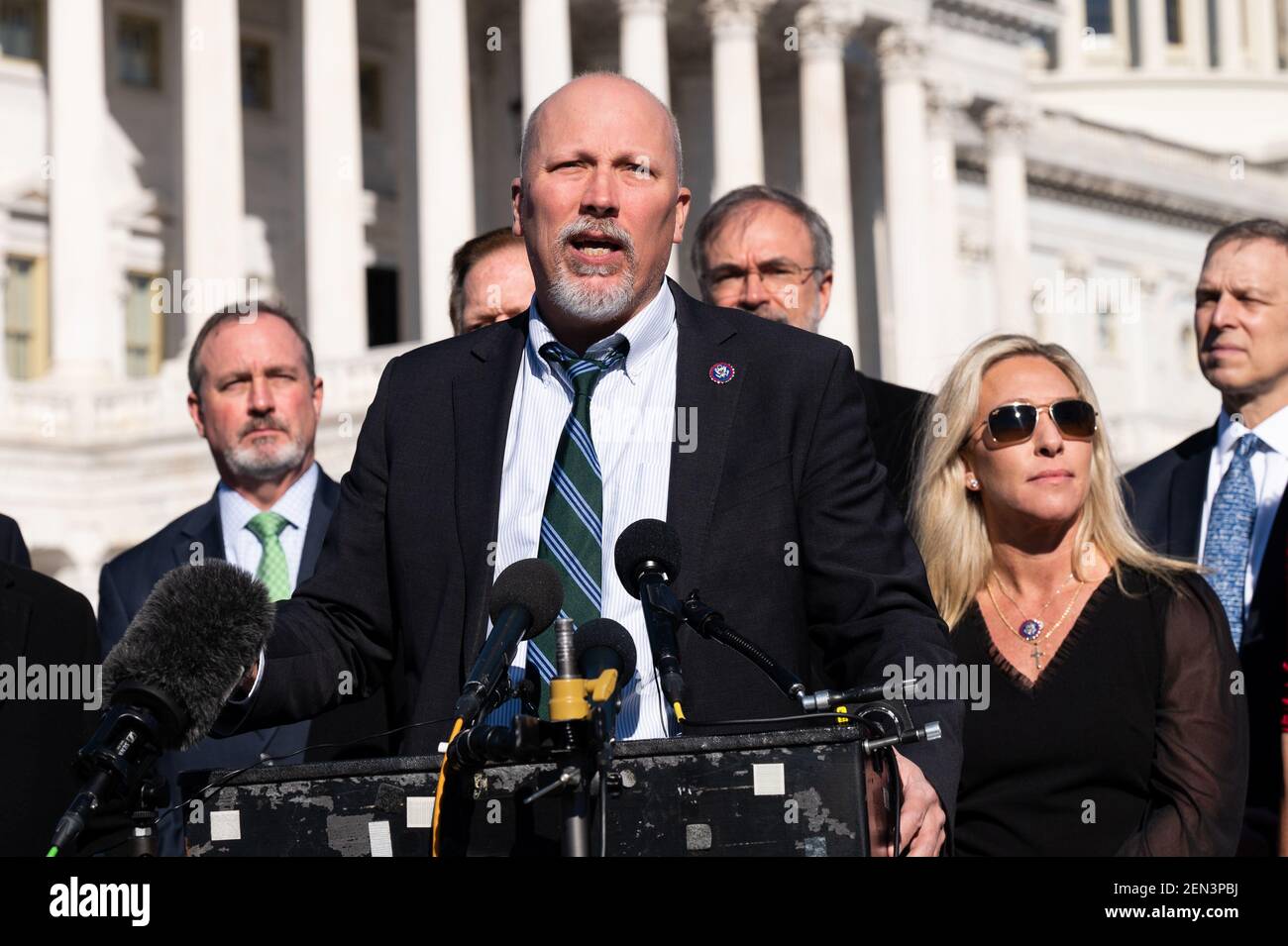
- Primary challenges: Several caucus members, including Rep. Thomas Massie, face primary elections in 2024. If they lose, the caucus’s influence will shrink further. Massie’s race in Kentucky is particularly closely watched, as he is seen as a litmus test for Trump’s ability to consolidate control over the GOP.
- Leadership consolidation: If the caucus fails to attract new members or redefine its mission, it risks becoming a historical footnote. Some members are already exploring the creation of a new conservative coalition, though no formal plans have been announced.
- 2024 election fallout: The caucus’s decline could embolden moderate Republicans to push for more bipartisan deals, particularly on spending and debt. With fewer hardliners to block negotiations, the GOP may find itself more willing to compromise—at least until the next election cycle.
The next major test for the caucus comes in September, when the House is expected to vote on a new spending bill. If the remaining members fail to unite behind a unified position, it could signal the beginning of the end for the group as a cohesive force.
Key Takeaways
- The Freedom Caucus has lost nearly two-thirds of its members since 2017, leaving it with just 12 lawmakers.
- Departures by Rep. Chip Roy and Rep. Scott Perry mark the end of an era for the group’s hardline faction.
- Younger, Trump-aligned members like Rep. Matt Rosendale are now being eyed as potential leaders.
- The caucus’s decline reduces its ability to block major legislation, including spending bills and foreign aid.
- Primary challenges in 2024 could further weaken the caucus if members lose their seats.
The Freedom Caucus’s story is far from over, but its future is uncertain. For now, the GOP’s conservative wing is in flux—and the next few months will determine whether the caucus can reinvent itself or fade into obscurity.
What do you think the Freedom Caucus’s next move should be? Share your thoughts in the comments below.
Next checkpoint: The House is expected to vote on a new spending bill in September. Stay tuned for updates on how the remaining Freedom Caucus members respond.
Related reading