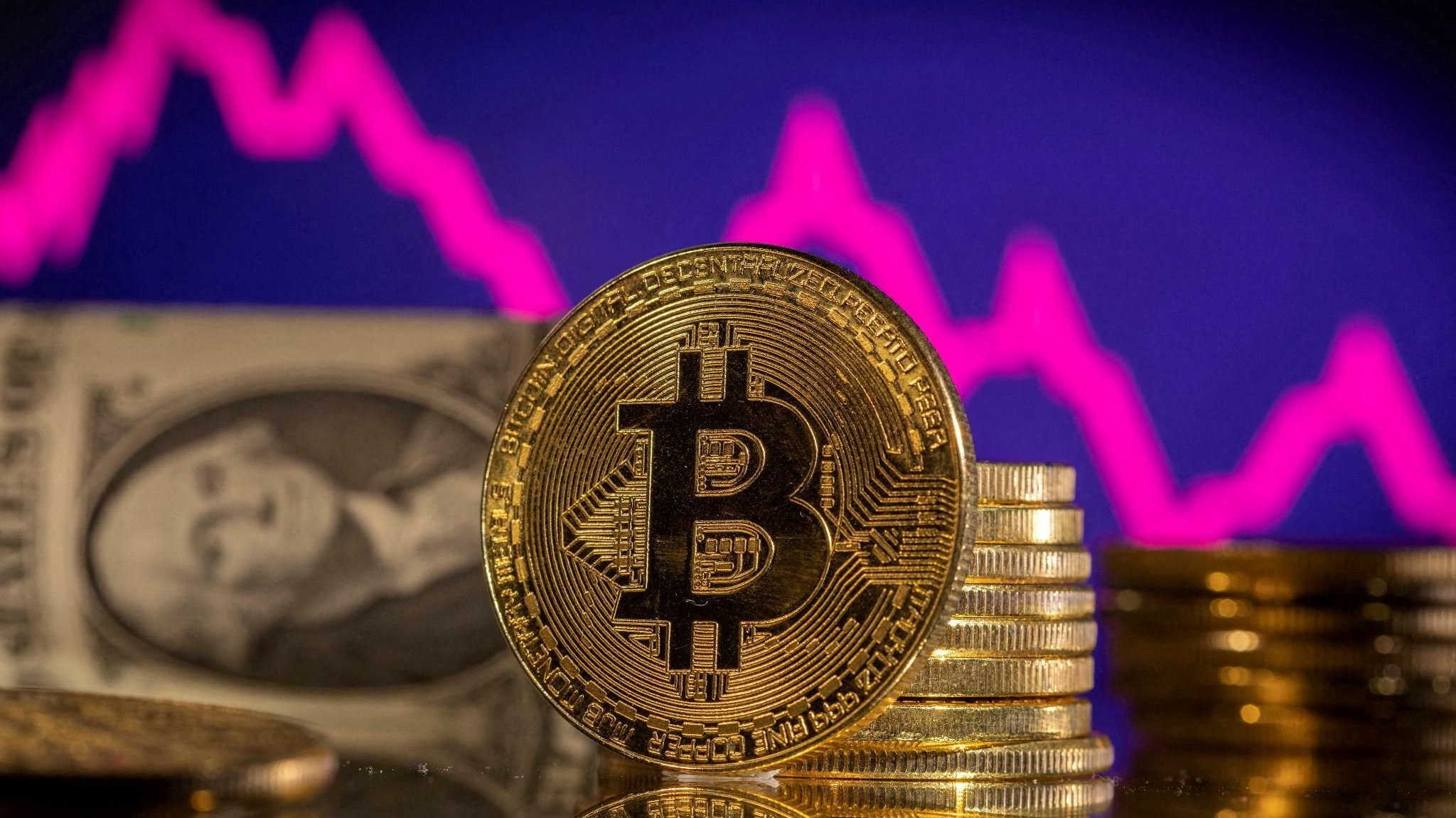
Bitcoin’s price surged past $66,150 on Thursday, reaching its highest level since early June, as traders reacted to a landmark Middle East framework agreement between Iran and world powers. The cryptocurrency’s rally follows a week of gains that have erased nearly $10,000 in losses from May’s market downturn, according to real-time data from CoinDesk and CoinGecko. Analysts attribute the move to reduced geopolitical tensions, though caution that broader economic indicators remain mixed.
The framework deal, announced by the U.S., China, France, Germany, and the UK, outlines a path to revive the 2015 Iran nuclear agreement while easing sanctions. Bitcoin’s price had already been climbing since Monday, when initial reports of the deal’s progress emerged, but the official announcement triggered a more pronounced spike. By 12:30 PM ET, BTC was trading at $66,150—a 3.8% increase from the previous day’s close, according to Bloomberg Markets.
This rally comes as Bitcoin investors weigh the potential for broader risk-on sentiment in global markets. While the Middle East deal reduces immediate conflict risks, economists warn that inflation concerns and Federal Reserve policy remain headwinds. “The geopolitical tailwind is real, but we’re still in a macro environment where central banks are tightening,” said Reuters quoting Kathryn Haun, partner at Andreessen Horowitz. “Bitcoin’s move is more about relief than fundamental improvement.”
Why Is Bitcoin Rising Now?
Bitcoin’s recent price action reflects a combination of short-term catalysts and longer-term market dynamics:

- Geopolitical Relief: The Iran framework deal reduces fears of escalating conflict in the Middle East, a region critical to global oil supplies. Bitcoin, often seen as a “safe haven” asset, tends to rally when geopolitical risks subside. The Wall Street Journal noted that similar rallies occurred during the 2015 Iran nuclear deal negotiations.
- Macro Crosscurrents: While Bitcoin benefits from reduced conflict risks, its rally is occurring against a backdrop of stubbornly high U.S. inflation (3.3% year-over-year in June, per the Bureau of Labor Statistics) and expectations of further Federal Reserve interest rate hikes. This creates a mixed environment for risk assets.
- Spot ETF Approvals: The U.S. Securities and Exchange Commission’s approval of Bitcoin spot ETFs in January has increased institutional exposure to the asset class. BlackRock’s iShares Bitcoin Trust (IBIT) alone holds over $10 billion in assets, according to SEC filings, providing a floor for prices during volatility.
How Far Could Bitcoin Go?
Analysts offer divergent forecasts for Bitcoin’s near-term trajectory, with targets ranging from $60,000 to $80,000 depending on macroeconomic conditions:
| Analyst/Firm | Price Target | Timeframe | Basis for Forecast |
|---|---|---|---|
| Bloomberg Intelligence | $70,000 | 3 months | Geopolitical stabilization + ETF inflows |
| CoinDesk Indices | $65,000-$75,000 | Q3 2024 | Halving cycle effects + institutional adoption |
| Reuters Poll (20 analysts) | $60,000-$68,000 | Next 30 days | Macro uncertainty outweighs geopolitical tailwinds |
One key variable will be the Federal Reserve’s next policy decision on July 31. If the central bank signals a pause in rate hikes, Bitcoin could extend its rally. However, if inflation data surprises to the upside, the cryptocurrency could face renewed selling pressure. “The Fed is the ultimate arbiter of risk asset performance,” said CNBC quoting Lynn Forney, CEO of Digital Asset Research.
What Happens Next for the Iran Deal?
The Middle East framework agreement is not yet finalized, and several hurdles remain before sanctions are fully lifted:

- Implementation Timeline: Negotiators aim to finalize the deal within the next 60 days, according to a U.S. State Department briefing. However, Iran’s Supreme Leader has warned that “no deal is better than a bad deal,” suggesting domestic political constraints.
- Sanctions Relief Phasing: The U.S. and EU have indicated they will lift sanctions in stages, tied to Iran’s compliance with nuclear inspections. Full sanctions relief could take months, creating a prolonged period of uncertainty.
- Regional Reactions: Israel has expressed skepticism about the deal, with Prime Minister Benjamin Netanyahu calling it “a strategic mistake.” This could introduce new geopolitical risks if tensions escalate.
For Bitcoin investors, the key question is whether the current rally will sustain as these political developments unfold. Historically, cryptocurrency markets have reacted more to perceived risk reduction than to actual policy changes. “The market is pricing in optimism, but the real test will be execution,” said Financial Times quoting Nimrod Bichman, head of research at eToro.
Should Investors Take Profits?
With Bitcoin trading near its highest levels since March, many traders are asking whether now is the time to lock in gains. Technical analysts point to several indicators:
- Relative Strength Index (RSI): Currently at 68 (overbought territory), suggesting potential pullback. TradingView data shows similar overbought conditions preceded a 5% correction in June 2023.
- Moving Averages: Bitcoin has crossed above its 50-day moving average ($62,000) but remains below its 200-day average ($65,500), a bullish but not yet confirmed signal.
- On-Chain Metrics: The Glassnode Network Value to Transaction (NVT) ratio stands at 3.1—historically in the “fair value” range, suggesting neither extreme overvaluation nor undervaluation.
Strategic investors may choose to hold through the next Fed meeting, while short-term traders could use the rally to trim positions. “This isn’t a top yet, but it’s a good opportunity to take partial profits,” advised Forbes quoting PlanB, creator of the Stock-to-Flow model. “The next leg up will likely require clearer macro signals.”
Next Checkpoint: The Federal Reserve’s July 31 policy announcement will be the next major market mover. Traders will also watch for:
- July 26: U.S. Consumer Price Index (CPI) report
- August 5: Next Iran nuclear talks deadline
- August 12: Bitcoin halving cycle countdown (100 days remaining)
What are your thoughts on Bitcoin’s recent rally? Share your analysis in the comments below or join the discussion on our Tech Forum. For real-time updates, follow World Today Journal’s Crypto Tracker.
Related reading