
UK Bans TikTok, Instagram, and Snapchat for Under-16s: Full Details on the New Law and What It Means
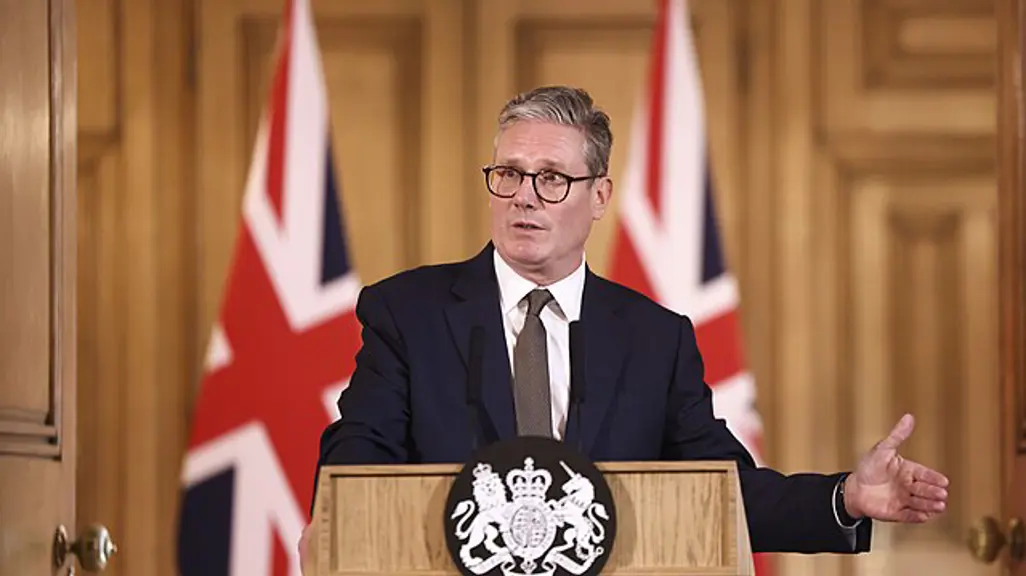
The UK government has confirmed plans to ban children under 16 from using TikTok, Instagram, and Snapchat under new Online Safety Act provisions, marking the most sweeping restrictions yet on social media access for minors in Europe. The measure, announced by Prime Minister Keir Starmer in a statement this week, will require platforms to implement age-verification systems or face fines up to 10% of global revenue and potential legal action. The policy, set to take effect in late 2024, follows years of criticism over the mental health impacts of social media on young users and aligns with stricter EU regulations on child protection.
According to a government press release issued June 11, the ban will apply to all three platforms unless they can prove they have “robust” age-verification measures in place. The UK’s Ofcom, the communications regulator, will oversee enforcement. Meanwhile, Meta and Snap have not yet commented on how they will comply, though TikTok has previously stated it supports age restrictions but opposes outright bans.
This move comes as part of broader global scrutiny over social media’s role in youth mental health. The UK’s Online Safety Bill, which received royal assent in October 2023, already requires platforms to prevent children from accessing harmful content. The new ban expands these rules by making age restrictions mandatory. Critics argue the measure could push teens to use unregulated alternatives, while supporters say it’s a necessary step to protect vulnerable users.
What the Ban Means for Parents, Teens, and Tech Companies
- Effective Date: The law is expected to take effect by the end of 2024, though exact timelines depend on regulatory approval.
- Platform Responsibility: Companies must implement age-verification or risk fines up to 10% of global revenue.
- Alternatives for Teens: Younger users may turn to unregulated apps or VPNs, raising new safety concerns.
- Global Impact: The UK’s move could influence similar laws in the EU and US, where child online safety is also under debate.
- Enforcement: Ofcom will monitor compliance, with potential legal action for non-compliance.
Why the UK’s Ban Could Reshape Global Social Media Rules
The UK’s decision follows similar but less restrictive measures in other countries. For example, France banned TikTok for under-15s in 2023, while the EU’s Digital Services Act requires age verification but does not impose outright bans. The UK’s approach is more aggressive, reflecting growing public pressure after reports linking social media use to rising anxiety and depression among teens.

A Guardian analysis notes that the UK’s ban could force tech companies to rethink their global strategies. “This isn’t just about the UK,” said Ofcom’s CEO Dame Melanie Dawes in a statement. “It’s a signal to the world that unchecked access to social media for children is no longer acceptable.”
However, critics warn that bans may not solve the underlying problem. A BBC investigation found that teens often bypass age restrictions by lying about their age or using adult accounts. The UK government acknowledges this risk, stating that enforcement will focus on “proactive monitoring” rather than relying solely on self-reported ages.
How the UK’s Social Media Ban for Under-16s Will Be Enforced
The ban will be implemented in three phases, according to official guidelines:
- Age-Verification Requirements: Platforms must verify users’ ages before granting access to content. This could involve government-issued ID checks or biometric verification.
- Default Restrictions: Accounts for under-16s will be set to private by default, with limited interaction features.
- Enforcement and Fines: Ofcom will audit compliance, with fines up to £18 million (approximately $23 million) or 10% of global revenue for violations.
Parents will also have new tools to monitor their children’s activity. The UK government has partnered with NSPCC to provide resources on digital safety, including guides on setting parental controls and reporting harmful content.
What’s Next: Timeline, Challenges, and Unanswered Questions
The ban is still subject to final regulatory approval, with Ofcom expected to release detailed compliance rules by September 2024. However, several uncertainties remain:
- Effectiveness: Will age-verification systems actually prevent underage access, or will teens find workarounds?
- Global Impact: Could the UK’s ban trigger similar laws in the US or EU, or will tech companies lobby against stricter regulations?
- Platform Responses: Will Meta, Snap, and TikTok appeal the decision or negotiate alternative solutions?
- Enforcement Gaps: How will Ofcom handle violations in countries where the platforms operate under different laws?
One thing is clear: the UK’s move is a major test for how governments can balance free expression with child protection in the digital age. As The Verge reports, the outcome could set a precedent for other nations grappling with the same challenges.
Frequently Asked Questions About the UK’s Social Media Ban
1. Will this ban affect other social media platforms?
The current law targets TikTok, Instagram, and Snapchat specifically, but Ofcom has the authority to expand restrictions to other platforms if they fail to comply with age-verification rules.
2. Can parents opt out of the ban for their children?
No. The ban is mandatory for all platforms, and parents will not have the option to override age restrictions for their children under 16.
3. What happens if a teen lies about their age?
Platforms are expected to implement stricter verification methods, such as ID checks or parental consent, to prevent age fraud. However, enforcement will depend on the platforms’ ability to detect and block false accounts.
4. Will this ban work in other countries?
It’s unclear. The UK’s approach is more restrictive than similar laws in France or the EU, and its success will depend on global cooperation from tech companies and regulators.
5. How can parents prepare for the ban?
Parents should familiarize themselves with the new age-verification systems and use tools like NSPCC’s parental controls guide to monitor their children’s digital activity.
The Big Picture: What This Means for the Future of Tech and Child Safety
The UK’s ban on TikTok, Instagram, and Snapchat for under-16s is more than just a policy shift—it’s a reflection of growing global concerns over the mental health and safety of young internet users. While the measure is ambitious, its long-term success will depend on whether tech companies can implement effective age-verification without driving teens to unregulated alternatives.
As the debate continues, one thing is certain: governments and platforms will need to work together to create safer digital environments for children. The UK’s approach may not be perfect, but it signals a turning point in how society views social media and youth protection.
What do you think about the UK’s new social media ban? Will it make a difference, or are there better ways to protect young users? Share your thoughts in the comments below.
Stay updated: Follow World Today Journal for the latest on tech policy, digital safety, and global regulations.
Worth a look