
A 58-year-old man from Rijswijk has been sentenced to 30 years in prison for the murder of his female neighbor, a crime the presiding judge described as a harrowing case of femicide. The verdict, delivered by the District Court of The Hague, concludes a high-profile criminal case that centered on the violent death of the victim, identified in court documents as Paro.
The sentence of 30 years imprisonment reflects the gravity of the crime, which prosecutors characterized as a premeditated act of lethal violence. According to official court reports from the District Court of The Hague, the defendant, referred to as Seyed A., denied the charges throughout the proceedings, but the court found sufficient evidence to establish his culpability beyond a reasonable doubt.
The Legal Proceedings and Verdict
The trial focused on the events that transpired in the residential area of Rijswijk, where the defendant and the victim resided as neighbors. During the sentencing hearing, the court underscored the “chilling” nature of the murder, utilizing the term “femicide” to categorize the targeted killing of a woman by a man. The Public Prosecution Service (Openbaar Ministerie) had demanded the maximum sentence, citing the calculated manner in which the victim was killed and the profound impact on the surviving family members.
The court’s decision to impose a 30-year term is a significant sentence within the Dutch legal framework for murder. Under Dutch law, murder is typically punishable by a maximum of life imprisonment or a determinate sentence of up to 30 years, depending on the circumstances of the case and the defendant’s criminal history. The judge noted that the brutality of the act necessitated a severe penalty to reflect both the loss of life and the societal impact of such violence.
Understanding the Context of Femicide
The classification of the case as “femicide” has drawn attention to broader discussions regarding gender-based violence in the Netherlands. Femicide, defined by international observers as the intentional killing of women because they are women, has increasingly become a focal point for judicial and social policy in Europe. According to data tracked by the European Institute for Gender Equality, the recognition of this specific category of violence helps authorities better identify patterns of domestic and neighbor-related hostility.
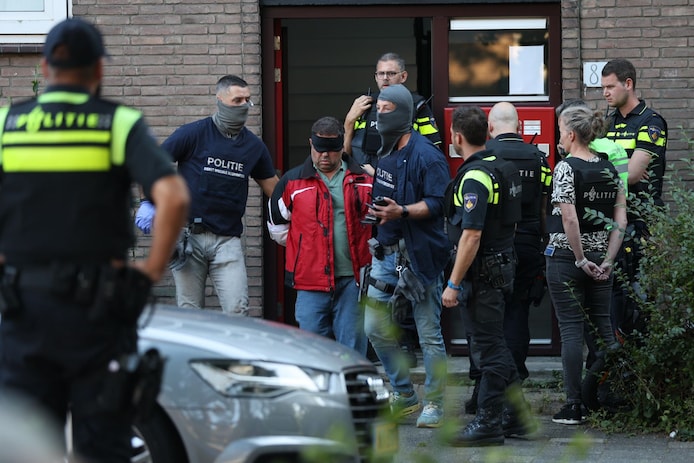
In this specific case, the relationship between the perpetrator and the victim—living in close proximity—played a role in the court’s assessment of the threat posed by the defendant. The defense had argued for a lighter sentence, citing various mitigating factors, but the court ultimately prioritized the protection of society and the severity of the offense.
Impact on the Community
The murder caused significant distress within the Rijswijk community, where neighbors expressed shock at the violence occurring in a familiar residential setting. Local law enforcement agencies, including the Dutch National Police, conducted a thorough investigation into the crime scene and gathered testimonies that proved critical during the trial. The victim’s family has been supported by victim assistance services throughout the legal process, which concluded with the final ruling this week.
For many residents, the sentencing brings a level of closure to a traumatic chapter that began with the discovery of the crime. Legal analysts observe that cases involving neighbors often highlight the complexities of residential safety and the limitations of personal disputes before they escalate to lethal violence.
What Happens Next
Following the delivery of the 30-year sentence, the defendant holds the right to appeal the verdict to the Court of Appeal. In the Dutch justice system, this would involve a secondary review of the evidence and the judicial process to ensure all procedures were followed correctly. As of now, no date for an appeal hearing has been scheduled by the judiciary.
The case remains a somber reminder of the ongoing efforts by the state to address violent crime and ensure that victims of domestic or neighborhood-based homicide receive justice. Further updates regarding the status of the incarceration or potential appeals will be made public through the official court portal.
Readers interested in following future developments regarding this case or broader legal updates in the Netherlands can monitor the official website of the Dutch judiciary. We encourage our readers to share their thoughts on the importance of judicial transparency and the handling of violent crime cases in the comments section below.
Keep reading