International diplomatic efforts centered on the G7 summit in Biarritz, France, brought together global leaders to address urgent geopolitical challenges, including tensions in the Strait of Hormuz and the status of international agreements regarding Iran’s nuclear program. The summit, which took place in August 2019, served as a forum for high-level discussions on maritime security and regional stability, with various heads of state and government representatives participating in the deliberations.
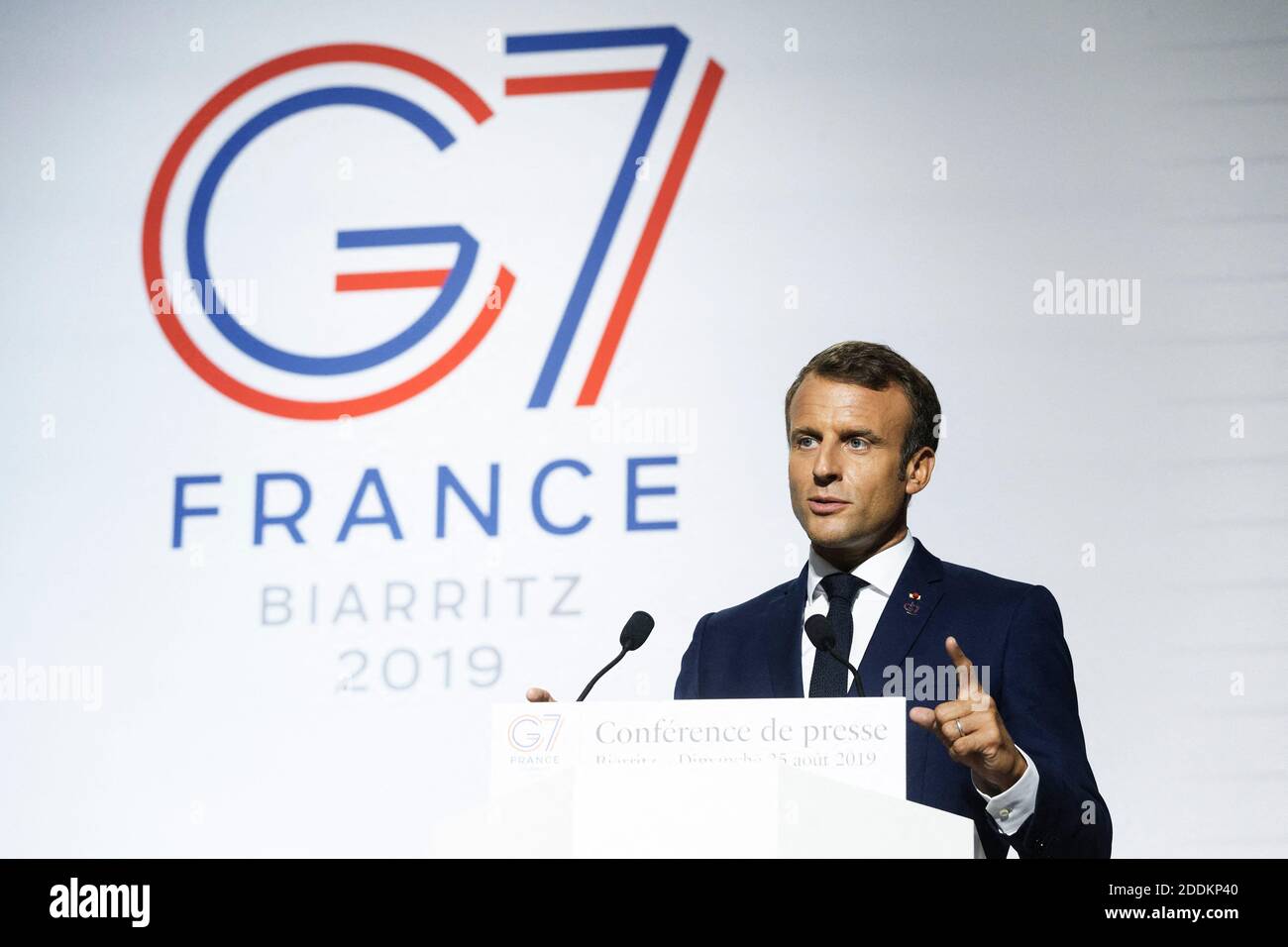
The G7 summit, hosted by then-French President Emmanuel Macron, saw leaders from the United States, Japan, Germany, the United Kingdom, Italy, and Canada convene to coordinate policy on global security and economic issues. According to the official records of the French Presidency, the summit focused on reducing inequality, protecting the environment, and addressing digital transformation, alongside the pressing security concerns involving the Middle East.
Geopolitical Tensions and Regional Security
A primary focus of the 2019 summit was the escalating situation in the Persian Gulf. Following the United States’ withdrawal from the Joint Comprehensive Plan of Action (JCPOA) in 2018, tensions between Washington and Tehran intensified, impacting global oil markets and regional navigation. As reported by Reuters, the G7 leaders engaged in extensive discussions regarding the impact of these tensions on the freedom of navigation in the Strait of Hormuz, a critical maritime chokepoint for global energy supplies.
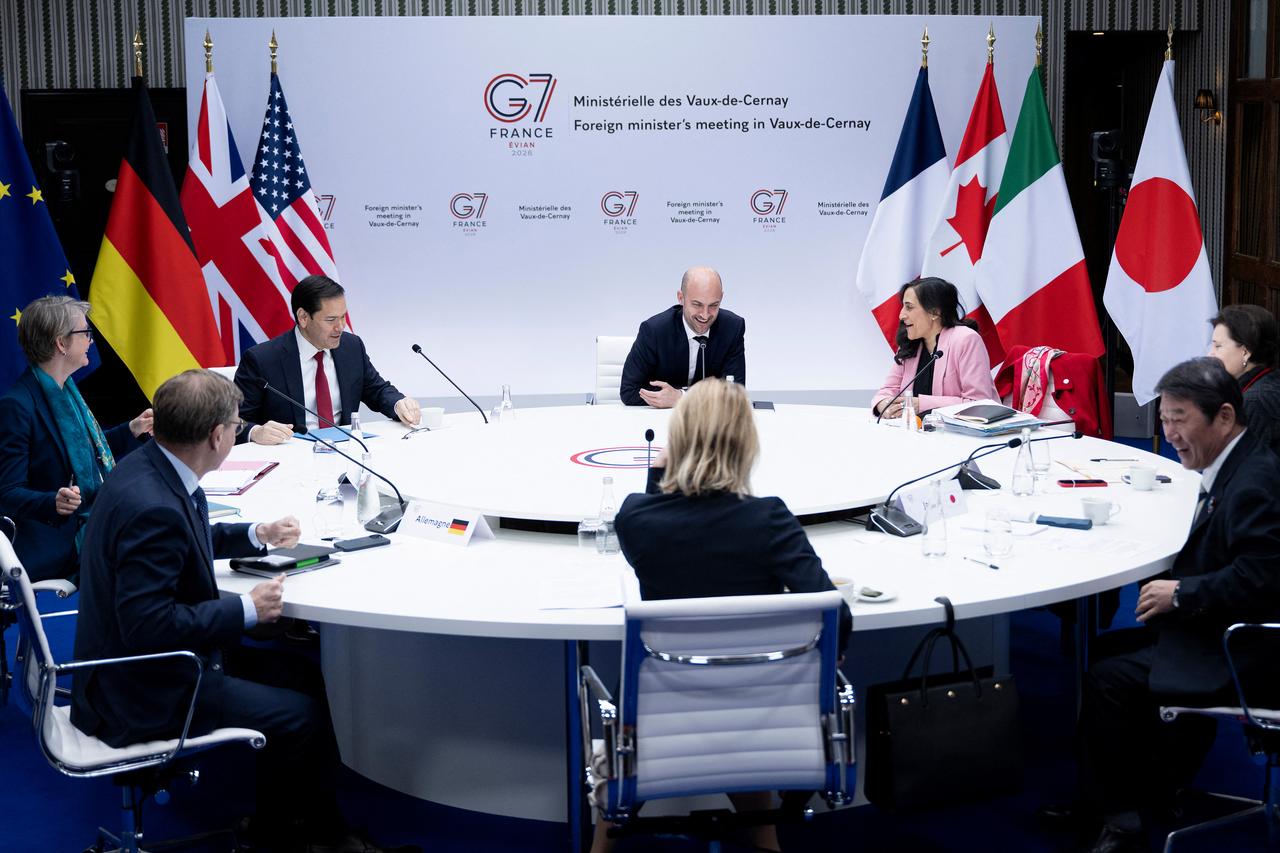
The discussions occurred against a backdrop of reported efforts by French diplomacy to facilitate a cooling of tensions. President Macron sought to find common ground between the U.S. administration and Iranian officials to prevent further escalation. The White House maintained its “maximum pressure” policy throughout this period, while seeking to ensure that international maritime routes remained open and secure for commercial shipping.
Diplomatic Engagements at the Biarritz Summit
The G7 summit also served as a venue for bilateral meetings between world leaders. During the event, the presence of various international delegations allowed for side-line discussions that complemented the formal multilateral agenda. The gathering provided a platform for leaders to communicate priorities directly, influencing the trajectory of the summit’s final declarations.

While the summit was primarily an assembly of the G7 member nations, the practice of inviting guest nations and regional partners expanded the dialogue. These interactions are standard protocol for G7 presidencies to ensure that global perspectives are represented in the consensus-building process. The European Council notes that such summits are essential for aligning the foreign policy objectives of the world’s leading economies on matters ranging from climate change to international security.
Addressing Global Economic and Environmental Policy
Beyond security, the summit addressed the necessity of global economic stability. Leaders discussed the potential consequences of trade disputes and the importance of maintaining a rules-based international order. The Organization for Economic Cooperation and Development (OECD) provided analysis to the participants regarding the economic outlook, emphasizing the risks posed by geopolitical instability to global growth projections.
Environmental sustainability was another cornerstone of the Biarritz agenda. The G7 members committed to addressing issues related to biodiversity and ocean protection. These commitments were documented in the summit’s final communiqués, which reflected a shared, albeit sometimes contested, vision for the future of international environmental governance. The emphasis on these topics highlighted the G7’s role in setting the global agenda for the following decade.
Looking Ahead: International Cooperation
The outcomes of the 2019 G7 summit underscored the complexities of modern multilateral diplomacy. By bringing together leaders with differing strategic interests, the summit functioned as a pressure valve for geopolitical tensions. The focus on the Strait of Hormuz and the Iran nuclear file illustrated the degree to which regional crises can dominate the global diplomatic discourse.
Future diplomatic efforts continue to build upon the frameworks established during such international summits. As global challenges evolve, the coordination between the G7 and other international partners remains a vital component of global governance. For updates on current G7 initiatives and future summit schedules, stakeholders are encouraged to consult the official G7 presidency portals for the most recent policy declarations and press releases.
We welcome your thoughts on the role of multilateral summits in resolving international disputes. Please share your insights and join the conversation in the comments section below.
Related reading