
Israel has rejected U.S. diplomatic pressure to withdraw its military forces from the southern Lebanon border, defying a ceasefire agreement brokered by Washington and raising fears of renewed conflict with Hezbollah. Officials in Jerusalem confirmed the decision despite reports that the U.S. had secured a temporary truce between Israel and the Iran-backed militant group, according to multiple sources familiar with the negotiations.
The standoff comes as regional tensions remain high following weeks of escalating cross-border clashes, including Hezbollah’s unprecedented attacks on Israeli military positions and civilian infrastructure. While the U.S. had reportedly promised Israel that Hezbollah would halt its rocket fire and cease military operations in southern Lebanon, Israeli Defense Forces (IDF) have made clear they will not abandon their forward positions near the Blue Line—a demarcation line established by the UN in 2000. “Israel’s security requirements remain unchanged,” said a senior Israeli official, speaking on condition of anonymity.
Analysts warn the impasse could derail fragile diplomatic efforts to prevent a full-scale war, with Lebanon’s fragile political situation adding another layer of complexity. Hezbollah, which holds significant political influence in Lebanon, has framed its military actions as a response to Israeli aggression, while Israel cites the group’s long-standing support for Palestinian militant factions as justification for its presence in southern Lebanon.
Why Israel Is Refusing to Withdraw Despite the Ceasefire Agreement
Israel’s refusal to retreat stems from three key security concerns, according to military and intelligence officials:
- Deterrence: The IDF argues that maintaining a presence near the border serves as a deterrent against future Hezbollah attacks. “Hezbollah has demonstrated it is willing to escalate,” said Reuters, citing Israeli military assessments that suggest Hezbollah has been emboldened by recent victories in Gaza and Syria.
- Hostage Situation: Israel has accused Hezbollah of holding Israeli citizens captive in southern Lebanon, a claim the group denies. The IDF has stated that withdrawing would leave these individuals vulnerable. “Our priority is the safety of our people,” an Israeli official told BBC News.
- Strategic Depth: The southern Lebanon border has long been a buffer zone for Israel. Military analysts, including those from the Institute for National Security Studies (INSS) in Tel Aviv, argue that pulling back would expose northern Israel to easier rocket and drone strikes.
The U.S. has not publicly commented on Israel’s refusal, but diplomatic sources suggest Washington is growing frustrated with Jerusalem’s intransigence. A State Department spokesperson declined to confirm whether the ceasefire agreement had been formally abandoned, stating only that “all parties must exercise restraint and work toward de-escalation.”
“The U.S. has been clear: Israel must show flexibility if we are to prevent a wider regional conflict. But Israel’s security calculus is not ours to dictate.”
— Anonymous U.S. official, Politico
Hezbollah’s Response: “Israel Is the Aggressor”
Hezbollah has dismissed Israel’s security concerns as pretexts for occupation, framing its military actions as defensive. In a statement released through its media arm, Al-Manar, the group accused Israel of violating the 2006 ceasefire agreement and warned that any withdrawal would be met with “immediate and decisive resistance.”
“Israel’s presence in southern Lebanon is illegal and must end,” said Hezbollah’s political bureau member, Mohammed Raad, in a televised address. “We will not allow Israel to dictate terms to Lebanon or the resistance.”
Lebanese officials, already grappling with an economic crisis and political instability, have largely avoided taking a public stance. However, sources close to the government have privately expressed concern that a prolonged standoff could trigger a humanitarian disaster, particularly in border regions already strained by displacement from the Syria conflict.
What Happens Next: Three Possible Scenarios
With no immediate breakthrough in sight, experts outline three potential trajectories for the crisis:
- Diplomatic Deadlock: The U.S. and Israel may continue behind-the-scenes negotiations, but without Israel’s willingness to withdraw, the ceasefire framework could collapse. Financial Times reports that European allies are pushing for a UN Security Council resolution to enforce the truce, but Israel has veto power.
- Escalated Clashes: If Hezbollah perceives Israel’s refusal as a green light for further attacks, cross-border violence could intensify. The IDF has already conducted airstrikes in southern Lebanon in recent days, killing at least 12 people, including civilians, according to Lebanese health officials.
- Regional Spillover: Iran, Hezbollah’s primary backer, could escalate its support for the group, potentially drawing in other proxies in Iraq, Syria, and Yemen. The U.S. has already warned of “serious consequences” if Iran expands its military activities in the region.
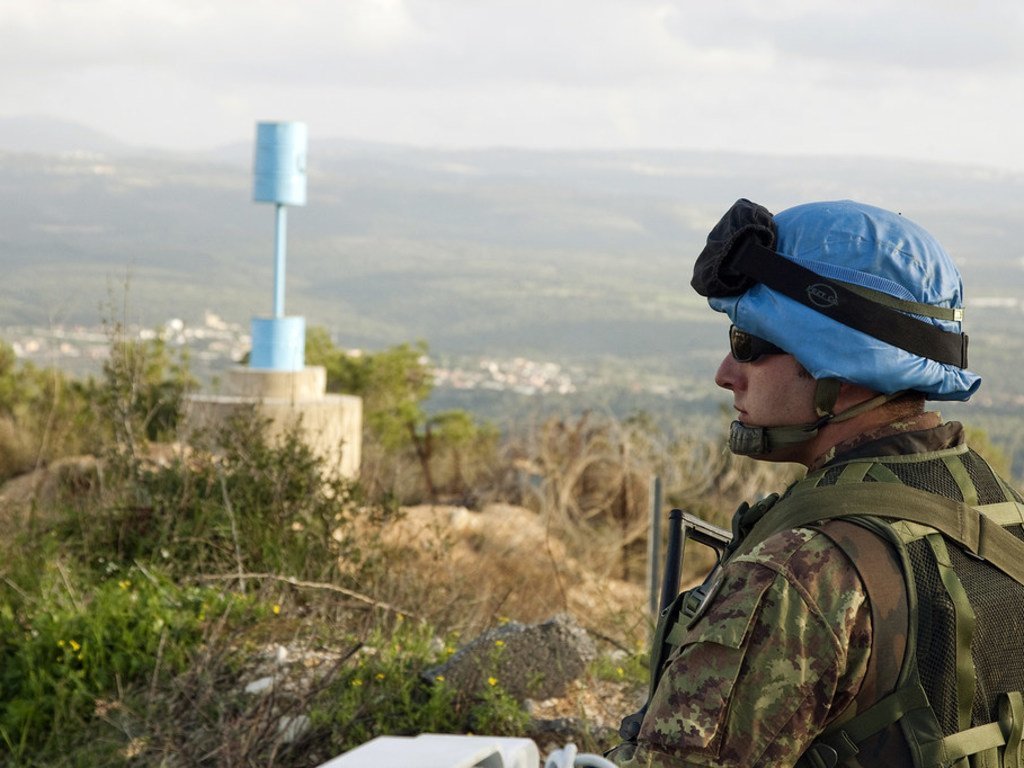
In the meantime, the UN Interim Force in Lebanon (UNIFIL) has reported increased tensions along the Blue Line, with both sides accusing each other of violating the ceasefire. “The situation remains volatile,” said UNIFIL spokesperson Major General Michael Beary in a statement, urging “maximum restraint” from all parties.
Key Takeaways
- Israel’s stance: Will not withdraw from southern Lebanon despite U.S.-brokered ceasefire, citing security concerns over Hezbollah attacks, hostage situations, and strategic depth.
- Hezbollah’s position: Rejects Israel’s presence as illegal and vows “decisive resistance” if forced to withdraw.
- U.S. frustration: Diplomatic sources indicate Washington is growing impatient with Israel’s refusal to compromise.
- Lebanon’s vulnerability: The country’s economic and political instability risks being further destabilized by border clashes.
- Regional risks: Iran’s potential escalation could drag in other proxies, raising fears of a wider conflict.
- Next steps: UNIFIL monitoring continues, but no clear path to de-escalation exists without Israel’s cooperation.
How This Crisis Compares to Past Conflicts in the Region
The current standoff echoes tensions from the 2006 Lebanon War, when Hezbollah’s cross-border attacks led to a 34-day conflict that killed over 1,000 people and displaced hundreds of thousands. However, this time, the dynamics are different:
| Factor | 2006 Lebanon War | Current Crisis (2024) |
|---|---|---|
| Hezbollah’s Capabilities | Rockets, anti-tank missiles, limited drone use. | Advanced drones, precision-guided missiles, and improved command structures. |
| Israel’s Military Response | Airstrikes, artillery, ground incursion into Lebanon. | Targeted airstrikes, cyber operations, and preparations for potential ground operations. |
| International Involvement | UNIFIL deployed post-war to monitor ceasefire; limited U.S. diplomatic role. | Active U.S. mediation, potential EU-led peacekeeping push, and Iranian backing for Hezbollah. |
| Lebanon’s Government | Weak but stable enough to avoid collapse. | Deep political divisions, economic crisis, and risk of state failure. |
One critical difference is the absence of a clear political solution. In 2006, the conflict ended with a UN-backed ceasefire and Israel’s withdrawal from most of Lebanon. Today, with Lebanon’s government paralyzed and Hezbollah’s influence unchecked, there is no obvious off-ramp for diplomacy.
What You Need to Know: Practical Updates
For readers following this developing situation, here are key resources and next steps:

- Official Updates:
- UNIFIL’s latest reports on ceasefire violations.
- Israeli Defense Forces (IDF) statements on military operations.
- U.S. State Department briefings on diplomatic efforts.
- Humanitarian Aid:
- The UN Refugee Agency is monitoring displacement risks in southern Lebanon.
- International Red Cross has warned of potential medical emergencies along the border.
- Travel Advisories:
- The U.S. State Department has issued a Level 4: Do Not Travel advisory for northern Israel and southern Lebanon.
- The UK Foreign Office has similarly advised against all but essential travel to the region.
Next Confirmed Checkpoint: April 10, 2024
The next critical juncture in the crisis is expected on April 10, 2024, when the U.S. and its allies are set to convene an emergency meeting of the UN Security Council to discuss the Lebanon border situation. Sources indicate that France and Germany are pushing for a resolution that would demand Israel’s withdrawal, though Israel’s veto power makes this outcome uncertain.
In the absence of a diplomatic breakthrough, military analysts predict that Hezbollah will likely continue limited attacks to test Israel’s resolve, while Israel may escalate its airstrikes to pressure the group into negotiations. Meanwhile, Lebanon’s already fragile political landscape could face further destabilization if the crisis drags on.
For real-time updates, follow World Today Journal‘s coverage of the Middle East, where we will provide live reporting as developments unfold.
What do you think will happen next? Share your analysis in the comments below, and don’t forget to follow for further updates.
Keep reading