
At the recent Turning Point USA (TPUSA) Women’s Leadership Summit, speaker Erika Kirk characterized the organization’s engagement with conservative politics as a fundamentally religious endeavor, asserting to attendees that the movement’s objectives are “not political, it’s biblical.” The summit, held to mobilize young conservative women, underscored a growing trend of integrating theological frameworks into modern American political activism.
This perspective represents a significant alignment between grassroots conservative groups and religious advocacy. According to the Pew Research Center, the intersection of religious identity and political ideology remains a defining factor in American voter behavior, particularly within evangelical and traditionalist demographics. By framing policy goals through a biblical lens, organizers at events like the TPUSA summit seek to move beyond traditional legislative debate, positioning their cause as a moral imperative for their base.
The Evolution of Faith-Based Political Mobilization
The rhetoric employed by speakers at the TPUSA Women’s Leadership Summit reflects a broader strategy among right-leaning organizations to cultivate a distinct cultural identity. By emphasizing that their work is “biblical,” organizers aim to provide participants with a sense of purpose that transcends standard electoral cycles. This approach often involves linking specific social policies—such as those regarding education, family structure, and individual rights—to scriptural interpretation.
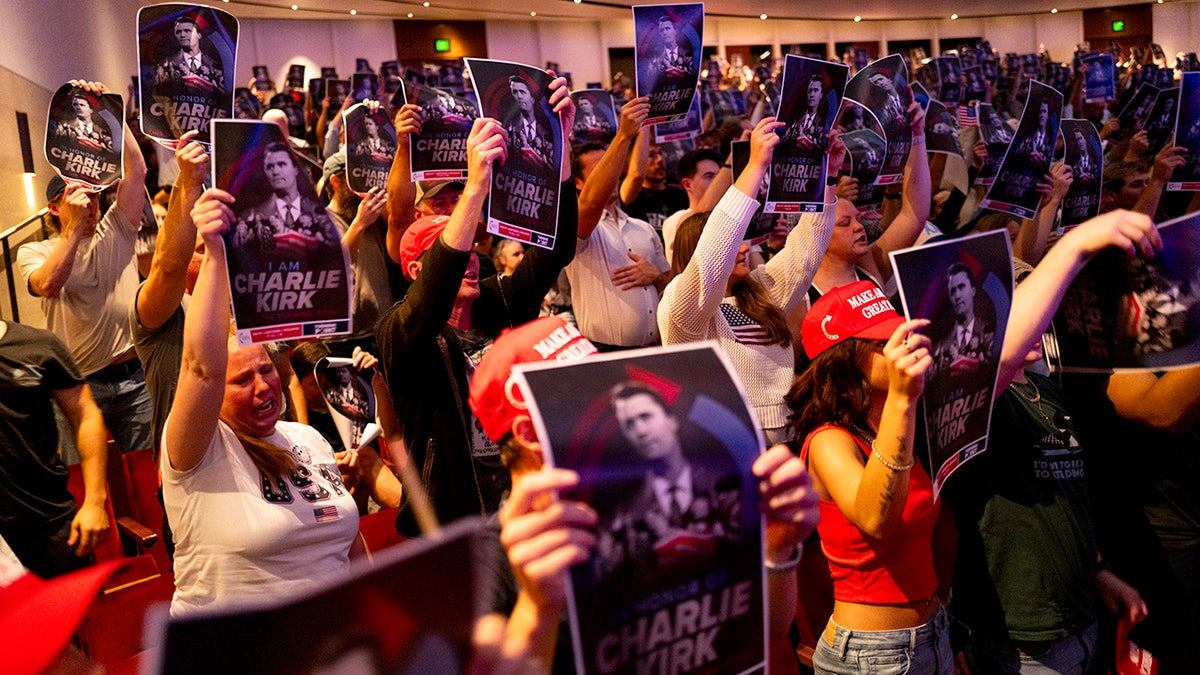
Political science researchers have noted that this “faith-first” messaging is a response to shifting cultural norms. As detailed in reports by the Brookings Institution, the movement toward faith-based political engagement is not merely a reactionary measure but a proactive effort to reshape public discourse. For young women in the TPUSA orbit, this messaging serves to consolidate a community identity that is both politically active and spiritually grounded.
Defining the “Biblical” Framework in Modern Activism
When speakers describe their involvement as “not political,” they are often referring to a rejection of compromise-based, institutional politics. Instead, the focus is placed on the preservation of traditional values, which they define as immutable. This distinction is critical for understanding the intensity of the engagement seen at these summits. Rather than viewing policy as a matter of negotiation, proponents view it as a matter of adherence to established religious principles.
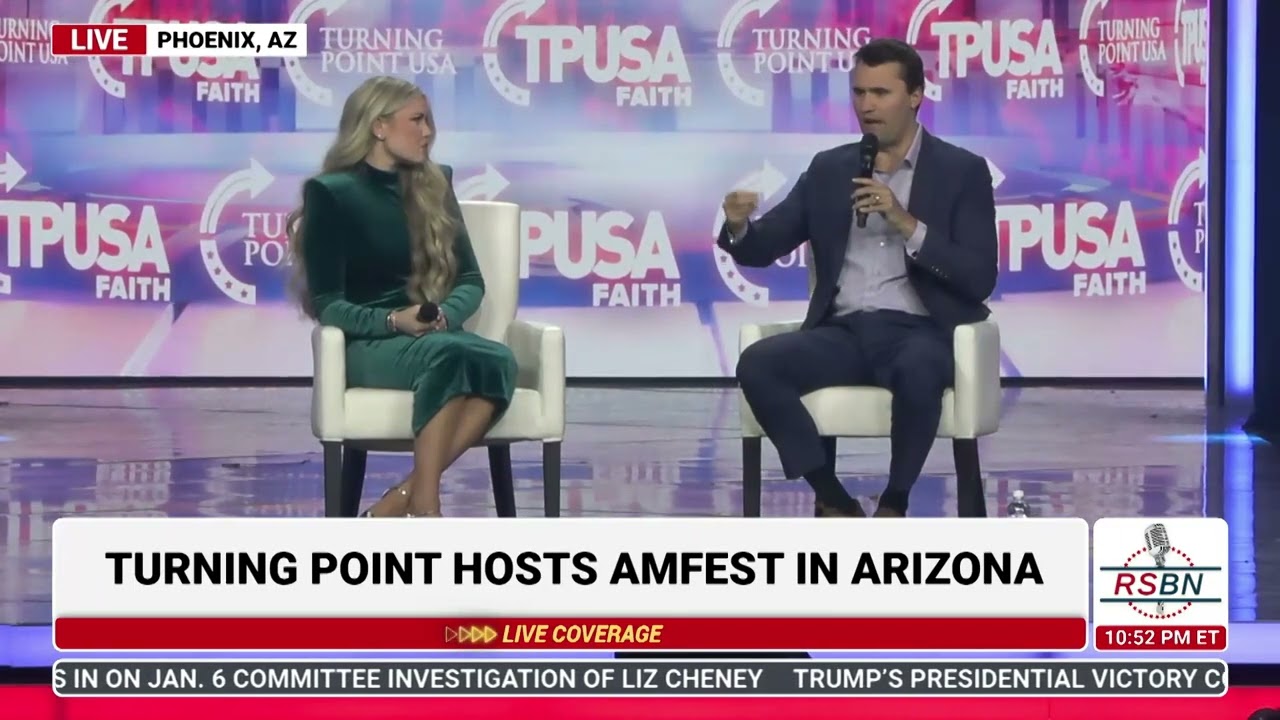
This framework impacts how these groups interact with legislative bodies. According to analysis from the Cato Institute, the insistence on religious foundations for public policy can create friction within traditional legislative processes, as it leaves less room for the incrementalism often required to pass bills in a pluralistic society. Participants are encouraged to view their political participation as an extension of their faith, effectively making their voting record and activism a reflection of their personal piety.
Impact on Youth Engagement and Future Cycles
The strategy of targeting young women with this messaging appears designed for long-term retention. By framing political involvement as a core component of one’s religious life, organizers create a high-stakes environment where disengagement feels like a compromise of faith. This is a departure from traditional political outreach, which often relies on economic or security-based appeals.
Data from the U.S. Election Assistance Commission, which tracks voter turnout and registration trends, suggests that high-intensity, identity-based mobilization is increasingly effective at securing consistent turnout in local and national elections. The TPUSA Women’s Leadership Summit acts as a training ground where these young women are provided with the rhetorical tools to translate this “biblical” conviction into local activism, such as school board participation and state-level advocacy.
Looking Ahead: The Next Political Checkpoints
As the political calendar moves toward the upcoming election cycles, the influence of these faith-based mobilization strategies will likely become more visible in primary races and local ballot initiatives. Observers should monitor the official platforms and candidate endorsements emerging from organizations like TPUSA to see how these theological arguments are applied to specific, pressing legislative issues. The next major test for this movement will be the efficacy of its grassroots organizing in the next national election cycle, where voter turnout data will reveal the reach of this messaging.
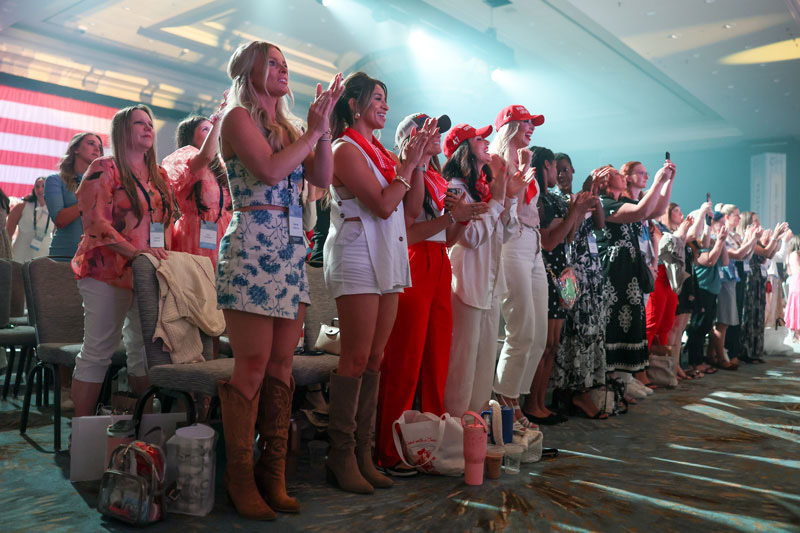
We welcome our readers to share their perspectives on the role of faith in modern political discourse. Please join the conversation in the comments section below to discuss how these trends may shape the future of global political landscapes.
Worth a look