The upcoming 2026 FIFA World Cup, the first in history to feature a 48-team format, is expected to serve as a significant platform for the integration of K-pop into global sporting ceremonies. As host venues across North America, including Los Angeles’ SoFi Stadium, prepare for the tournament, industry analysts are tracking the potential for South Korean musical influence to play a central role in the event’s opening and closing spectacles.
While official lineups for the tournament’s musical performances have not been released by FIFA, the cultural landscape suggests a shift toward more diverse, globalized entertainment. The intersection of massive sporting events and K-pop’s global dominance represents a strategic opportunity for organizers to engage younger, digitally native audiences across the United States, Canada, and Mexico.
How will the 2026 FIFA World Cup reshape global entertainment?
The 2026 FIFA World Cup will be the largest iteration of the tournament to date, expanding from 32 to 48 participating nations. This expansion is designed to increase global viewership and participation, according to official FIFA documentation regarding the tournament’s evolution. The scale of the event necessitates an entertainment strategy that transcends traditional Western pop music to include genres with massive, concentrated fanbases, such as K-pop.
The tournament is scheduled to be hosted by three nations: the United States, Canada, and Mexico. This North American hosting arrangement places the event in the heart of the world’s largest music markets. For K-pop artists, who have already demonstrated significant commercial success in the United States through stadium tours and high-profile collaborations, the World Cup offers an unprecedented stage for cultural diplomacy and brand expansion.
Industry trends indicate that major sporting events are increasingly moving away from singular, localized performances in favor of multi-genre, multi-national collaborations. The presence of K-pop icons on a global stage like the World Cup would align with the tournament’s goal of maximizing international engagement and digital streaming metrics.
What role does K-pop play in modern stadium culture?
K-pop has evolved from a regional genre into a dominant force in the global music industry, characterized by high-production values and massive, organized fan engagement. Artists such as Blackpink’s Lisa have demonstrated the ability to command stadium-sized audiences, a capability that is highly relevant to the logistics of a World Cup opening ceremony. Lisa’s solo ventures and her group’s global reach have established a precedent for K-pop’s viability in high-capacity venues like SoFi Stadium in Inglewood, California.
The “fandom economy” associated with K-pop provides a level of guaranteed engagement that traditional pop acts may not replicate. K-pop fanbases are known for their ability to drive social media trends and streaming numbers, which are critical metrics for FIFA as it seeks to maintain relevance in a rapidly changing media environment. The integration of these artists into sporting events can serve to bridge the gap between traditional sports broadcasting and modern digital consumption.
Furthermore, the visual and performance-heavy nature of K-pop aligns with the high-spectacle requirements of FIFA’s ceremonial segments. The use of synchronized choreography, advanced stage technology, and multilingual lyrics—often incorporating Korean alongside English—reflects the multicultural reality of the modern global audience.
Why is SoFi Stadium a focal point for the upcoming tournament?
SoFi Stadium has been confirmed as a key host venue for the 2026 FIFA World Cup. Located in Inglewood, California, the venue is one of the most technologically advanced stadiums in the world, designed to host massive-scale entertainment events. Its capacity and state-of-the-art infrastructure make it a primary candidate for high-profile ceremonies and matches involving the tournament’s most prominent participants.
The selection of Los Angeles as a host city highlights the importance of the Southern California market, which serves as a cultural melting pot and a gateway for international trends. The proximity of Los Angeles to major entertainment hubs ensures that any event held at SoFi Stadium will receive significant global media coverage. This makes the venue a strategic asset for FIFA in its efforts to showcase the host nations’ ability to manage large-scale, culturally diverse events.
As the tournament approaches, the logistical planning for venues like SoFi Stadium will focus not only on match-day operations but also on the massive entertainment requirements that accompany the world’s most-watched sporting event. The ability to host diverse musical acts, including those from the K-pop industry, is a key component of the venue’s value proposition for the 2026 cycle.
The economic impact of cultural crossovers
The convergence of K-pop and major international sports carries significant economic implications. The “Hallyu” or Korean Wave has become a measurable driver of economic growth for South Korea, impacting sectors ranging from music and fashion to food and technology. When K-pop artists participate in global events, they act as ambassadors for a broader cultural ecosystem.
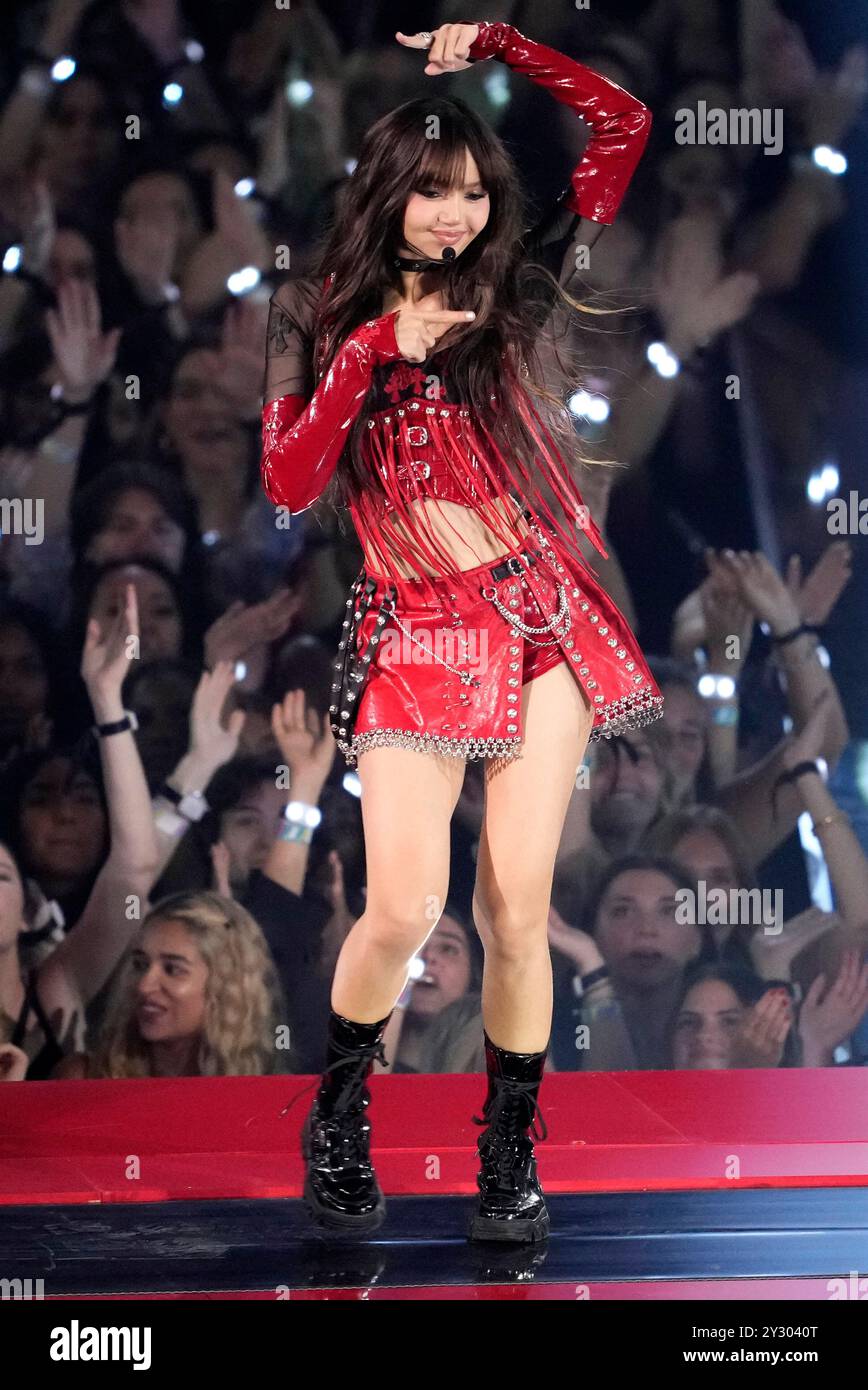
For FIFA, the economic benefit of integrating K-pop lies in the ability to tap into the high spending power of K-pop fans. This demographic is known for its loyalty and its willingness to invest in merchandise, digital content, and event-related experiences. A successful integration could lead to increased sponsorship opportunities from brands looking to reach the intersection of sports fans and K-pop enthusiasts.
The following table illustrates the projected growth areas for the 2026 World Cup era:
| Sector | Growth Driver | Impact Level |
|---|---|---|
| Digital Media | K-pop fan engagement and streaming | High |
| Tourism | International fans traveling to host cities | Very High |
| Sponsorship | Cross-industry brand partnerships | High |
| Merchandising | Hybrid sports and music apparel | Medium |
Key Takeaways for the 2026 World Cup
- Format Expansion: The tournament will expand to 48 teams, necessitating a larger-scale entertainment and broadcasting strategy.
- Host Venues: SoFi Stadium in Los Angeles is confirmed as a major host venue, emphasizing the importance of the North American market.
- Cultural Integration: K-pop’s global influence makes it a primary candidate for future discussions regarding tournament opening ceremonies.
- Digital Engagement: The intersection of K-pop fandom and sports viewership offers a significant opportunity for driving digital and social media growth.
As the 2026 FIFA World Cup preparation continues, all eyes will be on FIFA’s official announcements regarding host city logistics and entertainment partnerships. While no official musical lineup has been confirmed, the trend toward globalized, multi-genre entertainment remains a central pillar of the tournament’s long-term strategy.
The next scheduled update regarding FIFA’s 2026 host city operational details is expected in late 2024.
What do you think about the potential for K-pop at the World Cup? Share your thoughts in the comments below and share this article with your network.