
Smart canteen management systems are transforming workplace dining by integrating mobile ordering technology with structured feedback loops. These systems utilize a “weekly announcement and monthly evaluation” model to ensure transparency in nutritional planning and accountability in food safety and service quality.
Large-scale institutional dining facilities are increasingly adopting digital solutions to manage staff meals, moving away from traditional manual processes toward integrated “smart canteen” frameworks. These systems prioritize two core functions: digital accessibility through mobile applications and a rigorous, data-driven oversight mechanism designed to respond to employee feedback in real time.
The implementation of these digital tools aims to bridge the communication gap between catering providers and employees. By moving meal selection and feedback to mobile platforms, organizations are attempting to standardize dining services while improving the overall nutritional standards of the workplace environment.
How do the weekly and monthly dining mechanisms function?
The management model relies on a dual-layered schedule to maintain consistency and transparency. According to reports on institutional dining upgrades, the first layer is a weekly announcement process. Under this system, facilities publish popular, nutrition-focused menus for the upcoming week. This allows employees to plan their meals in advance and provides the kitchen staff with more accurate projections of meal demand, which can help reduce food waste.
The second layer consists of a monthly evaluation cycle. Rather than relying on anecdotal complaints, the system requires formal satisfaction assessments from the workforce. These monthly reviews are designed to provide a structured data set that management can use to adjust catering operations. This cycle ensures that the dining service remains dynamic rather than static, responding to the changing preferences and health requirements of the staff.
What metrics are used to evaluate canteen performance?
To ensure the monthly evaluations provide actionable data, the assessment process focuses on three specific dimensions of service. These metrics allow administrators to pinpoint exactly where a catering provider may be failing to meet institutional standards.
- Food Safety: This remains the primary priority, focusing on hygiene standards, ingredient sourcing, and the prevention of contamination during preparation and service.
- Dish Quality: This metric assesses the taste, freshness, temperature, and nutritional balance of the food provided.
- Service Quality: This evaluates the efficiency of the staff, the cleanliness of the dining area, and the overall professionalism of the catering team.
By scoring these three categories, management can implement targeted improvements. For example, if monthly scores indicate a decline in service quality despite high marks for food safety, the facility can focus on staff training or increasing the number of service personnel during peak hours without unnecessarily altering the kitchen’s food procurement processes.
Why is mobile ordering becoming a standard in workplace dining?
The shift toward “mobile ordering” (掌上点菜) addresses several logistical challenges inherent in large-scale employee dining. Traditional methods often result in long queues during peak lunch hours, which can impact employee productivity and morale. Mobile platforms allow employees to place orders remotely, significantly reducing wait times and streamlining the flow of people through the dining hall.
Beyond convenience, mobile technology facilitates the collection of the aforementioned feedback. When an employee uses an app to order a meal, the platform can immediately prompt them to rate that specific dish or service experience. This creates a continuous stream of data that is far more granular than a traditional once-a-month paper survey. This real-time data collection is a cornerstone of the digital transformation currently seen in corporate and institutional catering services globally.
Furthermore, the integration of digital menus allows for better nutritional transparency. As employees become more health-conscious, the ability to view caloric content and ingredient lists on a mobile device provides a level of autonomy that traditional dining halls cannot offer. This alignment of corporate dining with broader wellness trends is a key driver behind the adoption of smart canteen technologies.
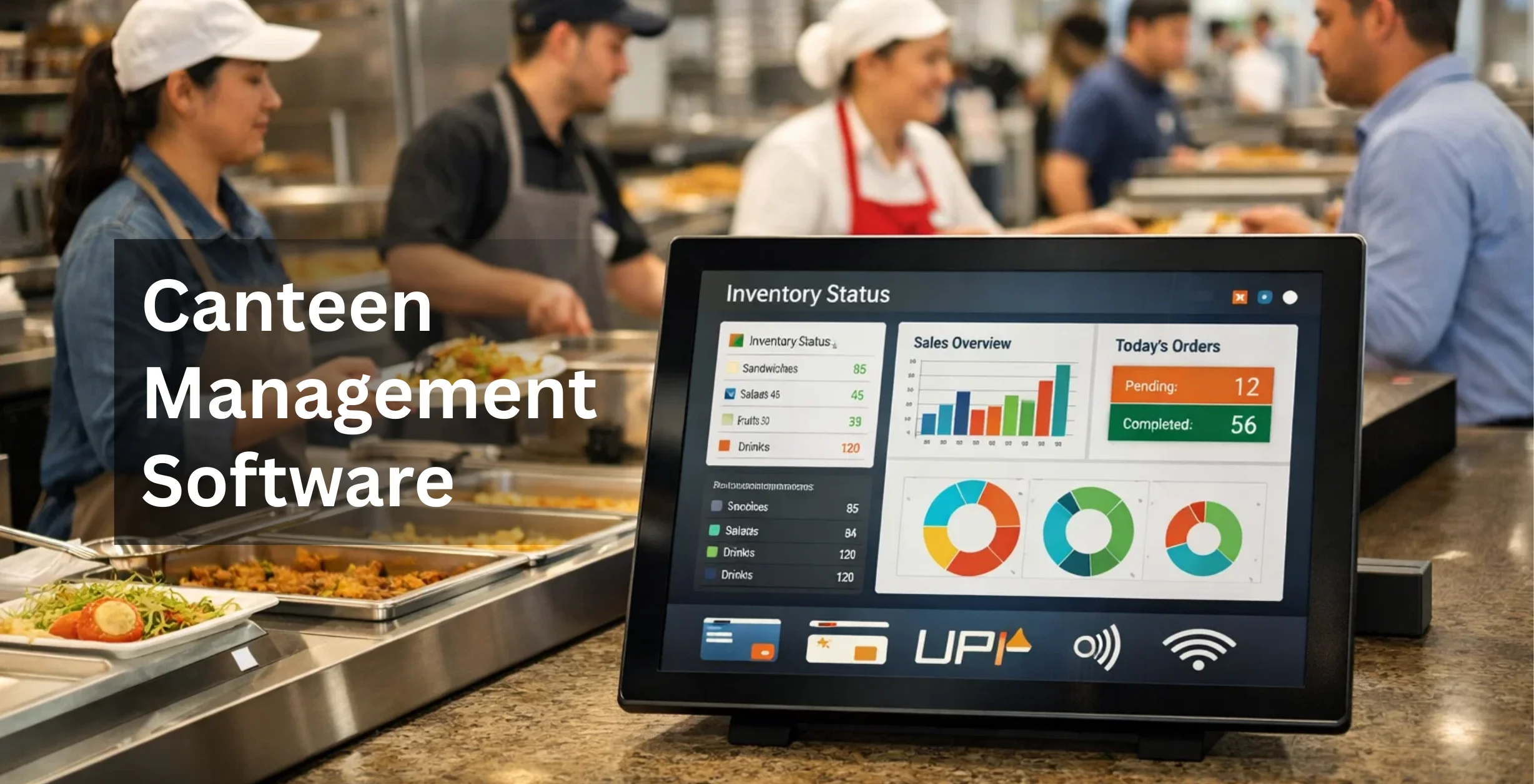
The next phase of these digital rollouts typically involves the integration of automated payment systems and advanced inventory management to further reduce operational costs. Organizations currently implementing these systems are expected to review their first full cycle of monthly satisfaction data to determine necessary adjustments to catering contracts.
What are your thoughts on the move toward digital dining in the workplace? Share your experience with smart canteen technology in the comments below and share this article with your network.
Related reading