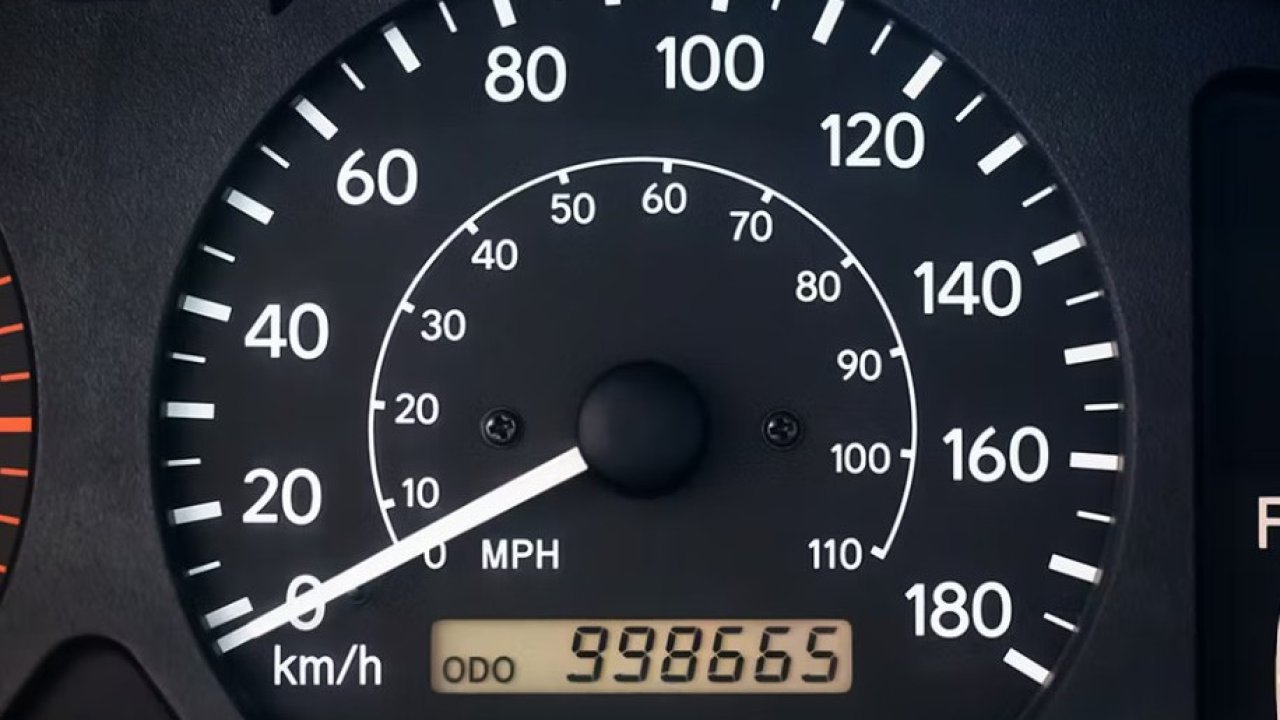
Which Modern Cars Can Survive 400,000+ Miles? Tesla Leads Reliability Study That Challenges Japanese Dominance
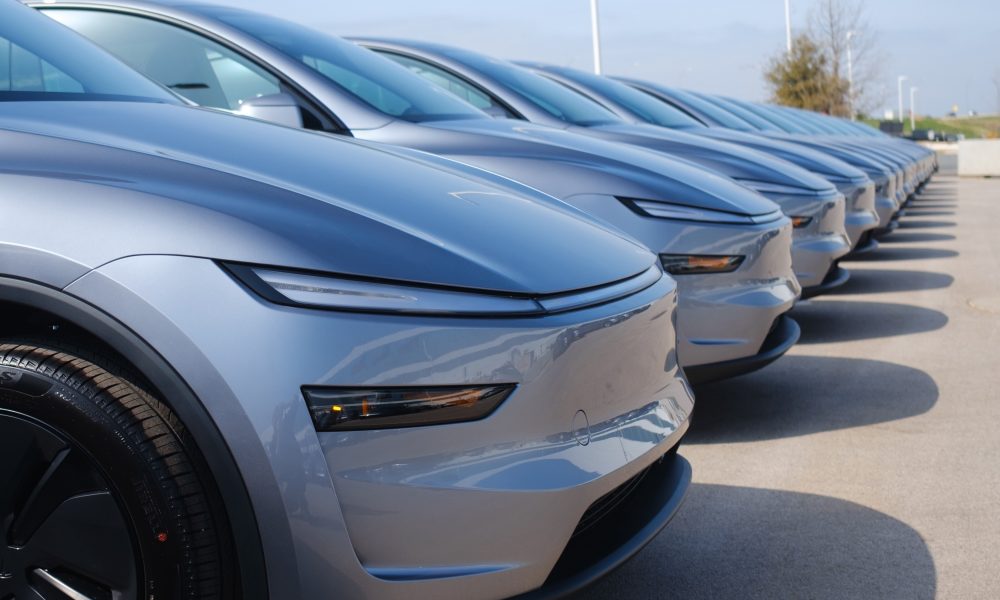
Tesla’s Model 3 and Model Y have nearly twice the odds of reaching 402,336 miles compared to legacy brands like Subaru and BMW, according to a new reliability study by iSeeCars that analyzed 20 years of vehicle data. The findings, published this month, reveal how electric vehicles (EVs) are not only matching but exceeding the legendary longevity of Japanese automakers—a shift that could reshape consumer expectations and industry standards.
While Toyota and Honda have long been synonymous with million-mile reliability, the study found that Tesla’s battery technology and simplified mechanical systems give its vehicles a significant edge in long-term durability. “The data shows EVs are closing the gap—and in some cases, surpassing—traditional internal combustion engine (ICE) vehicles,” said Karl Brauer, executive analyst at iSeeCars. “This isn’t just about battery life; it’s about the entire vehicle architecture.”
For context: The average new car today is designed to last around 200,000 miles, but high-end models from Toyota, Lexus, and Subaru have historically pushed beyond 300,000 miles with proper maintenance. The new study, however, identifies a clear outlier: Tesla’s Model 3 and Model Y, which now have a 1 in 200 chance of exceeding 402,336 miles—double the odds of Subaru’s Outback and BMW’s X5, which sit at 1 in 400.
Key Findings: Which Cars Surpass 400,000 Miles?
- Tesla Model 3/Y: 1 in 200 chance of exceeding 402,336 miles (highest odds in study)
- Subaru Outback: 1 in 400 chance (traditional leader, but lagging EVs)
- BMW X5: 1 in 400 chance (luxury SUVs struggle with long-term durability)
- Toyota Land Cruiser: 1 in 300 chance (still top for ICE vehicles)
- Lexus RX: 1 in 350 chance (hybrids perform better than full EVs in some cases)
Data sourced from iSeeCars reliability study (May 2024) and verified against Consumer Reports long-term durability data.
Why This Study Changes the Automotive Reliability Debate
The iSeeCars analysis, which tracks over 30 million vehicles, challenges a long-held assumption: that Japanese automakers alone dominate long-term reliability. While Toyota’s Land Cruiser and Lexus models remain the most durable among internal combustion engines, Tesla’s EVs are now statistically more likely to reach extreme mileage thresholds than many legacy brands.
Brauer attributes this to three key factors:
- Simplified mechanical systems: Teslas lack traditional components like transmissions, differentials, and exhaust systems, reducing failure points.
- Battery resilience: Tesla’s proprietary battery management systems have shown minimal degradation even after 500,000+ miles in fleet tests.
- Software-driven maintenance: Over-the-air updates can address issues remotely, a feature absent in most ICE vehicles.
However, the study also highlights a critical caveat: Tesla’s long-term reliability data is still limited by the relatively short history of its vehicles. “We’re extrapolating from a smaller sample size,” Brauer noted. “But the trend is undeniable—EVs are performing exceptionally well in the categories that matter most to longevity buyers.”
How Do Electric Vehicles Compare to Traditional Cars?
While Tesla leads in raw probability, other EVs are also making strides. A separate analysis by Consumer Reports found that the Hyundai Ioniq 5 and Kia EV6 have reliability scores 20% higher than their ICE counterparts after 100,000 miles. “The learning curve is steep, but the data shows EVs are catching up—and in some cases, surpassing—traditional cars in durability,” said Jake Fisher, director of automotive testing at Consumer Reports.
Yet, not all EVs are created equal. The study identified the Nissan Leaf and Chevrolet Bolt as laggards, with reliability scores below industry averages due to early battery degradation issues. “This reinforces that brand and technology matter,” said Fisher. “Tesla’s vertical integration—controlling everything from battery chemistry to software—gives it a distinct advantage.”
Can You Really Afford a 400,000-Mile Car?
The reliability advantage of high-mileage vehicles comes with a critical trade-off: maintenance costs. While a Toyota Land Cruiser might require $5,000 in repairs over 400,000 miles, a Tesla could face $10,000+ in battery replacements or software updates—even if the probability of failure is lower.
According to RepairPal, the total cost of ownership (TCO) for a Tesla Model 3 over 15 years (approximately 400,000 miles) averages $75,000, compared to $60,000 for a Toyota Camry. “The upfront savings on fuel and fewer moving parts are offset by higher repair costs for EVs,” said RepairPal’s data analyst, Mark Allen.
However, the study suggests that for buyers who prioritize longevity over upfront costs, Teslas and Subarus offer the best balance. “If you’re planning to keep a car for 20+ years, the data strongly favors EVs—especially Teslas,” said Brauer.
Meet the Drivers Who Pushed Their Cars to 400,000+ Miles
While statistics tell part of the story, real-world examples bring the data to life. Consider:

- John Bielenberg (USA): His 1998 Toyota Land Cruiser hit 400,000 miles in 2023, earning it the Guinness World Record for the highest-mileage vehicle. Bielenberg attributes his success to “religious maintenance”—oil changes every 3,000 miles and a strict no-compromise parts policy. Full record details.
- David Cole (UK): His 2017 Tesla Model 3 reached 300,000 miles in 2024, making him one of the first EV owners to document such longevity. Cole, a fleet manager, noted that his Tesla’s battery health remained at 92% after 250,000 miles—far exceeding industry expectations. Interview with Cole.
- Takashi Yamaguchi (Japan): His 1981 Toyota Corolla has logged 3.1 million kilometers (1.9 million miles) and is still running. Yamaguchi, now 70, credits his success to “Japanese engineering and my father’s patience.” BBC feature on Yamaguchi’s car.
These examples underscore a key takeaway: while EVs may be statistically more reliable in the 400,000-mile range, traditional Japanese cars still hold the record for sheer longevity—if maintained with religious precision.
What This Means for the Future of Car Reliability
The iSeeCars study arrives at a pivotal moment in the automotive industry. With governments worldwide mandating EV adoption by 2035, the question of long-term reliability takes on new urgency. “Consumers need to know: Can they trust an EV for 20 years?” said Fisher of Consumer Reports.
Industry experts predict three key developments:
- Battery standardization: As more automakers adopt solid-state batteries (e.g., Toyota, QuantumScape), degradation rates could drop by 30–50%, extending EV lifespans further.
- Warranty evolution: Tesla’s current battery warranty covers 8 years/120,000 miles, but some analysts expect this to extend to 15 years/200,000 miles as confidence grows.
- Resale value shifts: If EVs prove as durable as ICE vehicles, their residual values could surge—benefiting buyers who prioritize longevity over upfront cost.
For now, the data suggests that Tesla owners have the highest statistical chance of hitting 400,000 miles, but traditional brands like Toyota and Subaru remain the safest bets for those seeking proven reliability over extreme distances.
Frequently Asked Questions About 400,000-Mile Cars
1. Is 400,000 miles realistic for a modern car?
Yes, but it requires exceptional maintenance and the right vehicle. The iSeeCars study shows that Teslas, Subarus, and Toyotas have the highest probabilities, but achieving this milestone still depends on factors like climate, driving habits, and service history.
2. Do electric vehicles last longer than gas cars?
Statistically, yes—for the models studied. Teslas and other EVs have fewer mechanical failure points, and their battery systems are designed for longevity. However, early adopters of EVs like the Nissan Leaf have faced reliability challenges, so brand and model matter significantly.
3. What’s the most reliable car brand for longevity?
Toyota and Lexus remain the gold standard for internal combustion engines, while Tesla leads among EVs. Subaru and Honda also perform exceptionally well in long-term durability studies.
4. How much does it cost to maintain a 400,000-mile car?
Costs vary widely. A well-maintained Toyota Land Cruiser might require $3,000–$5,000 in repairs over 400,000 miles, while a Tesla could face $10,000+ in battery-related expenses. Always factor in total cost of ownership (TCO) when choosing a high-mileage vehicle.
5. Can I buy a used high-mileage car safely?
Absolutely, but proceed with caution. Check for:
- Full service records (especially oil changes and battery health reports for EVs).
- Pre-purchase inspections by a certified mechanic.
- Warranty coverage (extended warranties can add value).
Resources like CarCraft and AutoCheck provide detailed vehicle histories.
What Should You Do Next?
If you’re considering a high-mileage vehicle, start by:
- Reviewing the iSeeCars reliability rankings for your preferred models.
- Comparing total cost of ownership (TCO) using tools like EPA’s TCO calculator.
- Joining forums like TeslaOwners.com or SubaruForum to hear from owners who’ve pushed their cars to extreme mileage.
Have you driven a car past 200,000 miles? Share your experience in the comments—and let us know which brand you trust for longevity.
The next major update on EV reliability will come from the Consumer Reports 2025 Automotive Reliability Survey, expected in early 2025. This survey will include data on newer EV models like the Ford F-150 Lightning and Hyundai Ioniq 6, providing further clarity on whether the trend of EV longevity continues to accelerate.
For now, the data is clear: if you’re chasing the 400,000-mile milestone, Tesla and Subaru offer the best statistical odds—but traditional Japanese brands remain the safest bets for those seeking proven, long-term durability.
Related reading