
The UK government has introduced what officials describe as the “world’s strictest” social media protections for children under 16, banning them from using platforms entirely and prohibiting live-streaming features—a move aimed at addressing rising concerns over online safety, mental health, and cyberbullying. The legislation, set to be finalized by late 2024, will require age verification checks and impose fines on platforms that fail to comply, marking a sharp departure from voluntary industry standards.
According to a government press release from June 2024, the Online Safety Bill will mandate that all social media companies—including Meta (Facebook/Instagram), TikTok, and Snapchat—implement age-gating systems to block under-16s from accessing their services. The bill also introduces a global first: a ban on live-streaming for minors, a feature increasingly linked to risks like grooming and self-harm challenges.
While the legislation has been widely praised by child safety advocates, critics warn of practical challenges, including enforcement and potential workarounds. Tech companies have yet to detail how they will implement the age verification systems, which must comply with strict data protection laws. The UK’s Information Commissioner’s Office (ICO) has emphasized that any verification method must not collect unnecessary personal data from children.
Why Is the UK Taking This Step?
The UK’s push for stricter online regulations follows years of mounting evidence about the harms social media can pose to young users. A 2023 report by the UK’s Office of Communications (Ofcom) found that nearly half of children aged 12–15 reported feeling anxious or depressed due to online interactions. Additionally, a 2022 parliamentary inquiry highlighted cases where live-streaming platforms were exploited for grooming and radicalization.

Unlike previous attempts—such as the EU’s Digital Services Act, which focuses on content moderation—the UK’s approach is uniquely aggressive in its age-based restrictions. “This isn’t just about filtering harmful content; it’s about preventing children from being on these platforms at all,” said Dame Rachel de Souza, the UK’s Children’s Commissioner, in a statement to The Guardian. “The evidence is clear: younger children are particularly vulnerable to the design features of social media, which prioritize engagement over safety.”
What Will the Ban Actually Look Like?
The legislation will require social media companies to:

- Block under-16s entirely: Platforms must use age verification tools—such as government-approved ID checks or parental consent systems—to prevent access. The ICO has stated that biometric verification (e.g., facial recognition) will only be permitted if it meets strict privacy safeguards.
- Disable live-streaming for minors: Even if a child is 16 or older, live-streaming features will be restricted unless the platform can verify the user’s age through additional checks. This targets platforms like Twitch and TikTok Live, where risks of exploitation are highest.
- Face fines for non-compliance: Companies that fail to implement these measures could be fined up to £18 million ($23 million) or 10% of their global revenue, whichever is higher. This financial incentive is designed to force compliance, though critics argue it may disproportionately affect smaller platforms.
One key detail still under discussion is how parents will be notified if their child attempts to bypass restrictions. The government has not yet confirmed whether it will require platforms to alert guardians of failed age verification attempts—a measure some child safety groups have advocated for.
How Does This Compare to Other Countries?
The UK’s approach stands out globally. While other nations have introduced social media regulations, none have gone as far as an outright age ban:
- European Union: The Digital Services Act (DSA) requires platforms to remove illegal content but does not mandate age restrictions. France has proposed a 15-year-old minimum for social media, but it has not been enacted.
- United States: The Children’s Online Privacy Protection Act (COPPA) restricts data collection from under-13s but does not ban access to platforms. California’s Age-Appropriate Design Code Act (2024) requires better privacy settings but stops short of a full ban.
- Australia: A voluntary 14-year-old minimum was introduced in 2021, but enforcement relies on parental controls rather than legal bans.
According to a 2024 analysis by the BBC, the UK’s legislation is the first to treat social media access for under-16s as a legal right to be restricted, rather than a matter of parental choice. “This is a seismic shift,” said Jim Killock, executive director of the UK’s Open Rights Group. “It sets a precedent that other countries may follow—but it also raises questions about who gets to decide what’s ‘safe’ for children.”
What Happens Next?
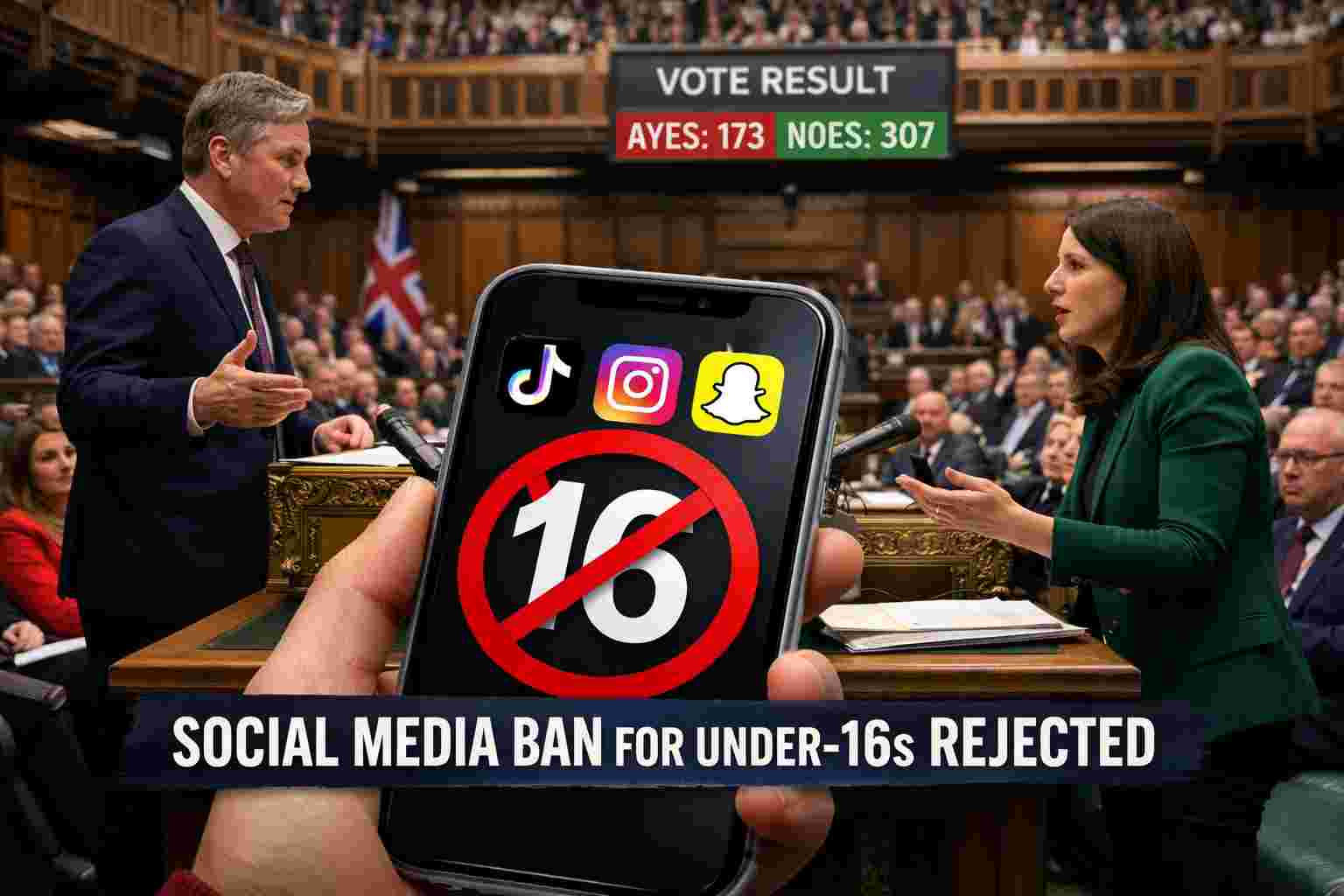
The Online Safety Bill is currently undergoing its final stages in the UK Parliament, with a target completion date of October 2024. Once passed, the government will work with tech companies to implement the age verification systems, with a 12-month transition period before fines are enforced.
In the meantime, parents and educators are advised to:
- Prepare for potential disruptions to existing accounts (e.g., Instagram or TikTok profiles for teens under 16 may be restricted or deleted).
- Explore alternative platforms designed for younger users, such as YouTube Shorts (with parental controls) or Roblox, which have stricter age gates.
- Monitor updates from the UK’s Department for Culture, Media and Sport (DCMS), which will publish guidance for parents and platforms.
The next major checkpoint is the House of Lords committee stage, scheduled for July 15–19, 2024, where amendments to the bill may be proposed. Tech industry lobby groups, including the Internet Service Providers’ Association (ISPA), have signaled they will push for exemptions for educational use.
Key Takeaways
- The UK will ban under-16s from social media entirely, including live-streaming—a global first.
- Platforms must implement age verification by October 2024 or face fines up to 10% of global revenue.
- Parents should prepare for potential account restrictions and explore age-appropriate alternatives.
- The legislation is more restrictive than similar laws in the EU, US, and Australia.
- Final approval is expected by late 2024, with enforcement beginning in 2025.
As the bill moves toward finalization, debates will intensify over its effectiveness and unintended consequences. While child safety advocates hail it as a necessary step, privacy experts warn of overreach. One thing is certain: the UK’s approach will be watched closely by governments worldwide as they grapple with the same challenges.
What are your thoughts on the UK’s social media ban for under-16s? Share your views in the comments below or on our Sports & Culture forum. For updates on the bill’s progress, follow the UK government’s official updates.
Related reading