
The best power meters of 2026 include pedal-based systems like the Favero Assioma for rapid installation, spider-based units like Quarq for maximum precision, and crank-based options like Stages for cost-effective integration. Cyclists select models based on their specific discipline, prioritizing durability for gravel and mountain biking or weight and accuracy for road racing.
Power meters have transitioned from professional-only tools to essential equipment for amateur cyclists aiming to quantify training loads. By measuring the mechanical work performed during a pedal stroke, these devices provide real-time wattage data, allowing riders to manage intensity, monitor fatigue, and optimize training through metrics like Functional Threshold Power (FTP).
As the 2026 cycling season progresses, the market has bifurcated into specialized categories: pedals, cranks, and spiders. Each category offers distinct advantages regarding installation complexity, data reliability, and price points. Understanding these mechanical differences is the first step in selecting a device that fits a specific riding style.
How do pedal, crank, and spider power meters differ?
The method used to capture torque and cadence determines a power meter’s installation requirements and its susceptibility to environmental factors. Most modern sensors utilize strain gauges—tiny electrical resistors that change resistance when deformed by the force of a pedal stroke—to calculate power.
Pedal-based power meters attach directly to the pedal spindle. These are highly regarded for their versatility because they can be moved between different bicycles without changing the drivetrain. According to technical specifications from manufacturers like Favero and Garmin, pedal-based systems are often the easiest to install and can provide dual-sided measurements, capturing the power output of both the left and right legs independently.

Crank-based power meters integrate the sensor directly into one or both of the crank arms. Brands such as Stages and 4iiii utilize this method to provide a lightweight and often more affordable solution. Because the sensor is part of the crank arm, it is well-protected from debris, though replacing or upgrading the unit often requires changing the crankset itself.
Spider-based power meters mount between the crank arms and the chainrings. This position is widely considered the gold standard for accuracy by professional teams and high-level enthusiasts. By measuring the force applied to the spider, the device captures the total torque of the drivetrain. High-end models from Quarq and SRM utilize this method to minimize errors caused by lateral movement or drivetrain fluctuations.
Best power meters for road racing and performance
Road cyclists typically prioritize weight reduction and highly granular data to manage precise efforts during climbs and sprints. In this category, accuracy and the ability to monitor left/right power balance are paramount.
1. Quarq D Quarq (Spider-Based)
The Quarq spider remains a primary choice for riders seeking high-precision data. By measuring the force applied to the chainrings, it offers a level of accuracy that is difficult to match with pedal-based systems. The device is designed to work with various Shimano and SRAM drivetrains, making it a versatile option for those willing to invest in a spider-based setup. Its ability to maintain accuracy across varying temperatures makes it a reliable tool for year-round training.
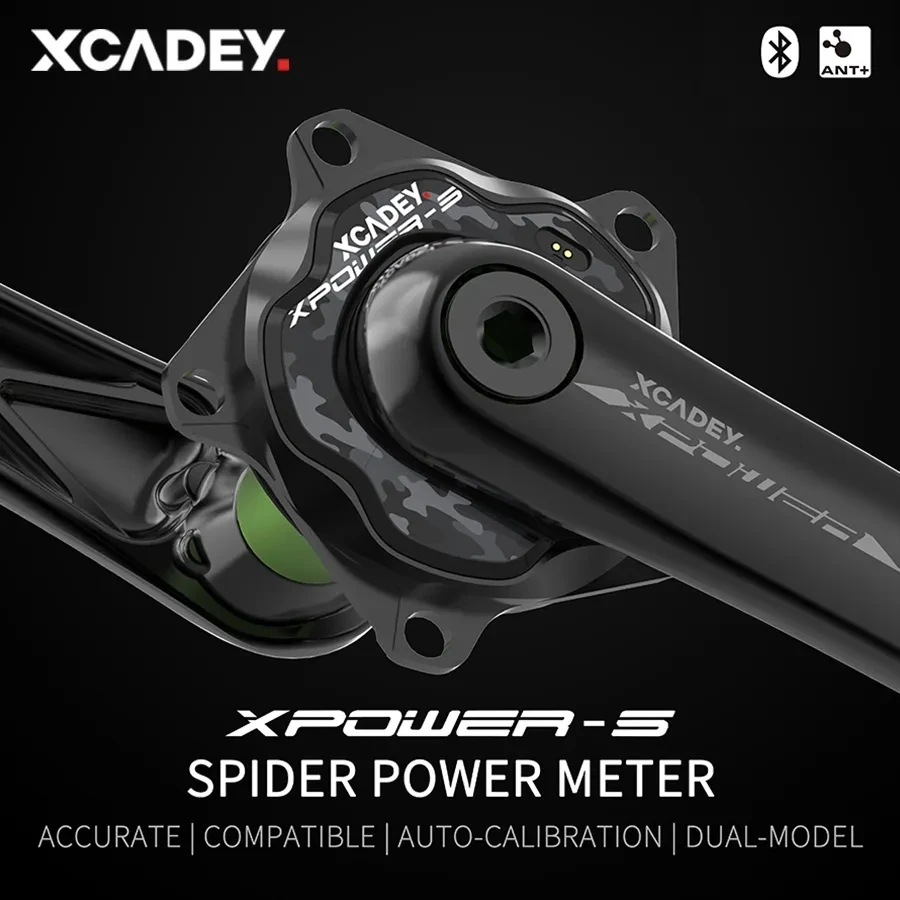
2. Shimano Dura-Ace/Ultegra Integrated (Spider-Based)
For riders using Shimano ecosystems, integrated power meters offer a seamless experience. These units are built directly into the crankset, ensuring that the weight penalty is minimal. Because they are part of the official Shimano component line, they provide exceptional reliability and integration with Shimano-compatible head units and electronic shifting systems.
3. SRM Racing (Spider or Crank-Based)
SRM has a long-standing reputation in the professional peloton. Their systems are engineered for extreme durability and laboratory-grade precision. While they carry a higher price tag, the reliability of an SRM system is a standard in professional WorldTour racing. They are often used by athletes who require a dedicated, high-performance ecosystem that can withstand the rigors of professional-level training volumes.
Best power meters for gravel and mountain biking
Gravel and mountain bikers face different challenges than road cyclists, including increased vibration, mud, water exposure, and the frequent use of single chainring (1x) drivetrains. Durability and environmental sealing are the most critical factors for these disciplines.
4. Favero Assioma (Pedal-Based)
The Favero Assioma has gained significant traction in the gravel community due to its robust construction and ease of use. As a pedal-based system, it is highly resistant to the mud and debris common in off-road riding. The Assioma provides dual-sided power measurement, allowing riders to identify imbalances that might be exacerbated by technical terrain. Its ability to be swapped between a gravel bike and a road bike makes it an excellent value for multi-discipline athletes.
5. Garmin Rally (Pedal-Based)
Garmin’s Rally series is designed for riders who want deep integration with the Garmin ecosystem. These pedals are highly durable and feature excellent connectivity via ANT+ and Bluetooth. For mountain bikers, the Rally series offers a reliable way to track power without the risk of damaging a delicate crankset during a crash. The pedals are also highly regarded for their battery life and ease of setup through the Garmin Connect app.
6. 4iiii Precision (Crank-Based)
For mountain bikers using 1x drivetrains, the 4iiii Precision crank-arm power meter offers a lightweight and highly compatible solution. By replacing a standard crank arm with a sensor-equipped one, riders can add power measurement without the complexity of a spider-based system. This is particularly useful for MTB riders who want to keep their drivetrain as simple and robust as possible while still obtaining accurate training data.
Value and entry-level options
Not every cyclist requires professional-grade precision, and many are looking for ways to begin training with data without a massive financial investment.
7. Stages Cycling (Crank-Based)
Stages has established itself as a leader in the entry-level and mid-range market. Their crank-based power meters are widely compatible with many different brands of cranksets, making them an accessible entry point for new riders. While they may not reach the extreme precision of an SRM or Quarq system, they provide sufficient accuracy for most fitness-oriented cyclists looking to track their progress and manage their training intensity.
Comparison of power meter types
| Feature | Pedal-Based | Crank-Based | Spider-Based |
|---|---|---|---|
| Installation Ease | Very High | Moderate | Low to Moderate |
| Accuracy | High | Moderate to High | Very High |
| Durability | High | Very High | High |
| Versatility | High (Moveable) | Low (Fixed to Crank) | Moderate (Fixed to Drivetrain) |
| Primary Use | Gravel, MTB, Multi-bike | Budget, MTB, 1x setups | Road Racing, Pro Training |
What to consider before buying a power meter
When selecting a power meter, riders should evaluate several technical specifications to ensure the device meets their training needs and hardware compatibility.

Connectivity and Compatibility
Most power meters use ANT+ and Bluetooth. ANT+ is the industry standard for connecting to cycling computers like Garmin Edge or Wahoo ELEMNT. Bluetooth is useful for connecting directly to smartphone apps or indoor training platforms like Zwift. Ensure that your chosen device is compatible with both your head unit and your preferred training software.
Left/Right Power Balance
Dual-sided power measurement allows you to see how much effort each leg contributes to the total wattage. This is critical for identifying muscular imbalances that could lead to injury or inefficient pedaling technique. While single-sided measurement is more affordable, dual-sided measurement is highly recommended for serious training.
Battery Life and Charging
Power meters are powered by either replaceable coin-cell batteries (like the CR2032) or internal rechargeable batteries. Pedal-based systems often use replaceable batteries, which is convenient for long adventures, whereas crank and spider systems may require a charging cable. Check the expected battery life to ensure it aligns with your riding frequency.
Environmental Sealing
For gravel and mountain bikers, the IP (Ingress Protection) rating is vital. A higher rating indicates better resistance to dust and water. Ensure that any pedal or crank-based system you purchase is rated for the wet and muddy conditions you expect to encounter during your rides.
The next major update regarding power meter technology is expected following the upcoming international cycling championship season, where new sensor integrations are often debuted. For more detailed reviews and technical breakdowns, follow our sports technology updates.
Do you have questions about which power meter is right for your bike? Share your thoughts or questions in the comments below and share this article with your riding group.
Related reading
- London Spirit Eliminated from The Hundred After Record-Breaking Lord’s Clash vs MI London
- SLAC Researchers Capture First Sequence of Coster-Kronig Decay in Molecules
- Beat the Phoenix Heat: Why San Diego Is the Ultimate Summer Escape (news-usa.today)
- Senegal to Build New Prisons in Malicounda and Louga With 25 Billion CFA Budget (archyde.com)