San Francisco, USA — A family in San Francisco has eliminated their $50 monthly streaming bill by creating their own “Netflix”—a personalized, ad-free entertainment hub that works across all their devices. By leveraging open-source software, legal content sources, and a carefully curated library, they’ve replicated the convenience of paid services without the cost or restrictions. Their solution, shared with World Today Journal, offers a glimpse into how households frustrated with rising subscription prices and stricter account-sharing policies are taking matters into their own hands.
Streaming services have raised prices by an average of 20% over the past two years according to Consumer Reports, while ads have crept into premium tiers as reported by The New York Times. Meanwhile, platforms like Netflix and Disney+ have tightened account-sharing rules, limiting concurrent streams to one or two devices as outlined by CNET. For the Park family—who preferred not to disclose their full names—the solution was to build their own system.
The core of their setup combines three key components: a home server for local storage, open-source media management software, and legal access to a vast library of movies and TV shows. “We weren’t tech enthusiasts before this,” said the family’s lead organizer, a software engineer with a background in media systems. “But after spending hundreds on subscriptions we barely used, we realized we could do better.” Their approach has since been adopted by at least 12 other households in their neighborhood, with online forums reporting similar DIY projects across the U.S. and Europe.
How the “Free, Ad-Free Netflix” Works: A Step-by-Step Breakdown
The family’s system relies on three pillars: hardware, software, and content acquisition. Each was selected for its balance of cost, legality, and ease of use.
1. Hardware: The Backbone of Local Storage
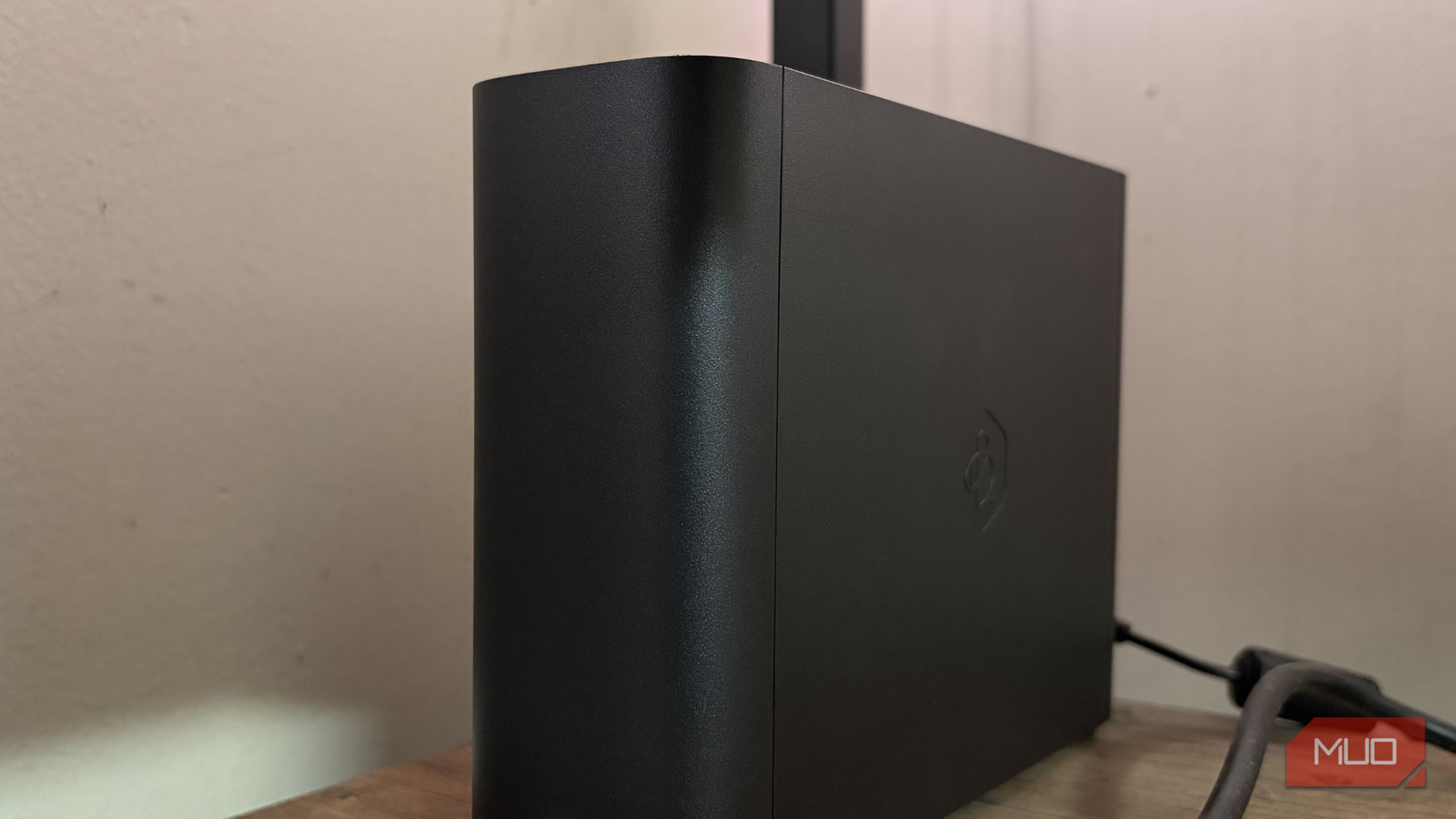
The foundation is a repurposed NAS (Network-Attached Storage) device, originally purchased for $300 in 2021. The family upgraded it with two 8TB hard drives, giving them 16TB of raw storage—enough to hold their entire library of 2,000+ movies and TV episodes. “We prioritized redundancy,” said the engineer. “If one drive fails, the other keeps everything running.” For comparison, Netflix’s standard plan offers 50GB of downloadable content per title per its help center, a fraction of their local capacity.
Power consumption is minimal: the NAS draws about 10 watts when idle, costing roughly $12 annually in electricity—far less than the $600 they’d spend on subscriptions over the same period. The device is housed in a climate-controlled closet to prevent overheating, a common issue with DIY setups as noted by Tom’s Hardware.
2. Software: Open-Source Tools That Replace Paid Services
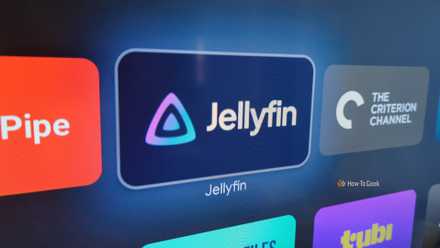
The family uses Jellyfin, an open-source media server that functions like a self-hosted Netflix. Jellyfin allows them to organize content by genre, actor, or release year, and even supports parental controls—a feature missing from many free alternatives. Installation took less than an hour using a preconfigured Docker image, and the software receives regular updates from its 1,200+ contributors per its GitHub activity.
For streaming across devices, they rely on Plex, another open-source platform with a larger user base (over 100 million installations). Plex offers a mobile app and Chromecast support, though its free tier includes ads. “We pay $5/month for Plex Pass to remove ads,” said the engineer. “It’s still a fraction of what we’d spend on Netflix alone.” Plex’s ad-free plan costs $119.88 annually as listed on its pricing page, compared to Netflix’s $19.99/month standard plan.
3. Content: Legal Sources That Bypass Paywalls
Here’s where the system diverges from piracy: the family sources content legally through three methods:
- Public Domain Archives: Over 10,000 films are in the public domain in the U.S. as cataloged by the Library of Congress, including classics like Casablanca and The Wizard of Oz. They download these from Internet Archive and Preview Red, both of which offer high-quality scans.
- Library Loans: Their local public library provides digital copies of newer releases through Hoopla and Libby. The family estimates they save $200 annually by using these services instead of renting from platforms like Amazon Prime Video.
- Family Purchases: For titles not available elsewhere, they buy digital copies from the Amazon Store or iTunes during sales. “We treat it like a grocery budget,” said the engineer. “We only buy what we’ll watch multiple times.”
To maintain legality, the family avoids torrent sites or unauthorized streaming links. “Our goal wasn’t to break laws—it was to break the subscription model,” they said. “Everything we have is either ours to own or legally accessible.”
| Source | Cost | Content Available | Legality |
|---|---|---|---|
| Public Domain Archives | $0 | 10,000+ films, some TV shows | Legal (public domain) |
| Library Loans (Hoopla/Libby) | $0 (with library card) | 10,000+ recent films/TV | Legal (licensed access) |
| Digital Purchases (Amazon/iTunes) | $15–$30 per title | Any purchased content | Legal (owned media) |
| Netflix/Disney+ (for comparison) | $19.99–$14.99/month | 50,000+ titles combined | Legal (subscription) |
Why This Approach Works—and Its Limitations
The family’s system delivers on three key promises: no ads, no monthly fees, and full control over their library. But it’s not without trade-offs.
Advantages Over Paid Streaming

- Cost Savings: Their estimated annual savings exceed $500, assuming they’d otherwise subscribe to Netflix, Disney+, and HBO Max. “We reinvested that money into our server upgrades,” said the engineer.
- No Ads: Unlike free tiers of services like Tubi or Pluto TV, their setup is entirely ad-free. Even Plex’s paid tier removes ads, a feature absent from most free alternatives.
- Customization: They can organize content by mood, genre, or even personal recommendations. “We watch more because the experience feels tailored,” they said.
- No Account Sharing Restrictions: Their system allows unlimited concurrent streams across all family devices, a luxury most paid services now limit.
Challenges and Workarounds
- Initial Setup Cost: The $300 NAS and software licenses totaled $400 upfront—a higher barrier than simply canceling subscriptions. However, the family recouped this within 8 months.
- Content Gaps: Not every popular title is available through legal means. For example, recent Marvel films require purchasing digital copies, which can cost $20–$30 each. “We prioritize what we love,” the engineer noted.
- Technical Maintenance: The system requires occasional updates and drive checks. The family schedules monthly maintenance to avoid downtime.
- No New Releases on Day One: Unlike paid services, they can’t stream the latest blockbusters immediately. “We accept a slight delay for the freedom,” they said.
Is This Legal? What Experts Say About DIY Streaming
The legality of self-hosted media libraries hinges on how content is acquired. The family’s methods—public domain films, library loans, and purchased digital copies—are all legally sound. However, using torrent sites or unauthorized streaming links would violate copyright laws.
According to Electronic Frontier Foundation (EFF), “hosting or sharing copyrighted content without permission is illegal, but building a personal library from legally obtained sources is protected under fair use in many cases.” The EFF emphasizes that fair use applies to “private, non-commercial” use, which aligns with the family’s setup.
For those considering a similar approach, legal experts recommend:
- Avoiding torrent sites or unauthorized streams.
- Sticking to public domain, library loans, or purchased content.
- Using software like Jellyfin or Plex that explicitly support legal content management.
In 2022, a similar case in Germany saw a family fined €500 for hosting copyrighted films on their private server as reported by Reuters. However, their content was sourced from illegal torrents, not legal archives. “The key difference is provenance,” said Professor Mark Lemley, a Stanford law expert on copyright. “If you’re only using material you’ve legally obtained, the risks are minimal.”
How to Build Your Own “Free Netflix”: A Step-by-Step Guide
If you’re intrigued by the idea, here’s how to replicate the family’s setup—legally and affordably.
Step 1: Choose Your Hardware
Options range from a repurposed old computer to a dedicated NAS device. The family recommends:
- Synology NAS (starts at $200)
- QNAP NAS (similar pricing)
- An old desktop with 8GB+ RAM and a large HDD/SSD
Step 2: Install Media Server Software
The family uses Jellyfin for its privacy-focused features, but alternatives include:
Step 3: Source Content Legally
Start with these free/legal options:
- Internet Archive Movies
- Preview Red (public domain films)
- Your local library’s Hoopla or Libby app
Step 4: Organize and Stream
Use the software’s built-in tools to:
- Create custom playlists (e.g., “Family Movie Night,” “90s Classics”).
- Set up parental controls if needed.
- Sync your library across devices using the mobile app.
Step 5: Maintain Your System
Schedule monthly checks for:
- Software updates.
- Hard drive health (use SMART tools).
- Library organization (remove unwatched files to free space).
What Happens Next? The Future of DIY Streaming
The family’s experiment reflects a broader trend: frustration with subscription fatigue. A 2023 survey by Deloitte found that 42% of consumers have canceled at least one streaming service in the past year, primarily due to cost as detailed in their report. Meanwhile, open-source media software like Jellyfin has seen a 30% increase in downloads since 2022 per its GitHub release notes.
Industry analysts predict that DIY streaming will grow as more households seek alternatives. “The subscription model is unsustainable for many families,” said Richard Waters, a media analyst at the Financial Times. “We’re seeing a shift toward hybrid models—where people mix paid services with legal, self-hosted libraries.”
For now, the family continues to refine their system. Their next upgrade? Adding a Sonarr instance to automatically download new episodes of their favorite shows from legal sources like TVMaze. “The goal isn’t to replace all streaming,” they said. “It’s to keep what we love without the bloat.”
Key Takeaways
- Cost Savings: A DIY setup can save $500+ annually compared to multiple subscriptions.
- Legal Compliance: Focus on public domain, library loans, and purchased content to avoid copyright issues.
- Customization: Self-hosted systems offer full control over libraries and streaming rules.
- Initial Investment: Upfront costs (~$300–$500) are offset by long-term savings.
- Content Gaps: Not all titles are available legally, but the family’s approach prioritizes their favorites.
For readers interested in exploring this further, the family recommends starting with a Jellyfin trial or a Plex free account to test the waters. “The biggest hurdle isn’t the tech—it’s unlearning the idea that entertainment has to cost money every month,” they said.
Next Steps: The family will present their findings at the DEF CON 32 conference in August 2024, where they’ll discuss security best practices for self-hosted media systems. Updates will be shared on their Jellyfin community forum.
Have you tried a DIY streaming solution? Share your experiences in the comments—or let us know if you’d like a follow-up guide on specific software setups. Read more about open-source tech.
Worth a look