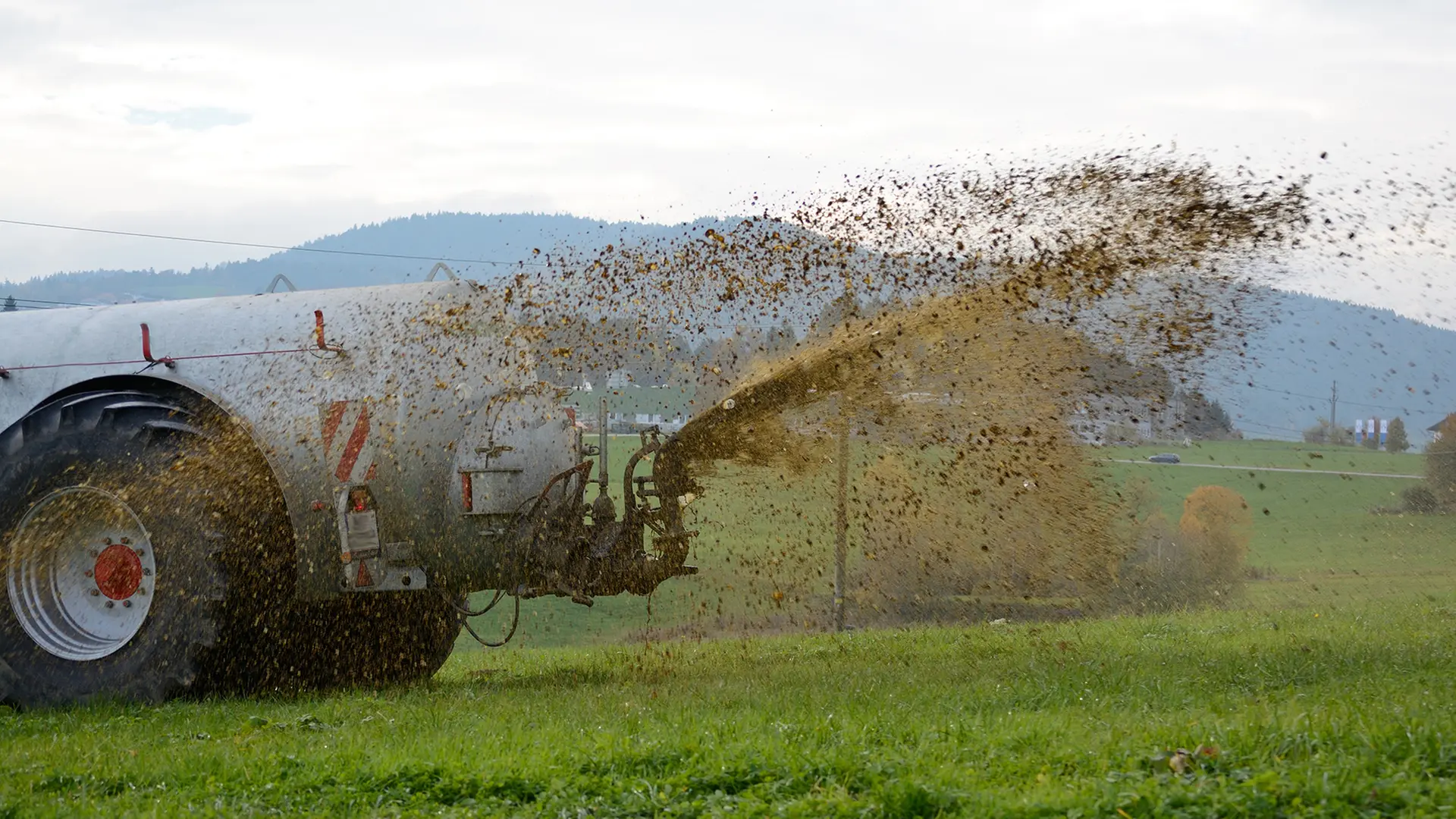
Nitrate levels in groundwater across Lower Saxony remain stubbornly high despite significant reductions in agricultural fertilizer application, according to recent environmental monitoring data. While farmers have decreased their use of nitrogen-based fertilizers in accordance with stricter European Union and national regulations, nitrate concentrations in the region’s aquifers have not shown a corresponding decline, prompting state authorities to convene an expert panel to investigate the lag in ecological recovery.
The persistence of high nitrate levels suggests a complex interplay between past agricultural practices and current hydrological conditions. According to the Lower Saxony State Department for Waterway, Coastal and Nature Conservation (NLWKN), groundwater recharge rates and the slow movement of water through soil layers mean that pollutants applied years or even decades ago may still be migrating toward the water table. This phenomenon, often referred to as a “legacy effect,” complicates efforts to reach the environmental quality standards mandated by the EU Nitrates Directive.
Why Nitrate Levels Persist Despite Reduced Fertilization
The core challenge facing environmental scientists in Northern Germany is the time-delayed response of groundwater systems to surface-level changes. Nitrogen compounds, primarily from synthetic fertilizers and livestock manure, accumulate in the soil profile. Over time, these compounds leach through the unsaturated zone into the groundwater. Because this process can span several years, current nitrate readings in many monitoring wells reflect historical management practices rather than the immediate impact of recent, more restrictive fertilizer ordinances.
Agricultural policy in Germany has shifted significantly since the introduction of the Düngeverordnung (Fertilizer Ordinance), which mandates strict nutrient management plans for farms located in “red areas”—zones identified as having high nitrate pollution. Despite these reductions in nitrogen surplus, the concentration of nitrates in groundwater bodies remains above the 50 mg/l threshold set by the EU in several agricultural hubs, as reported by the German Environment Agency (UBA).
The Role of Livestock Density in Nutrient Cycles
Lower Saxony maintains a high density of livestock, particularly in the poultry and swine sectors, which creates a concentrated stream of organic fertilizer. While the reuse of manure as a nutrient source is a central component of sustainable farming, the sheer volume of nitrogen produced in high-density regions poses a logistical challenge for soil absorption capacity. The state government is currently examining whether the regional distribution of manure remains a primary driver of localized nitrate hotspots, even as total mineral fertilizer use declines.
To address these discrepancies, the Ministry of Agriculture and the Ministry of Environment in Lower Saxony have established an interdisciplinary expert commission. This group is tasked with analyzing hydrological data, soil composition, and farming records to determine why the reduction in nitrogen application has not yet yielded the anticipated improvements in water quality. The commission is expected to provide a comprehensive report on the potential need for further localized measures or adjustments to the current monitoring framework.
What Happens Next for Regional Water Policy
The findings of the expert panel will likely influence future updates to the state’s implementation of the Fertilizer Ordinance. For farmers, this means continued pressure to refine precision farming techniques, such as GPS-controlled spreading and soil-specific nutrient testing, to ensure that nitrogen application matches crop uptake as closely as possible. The goal is to minimize the “nitrogen surplus”—the amount of fertilizer applied that is not absorbed by crops and thus becomes available for leaching into groundwater.

Public health and environmental advocates emphasize that groundwater protection is a long-term endeavor. While immediate results are unlikely given the slow movement of deep groundwater, the ongoing monitoring efforts are essential for ensuring compliance with the European Water Framework Directive. Residents and stakeholders can track updates on water quality reporting and regional policy developments through the official portals of the Lower Saxony Ministry for Environment, Energy and Climate Protection.
The expert panel is expected to present its preliminary analysis in the coming months. As these findings emerge, they will provide a clearer picture of whether the current regulatory path is sufficient to restore groundwater quality or if additional, more aggressive interventions in agricultural management will be required. Readers are encouraged to monitor future state government briefings for updates on this ongoing environmental assessment.
Worth a look