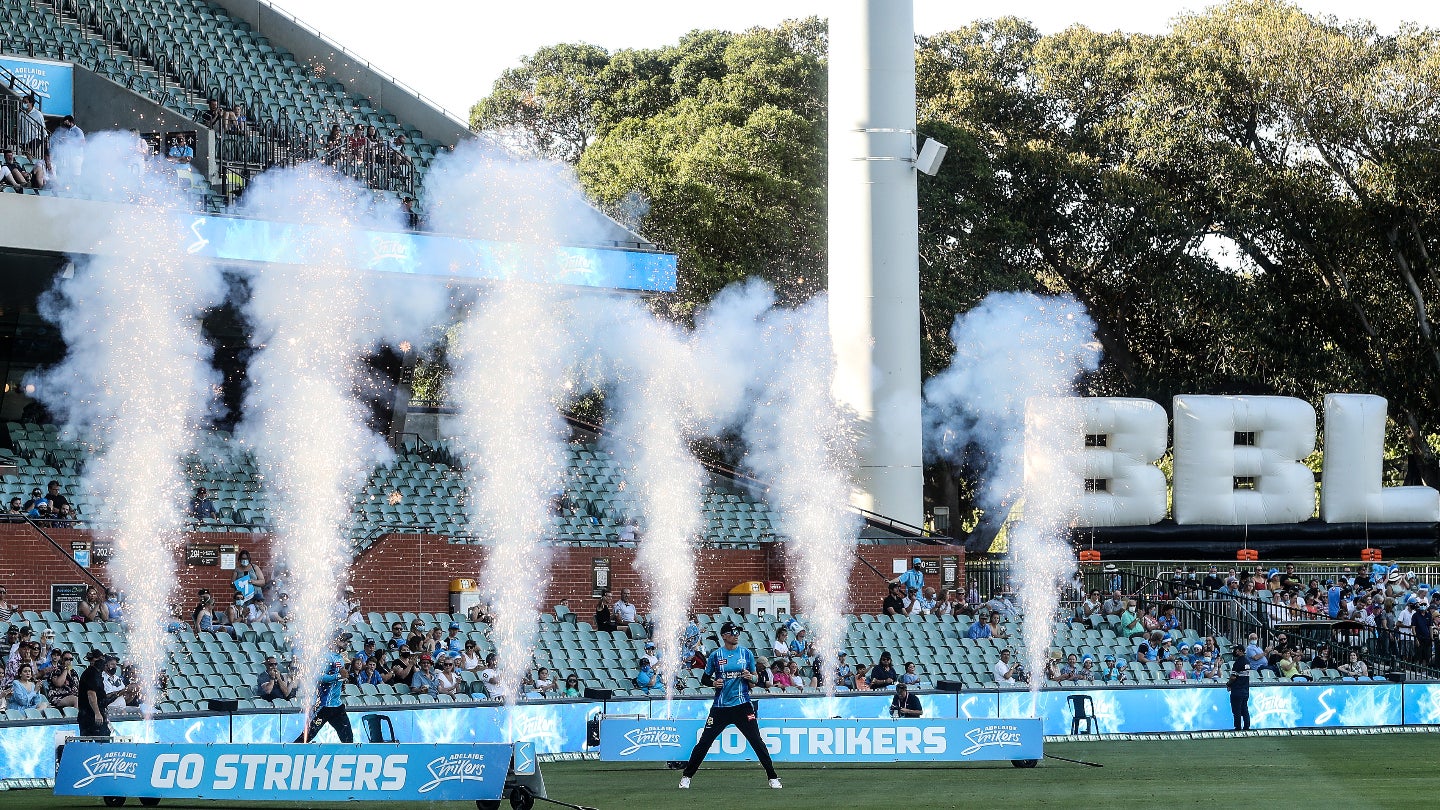
Cricket Australia has secured an in-principle agreement with its six state members on a privatization model for the Big Bash League (BBL), clearing a major hurdle in its push to restructure the league’s ownership and financial model. The deal, announced after months of negotiations, sets the stage for a potential sale of the BBL to private investors, though final approval and operational details remain under discussion. The move comes as Cricket Australia seeks to address long-standing financial pressures while maintaining the league’s commercial appeal.
According to internal sources familiar with the discussions, the agreement covers broad terms for the privatization, including governance structures, revenue-sharing mechanisms, and the role of state cricket associations. However, key details such as the valuation of the BBL, the identity of potential buyers, and the timeline for implementation have not yet been finalized. The six state members—New South Wales, Victoria, Queensland, South Australia, Western Australia, and Tasmania—must now approve the framework before formal negotiations with investors can proceed.
The BBL, Australia’s premier Twenty20 cricket competition, has faced increasing financial scrutiny in recent years, with reports of mounting losses and concerns over sustainability. In 2023, Cricket Australia reported that the BBL operated at a loss of AUD 12.5 million, prompting calls for structural reforms. The privatization plan aims to inject private capital while preserving the league’s grassroots and commercial integrity.
Why It Matters: The BBL’s future has significant implications for Australian cricket, from player development to fan engagement. Unlike traditional state-based competitions, the BBL operates as a centralized entity, and its privatization could set a precedent for other domestic leagues. However, critics warn that private ownership may prioritize profit over community cricket, raising questions about access and affordability for regional teams.
What the Privatization Deal Means for the BBL
The in-principle agreement represents a shift from Cricket Australia’s traditional model, where state associations held direct control over the BBL. Under the proposed privatization, the league’s assets—including broadcasting rights, sponsorship deals, and infrastructure—would be transferred to a private entity, likely a consortium of investors. This structure is similar to models adopted in other sports leagues, such as the NRL’s privatization push.
Key components of the agreement, as outlined by Cricket Australia officials, include:
- Revenue Retention: The BBL would retain a larger share of its commercial revenue, reducing reliance on Cricket Australia subsidies. This could improve financial stability but may also limit central governance.
- State Involvement: State cricket associations would retain some oversight, ensuring regional representation in decision-making. However, their influence could diminish under private ownership.
- Player and Team Structures: The agreement aims to protect the BBL’s player draft system and franchise model, though private owners may seek to renegotiate these terms.
One major uncertainty remains: who will buy the BBL. Potential bidders could include existing cricket stakeholders, such as the Cricket Australia board members, or external investors like media companies or sports conglomerates. The league’s broadcasting rights, valued at over AUD 100 million annually, are likely to be a key driver of interest.
How the Agreement Was Reached: A Timeline of Negotiations
The path to this agreement has been fraught with challenges. Cricket Australia first floated privatization ideas in late 2022, following a review of the BBL’s financial health. However, resistance from state associations—particularly over concerns about losing control—delayed progress. Negotiations intensified in early 2024, with Cricket Australia’s CEO, Nick Hockley, leading discussions to align state interests with the privatization vision.

A breakthrough occurred in May 2024, when Cricket Australia presented a revised framework that addressed state concerns about revenue distribution and governance. The six state members then convened a special meeting to vote on the proposal, with all parties ultimately reaching consensus. While the agreement is not legally binding, it removes the largest obstacle to privatization.
Next Steps: The formal approval process will now begin, with Cricket Australia expected to release a detailed privatization plan by August 2024. This will include:
- A valuation of the BBL’s assets.
- Potential investor shortlists.
- A timeline for the sale, with a target completion date of early 2025.
State associations must also approve the final terms, a process that could take several months. Meanwhile, Cricket Australia has signaled its intent to move swiftly, with Hockley stating in a recent interview that “the BBL’s future cannot wait indefinitely”.
Who Stands to Gain—or Lose—From the Privatization?
The BBL privatization could reshape the Australian cricket landscape, with winners and losers across the ecosystem:
| Stakeholder | Potential Gains | Potential Risks |
|---|---|---|
| Private Investors | Access to a high-growth sports league with global appeal. | Pressure to deliver immediate returns, potentially at the expense of long-term cricket development. |
| State Cricket Associations | Reduced financial burden; potential for increased local investment. | Loss of direct control over league operations and revenue. |
| Players | Higher salaries and better facilities if private owners invest heavily. | Risk of salary caps or cost-cutting measures to improve profitability. |
| Fans and Regional Teams | Potential for expanded fan engagement and better match scheduling. | Higher ticket prices or reduced access to games if profit motives dominate. |
The biggest unknown remains whether privatization will improve the BBL’s financial health without alienating its core supporters. Some industry analysts, such as Dr. James Symonds of the Australian Sports Commission, have cautioned that private ownership could lead to “a race to the bottom” in terms of player wages and community programs if not properly regulated.
What Happens Next? The Road Ahead for the BBL
The next critical phase will begin in August 2024, when Cricket Australia releases its formal privatization plan. Key milestones include:
- Investor Expressions of Interest (EOI): Potential buyers will submit proposals by October 2024, with Cricket Australia expected to shortlist candidates by December.
- Due Diligence and Negotiations: The selected bidders will undergo financial and operational reviews, with final contracts targeted for March 2025.
- Transition Period: The sale is expected to close by June 2025, allowing the new owners to prepare for the 2025-26 BBL season.
Throughout this process, public consultation will play a role, particularly regarding the impact on regional cricket. Cricket Australia has pledged to ensure that any privatization “preserves the spirit of the BBL as a competition for all Australians,” though skeptics remain wary of empty promises.
For fans and stakeholders, the coming months will be critical in determining whether the BBL’s privatization leads to a brighter future—or deeper divisions within Australian cricket.
FAQ: Key Questions About the BBL Privatization
Q: Will ticket prices go up if the BBL is privatized?
A: There is a risk, as private owners may seek to maximize revenue. However, Cricket Australia has indicated that affordability will be a priority in negotiations. Past statements suggest that discounted tickets for regional fans will remain a focus.
Q: Could the BBL be sold to an overseas investor?
A: While not ruled out, Cricket Australia has emphasized that any sale would prioritize Australian-based investors. Foreign ownership could face regulatory hurdles under Australia’s Foreign Investment Review Board (FIRB).
Q: How will player contracts be affected?
A: The BBL’s player draft system is likely to remain intact, but private owners may introduce stricter financial controls. The current collective bargaining agreement expires in 2026, giving new owners leverage to renegotiate terms.
Q: What happens if the privatization fails?
A: Cricket Australia has not outlined a fallback plan, but industry sources suggest that the league could revert to a hybrid model—partially privatized with continued state involvement. However, the financial pressures make this an unlikely outcome.
Final Thoughts: A Turning Point for Australian Cricket
The BBL privatization deal is more than a business transaction—it’s a test of whether Australian cricket can adapt to a changing commercial landscape while staying true to its grassroots origins. With the in-principle agreement now secured, the focus shifts to whether Cricket Australia can deliver on its promises of transparency, fairness, and fan engagement.
As the process unfolds, one thing is clear: the BBL’s future will be shaped not just by boardroom decisions, but by the voices of players, fans, and communities who have made the league a cultural phenomenon. The next chapter begins now.
What do you think about the BBL privatization? Share your views in the comments below, and follow World Today Journal for updates on this developing story.
Related reading