
Lindt Raises Chocolate Prices After Weak Easter Sales: What Retailers and Consumers Should Know
Swiss chocolatier Lindt & Sprüngli has tightened pricing in European supermarkets following a slump in Easter sales, according to multiple retail sources and industry reports. The move comes as major retailers like Edeka delay holiday orders while competitors such as Coop and Migros have already secured discounted Lindt products. Here’s what the price adjustments mean for retailers and consumers—and how the company’s strategy could reshape the holiday season.
Lindt’s decision to adjust prices—reportedly raising them in some supermarket chains while offering discounts to others—highlights the delicate balance confectionery brands face between maintaining premium positioning and responding to economic pressures. With inflation still affecting discretionary spending in Europe, the company’s pricing strategy could set a precedent for how luxury food brands navigate consumer demand in 2024.
The developments follow a mixed first quarter for Lindt, where Easter sales in key markets underperformed expectations. While the company has not publicly confirmed the exact extent of price changes, industry insiders and retailer statements suggest a tiered approach: higher prices in traditional supermarket channels to offset weaker volume, paired with selective discounts to maintain relationships with major wholesale partners.
Why Lindt’s Price Adjustments Matter for Retailers and Shoppers
Lindt’s pricing shift reflects broader industry trends where premium brands are testing elasticity in a post-pandemic economy. Here’s what the changes signal:
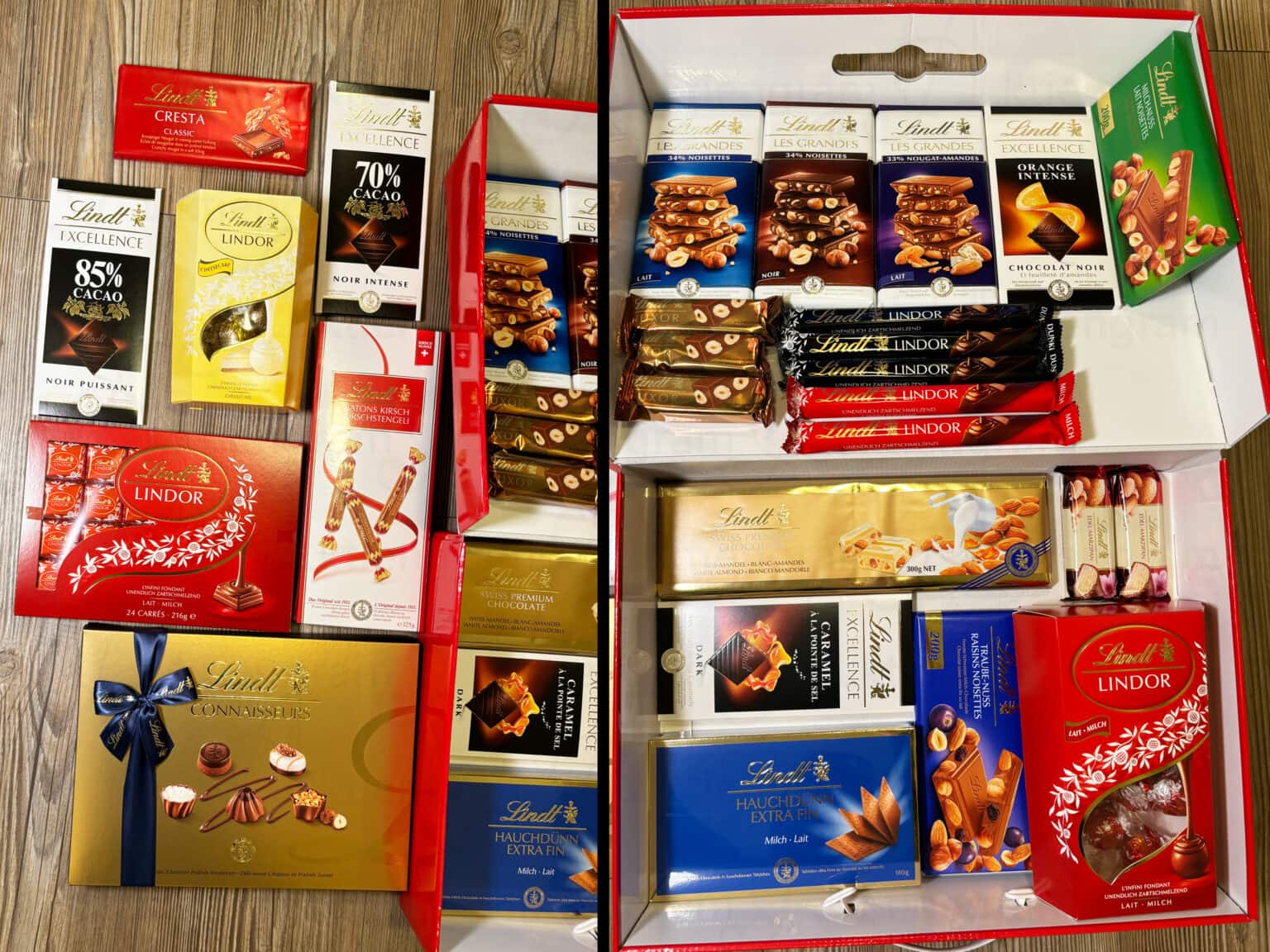
- Retailer pushback: Edeka, Germany’s largest grocery chain, has reportedly delayed placing holiday orders with Lindt, citing concerns over margin pressures. According to Lebensmittel Zeitung, the retailer is evaluating alternative suppliers for its seasonal chocolate assortment, a move that could accelerate if Lindt maintains higher prices.
- Discounted partnerships: Meanwhile, Swiss retailers Coop and Migros have secured volume discounts from Lindt, reducing prices on select products by up to 15% for the holiday season. A Migros spokesperson confirmed to Watson that the discounts apply to Lindt’s “Gold Bunny” and “Excelsior” lines, though the company declined to specify whether this reflects a broader pricing strategy or a one-time promotion.
- Consumer impact: Shoppers in Germany may see Lindt’s signature products—such as the Gold Bunny or Lindor truffles—priced 5–10% higher in traditional supermarkets like Rewe or Edeka, according to preliminary reports from T-Online. However, discounts at Coop and Migros could offset some of the increases for consumers in Switzerland.
- Holiday season implications: With Christmas accounting for nearly 30% of Lindt’s annual revenue in Europe, the company’s pricing strategy could influence gift-buying behavior. Industry analysts suggest that Lindt’s move may prompt competitors like Ferrero or Mon Chéri to adjust their own pricing, potentially sparking a broader round of chocolate price hikes ahead of the holidays.
How Lindt’s Pricing Strategy Compares to Competitors
Lindt’s approach contrasts with how other luxury confectionery brands are handling economic pressures. While Lindt appears to be segmenting its pricing—raising costs in mass-market channels while offering discounts to wholesale partners—competitors are taking different tacks:
| Brand | Pricing Strategy | Key Market Response | Source |
|---|---|---|---|
| Lindt & Sprüngli | Tiered pricing: higher supermarket prices, selective discounts for retailers | Edeka delays holiday orders; Coop/Migros secure volume discounts | CHIP, Watson |
| Ferrero | Maintained premium pricing with promotional bundling (e.g., Kinder Surprise gift sets) | Stable sales in Germany; focus on gifting segments | Reuters (2023 Q3) |
| Mon Chéri | Discounted private-label versions in supermarkets; premium pricing in duty-free | Growth in discount channels; stable luxury sales | Statista |
| Hershey’s (Europe) | Aggressive price cuts in mass-market segments; premium lines unchanged | Volume gains in discount supermarkets; market share growth | Marketing Week |
Lindt’s strategy appears more cautious than Ferrero’s, which has avoided deep discounts despite economic headwinds. Meanwhile, Hershey’s—now a major player in Europe through acquisitions—has taken a more aggressive approach by slashing prices in budget segments while protecting its premium lines. Analysts suggest Lindt’s tiered model may be an attempt to avoid alienating either retailers or its core consumer base.
What Happens Next: Retailer Negotiations and Holiday Preparations
With Edeka’s holiday orders reportedly on hold, the next critical phase will be negotiations between Lindt and major European retailers in the coming weeks. Industry sources suggest three potential outcomes:
- Price concessions: If Edeka and other large chains maintain their stance, Lindt may need to offer deeper discounts or extend payment terms to secure orders. A source close to the negotiations told Lebensmittel Zeitung that Lindt is “open to discussing alternative terms” but has not yet signaled a full retreat from its pricing adjustments.
- Supplier diversification: Retailers like Edeka may accelerate orders from alternative suppliers, such as German brands like Rausch or smaller Swiss artisans. This could reduce Lindt’s market share in the critical holiday period, particularly in Germany where the brand holds a dominant position.
- Promotional push: Lindt may launch aggressive in-store promotions or bundling strategies—similar to Ferrero’s Kinder Surprise campaigns—to drive volume despite higher list prices. The company has not confirmed this approach, but industry observers note that such tactics have been effective for competitors in recent years.
For consumers, the immediate impact will depend on where they shop. Those in Switzerland can expect to see discounted Lindt products at Coop and Migros, while German shoppers may face higher prices in traditional supermarkets. However, if Lindt’s pricing strategy leads to wider retailer pushback, additional discounts—or even product shortages—could emerge as the holiday season approaches.
Why This Matters: The Broader Implications for the Chocolate Industry
Lindt’s pricing adjustments come at a pivotal moment for the global chocolate industry, where economic uncertainty and shifting consumer habits are reshaping supply chains. Three key factors make this development significant:
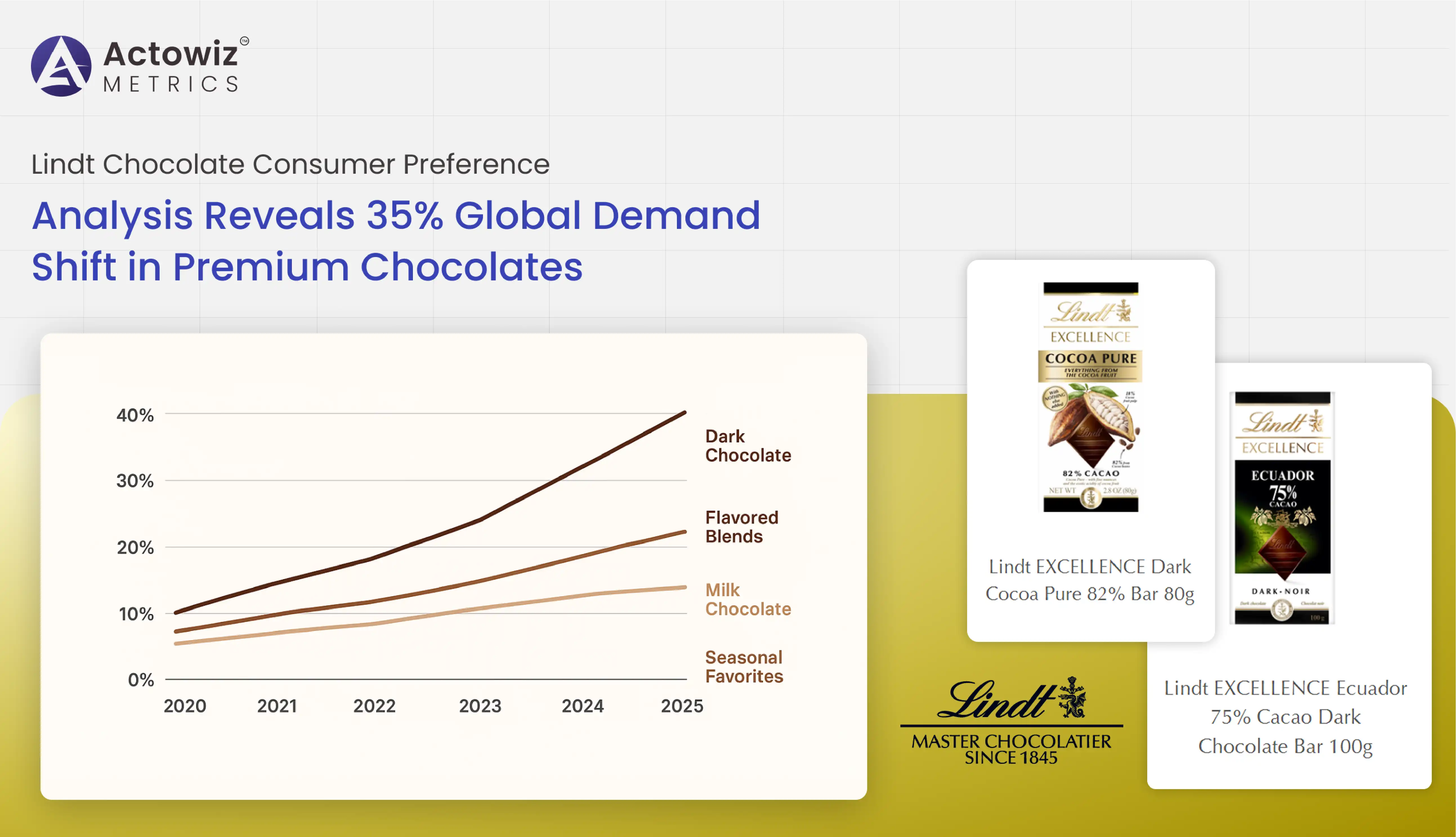
- Inflation’s lingering effects: While headline inflation has eased in Europe, core prices—including food staples—remain elevated. Lindt’s move reflects how brands are recalibrating for a “new normal” where consumers are more price-sensitive but still willing to pay for perceived quality. Data from Eurostat shows that chocolate prices in Germany rose by 6.2% year-over-year in the first half of 2024, outpacing broader food inflation.
- Retailer consolidation: The power dynamics between brands and retailers are shifting as grocery chains like Edeka and Aldi expand their private-label offerings. Lindt’s pricing strategy may accelerate this trend, pushing more consumers toward store-brand alternatives. A McKinsey report from 2023 projected that private-label chocolate sales in Europe could grow by 12% annually through 2025, at the expense of premium brands.
- Supply chain resilience: The COVID-19 era highlighted vulnerabilities in chocolate supply chains, from cocoa shortages to labor disruptions. Lindt’s pricing adjustments may also signal efforts to stabilize margins amid ongoing supply chain challenges. The company has previously cited International Cocoa Organization data indicating that cocoa prices remain volatile, with no immediate relief in sight for producers.
Where to Find Official Updates and Next Steps
For the latest developments, consumers and retailers can monitor the following official channels:
-
Lindt & Sprüngli:
- Corporate updates: Lindt Global Website
- Investor relations: Lindt Investor Center
-
Retailer statements:
- Edeka: Press Releases
- Coop Switzerland: News Section
- Migros: Media Center
- Industry analysis:
Lindt’s pricing adjustments will likely unfold over the next 6–8 weeks, with key decisions expected by late September as retailers finalize holiday orders. The company’s next quarterly earnings report—scheduled for November 15, 2024—will provide clarity on the financial impact of these changes.
Have you noticed price changes at your local supermarket? Share your experiences in the comments below—or let us know if you’re expecting discounts on Lindt products this holiday season.
Like this analysis? Share it with colleagues or save it for later:
🖨️ Print
📧 Email
🔗 Link
Keep reading