
The recent international football encounter between Iran and New Zealand delivered a competitive performance, ending in a hard-fought draw that highlighted the tactical evolution of both national programs. Following a series of diplomatic developments involving the Iranian squad’s travel to the United States, the match served as a significant test for both teams on the pitch, characterized by rapid transitions and high-intensity play from the opening whistle.
According to match reports from the fixture, the game was defined by a back-and-forth rhythm that saw New Zealand strike early, testing the Iranian defense and forcing a tactical adjustment from the bench. Iran’s subsequent response and the overall parity of the contest reflected the current competitive landscape in international friendlies, where defensive organization often dictates the outcome against aggressive counter-attacking styles.
Tactical Breakdown of the Iran-New Zealand Encounter
The match began with an unexpected offensive surge from the New Zealand side, which caught the Iranian defensive line off guard in the opening minutes. This early goal forced Iran to shift its formation, moving away from a conservative setup to prioritize possession and progression through the midfield. As noted in sports analysis of the encounter, the “All Whites” maintained a high pressing line, which effectively disrupted Iran’s ability to build play from the back.
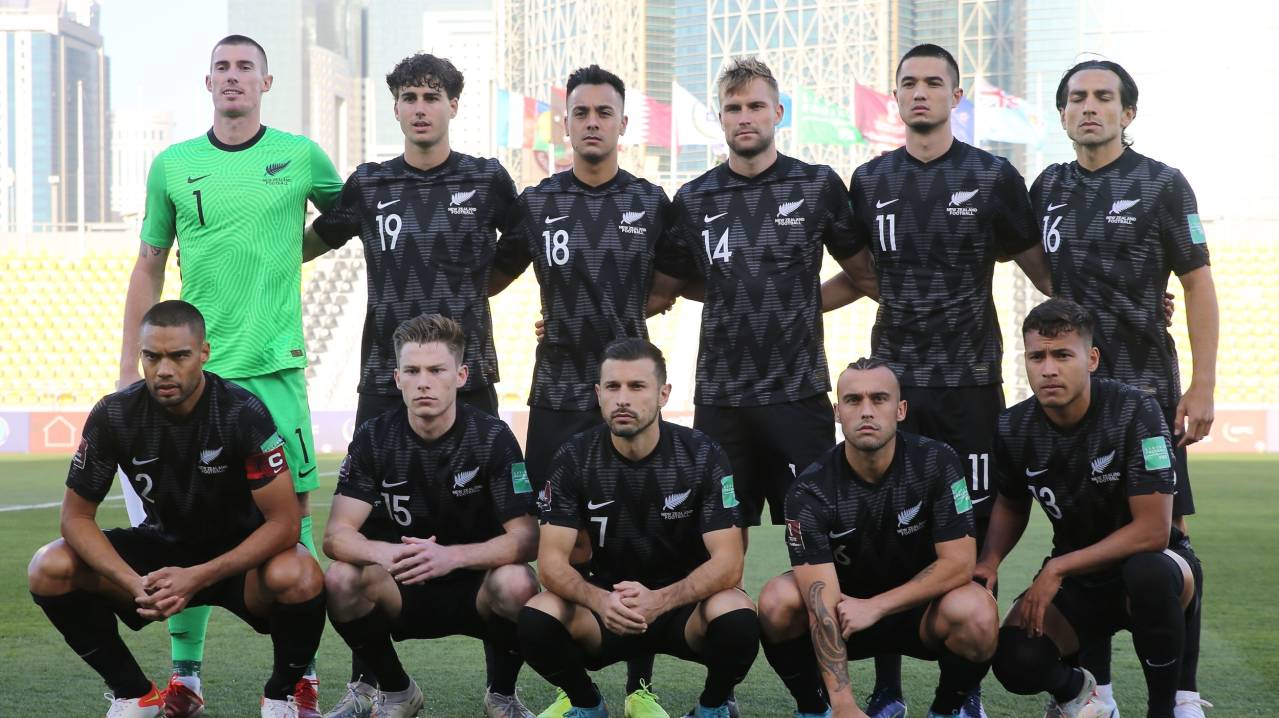
Iran’s equalizer arrived as a result of sustained pressure in the final third, capitalizing on a momentary lapse in the New Zealand defensive structure. The game subsequently settled into a pattern of “tit-for-tat” exchanges, with both sides utilizing long balls to bypass midfield congestion. Statistically, the possession share remained closely contested throughout the first half, a testament to the tactical discipline implemented by both coaching staffs to negate the opponent’s individual strengths.
The Diplomatic Context and Team Preparation
This match took place against a backdrop of complex international logistics. The Iranian team’s arrival in the United States for this series of fixtures followed the conclusion of recent diplomatic discussions, which had previously created uncertainty regarding the team’s ability to fulfill the scheduled international calendar. The Islamic Republic of Iran Football Federation confirmed the travel arrangements ahead of the match, emphasizing the importance of maintaining competitive rhythm despite external geopolitical variables.
For New Zealand, the match provided a critical opportunity to test their squad against a team known for physical robustness and technical proficiency. The New Zealand Football (NZF) administration has prioritized such high-profile friendlies to prepare their roster for upcoming regional qualifiers. The atmosphere at the stadium, described by observers as highly charged, reflected the significance of the fixture for both sets of supporters, who turned out in notable numbers to witness the competitive display.
What the Result Means for Future Fixtures
The draw serves as a neutral baseline for both teams as they look toward future international tournaments. For Iran, the ability to recover from an early deficit demonstrates a level of mental fortitude that will be essential in upcoming competitive cycles. Conversely, New Zealand’s performance suggests that their tactical transition toward a more aggressive, front-foot approach is yielding results against established international opponents.
As both federations look to finalize their schedules for the remainder of the year, the focus will shift toward squad depth and addressing the defensive vulnerabilities exposed during this match. The next official updates regarding team rosters and future friendly schedules are expected to be released via the respective national football association portals in the coming weeks. Fans are encouraged to monitor official announcements for ticketing information and broadcast schedules for the next series of matches.
As Editor of the Sports section at World Today Journal, I continue to monitor these developments. We invite readers to share their analysis of the match tactics in the comments section below.
Keep reading