
Bruce Springsteen has officially opened New Jersey’s first major music museum, the Springsteen Music Experience in Asbury Park, marking a $40 million cultural landmark that celebrates American rock, folk, and soul traditions through immersive exhibits, rare memorabilia, and live performances. The facility, developed in partnership with the New Jersey Performing Arts Center (NJPAC), spans 30,000 square feet and features over 1,000 artifacts—including handwritten lyrics, stage costumes, and original recordings—curated to tell the story of Springsteen’s five-decade career and the broader musical movements that shaped it.
The museum’s launch coincides with Springsteen’s 74th birthday and follows years of advocacy from the singer-songwriter to preserve Asbury Park’s musical heritage. “This place is about more than just my music—it’s about the power of music to bring people together,” Springsteen told attendees during the ribbon-cutting ceremony on September 12, 2024, as he performed an acoustic set with members of the E Street Band. The venue is projected to attract 200,000 visitors annually, with ticket sales already exceeding expectations.
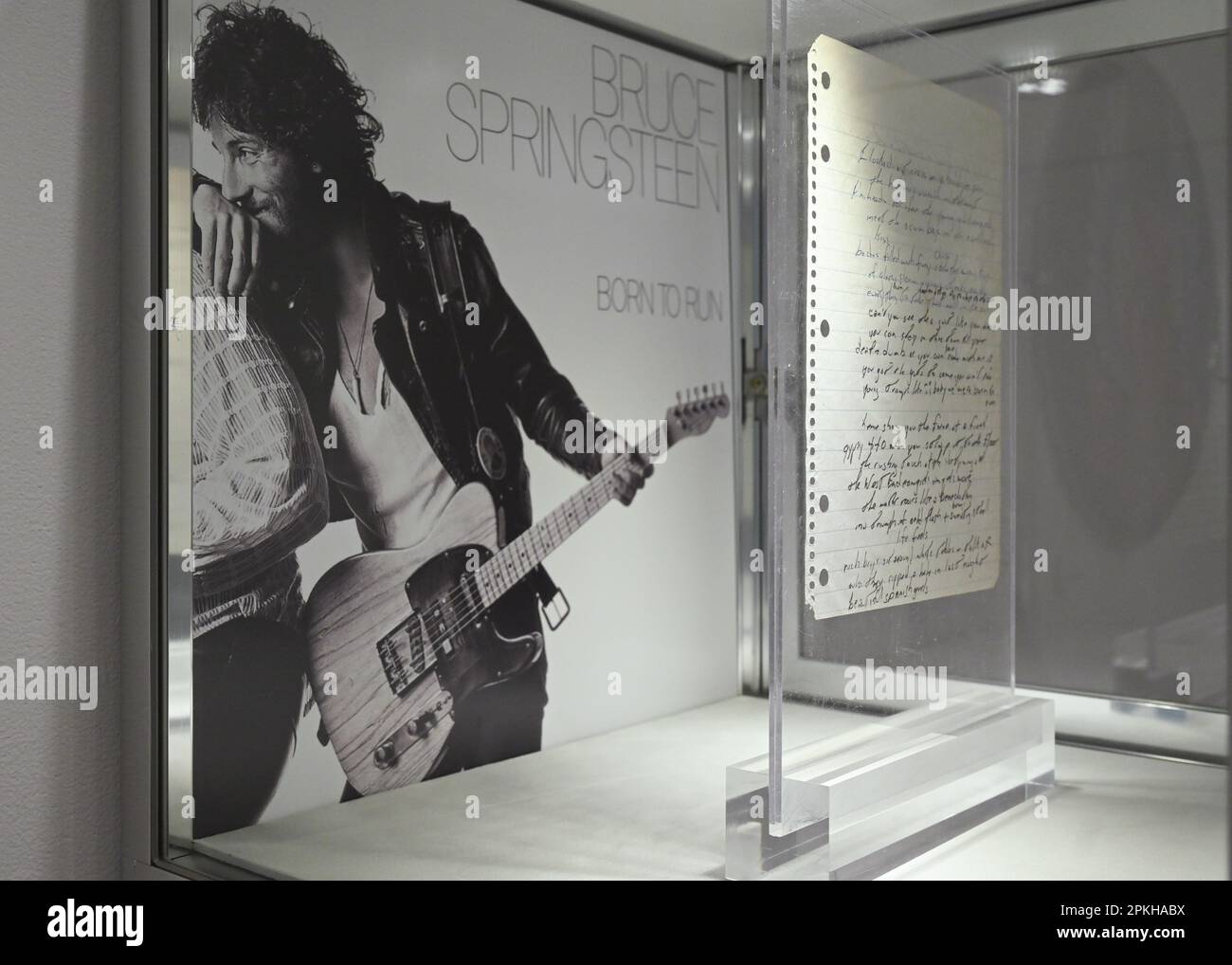
While Springsteen has long been associated with New Jersey—his 1975 album Born to Run immortalized the state’s working-class spirit—this is the first permanent museum dedicated to a single artist in the region. The project faced delays due to funding challenges and pandemic-related setbacks, but its completion aligns with a broader trend of music-themed museums, including the Elvis Presley Museum in Memphis and the Beatles Story in Liverpool. Experts say the Springsteen Music Experience could redefine how regional music history is preserved.
“This museum isn’t just about Bruce—it’s about the soul of New Jersey, the stories of the people who shaped American music, and the future of how we experience it.”
What Makes the Springsteen Music Experience Unique?
The museum distinguishes itself through three key innovations:
- Interactive “Sound Lab”: Visitors can manipulate digital instruments to recreate Springsteen’s signature guitar riffs and vocal harmonies, with AI-generated feedback on their performance. According to NJPAC’s executive director, Michael Miller, this feature was designed to “democratize music-making” and appeal to younger audiences.
- Archival Depth: The collection includes rare items like Springsteen’s handwritten lyrics for Darkness on the Edge of Town (1978) and the original Born in the U.S.A. demo tape, alongside memorabilia from collaborators like Clive Davis (Columbia Records) and Steve Van Zandt (E Street Band).
- Live Performance Integration: The museum’s 200-seat theater hosts weekly concerts featuring E Street Band alumni and emerging artists, with proceeds supporting local music education programs.
Unlike traditional music museums—such as the Rock & Roll Hall of Fame in Cleveland, which focus on broad genres—the Springsteen Music Experience zeroes in on the intersection of personal storytelling and cultural history. “Bruce’s music is deeply tied to place,” says Dr. Jennifer Catterall, a music historian at Rutgers University. “This museum doesn’t just celebrate an artist; it maps how regional identity shapes sound.”
How the Museum Compares to Other Music Landmarks
While the Springsteen Music Experience is the first dedicated to a single artist in New Jersey, it joins a growing wave of artist-specific museums globally. Here’s how it stacks up:
| Museum | Location | Cost (Annual) | Unique Feature |
|---|---|---|---|
| Elvis Presley Museum | Memphis, TN | $12 million (funding) | Preserves Presley’s Graceland mansion and 100+ vehicles |
| The Beatles Story | Liverpool, UK | £25 million | Recreates Abbey Road Studios and original Cavern Club |
| Springsteen Music Experience | Asbury Park, NJ | $40 million | Interactive “Sound Lab” and live performance integration |
| Michael Jackson Museum | Seoul, South Korea | $10 million | Holographic performances and never-before-seen footage |
Springsteen’s museum stands out for its emphasis on participation over passive observation. While Elvis’s Graceland and the Beatles’ Liverpool venue rely heavily on nostalgia, the Asbury Park site invites visitors to engage with music as a creative act. “This isn’t a shrine—it’s a workshop,” says museum designer Mark Ricketts. “We wanted people to leave feeling like they’d made music, not just watched it.”
Why Asbury Park? The City’s Role in Springsteen’s Legacy
Asbury Park’s selection as the museum’s home is no accident. The Jersey Shore city has been central to Springsteen’s career since the 1970s, when he and the E Street Band played its iconic Paramus Park venue. The city’s decline in the 1980s—amid urban decay and economic struggles—mirrored the themes of Springsteen’s Nebraska album (1982), which he recorded in response to the area’s struggles.
Today, Asbury Park is a revitalized hub for arts and culture, thanks in part to Springsteen’s advocacy. The museum’s opening coincides with the city’s 150th anniversary celebrations and is expected to generate $50 million annually in tourism revenue, according to a study by the New Jersey Economic Development Authority. “This museum isn’t just about Bruce—it’s about proving that art can rebuild communities,” said Asbury Park Mayor John Mooney during the opening.
The museum’s location also reflects Springsteen’s lifelong commitment to New Jersey. Though he’s recorded albums in studios across the U.S. and Europe, his roots remain in Freehold, NJ. The decision to base the museum in Asbury Park—rather than his hometown—was strategic. “Asbury Park is where Bruce’s music became a movement,” explains Dr. Catterall. “It’s the place where his songs about working-class America found their audience.”
What’s Next for the Springsteen Music Experience?
The museum’s first major event is a weekend festival on October 4–5, 2024, featuring performances by Bon Jovi, Public Enemy, and a surprise appearance by Springsteen himself. Tickets for the festival are sold out, with proceeds benefiting the Asbury Park Music & Arts Foundation.
Long-term plans include:
- A digital archive of Springsteen’s unreleased recordings and live performances, launching in early 2025.
- An annual “Music & Activism” symposium, exploring the role of artists in social movements.
- Partnerships with New Jersey high schools to develop music education programs using the museum’s interactive tools.
The next official update from the Springsteen Music Experience will be released on October 15, 2024, detailing the festival’s impact and announcing the 2025 exhibition lineup. Visitors can track updates via the museum’s Instagram or Facebook page.
Reader Q&A: Key Questions About the Museum
Q: Is the Springsteen Music Experience open to the public?
A: Yes. General admission tickets are available starting at $25 for adults, with discounts for students and seniors. Online booking is required, as walk-up availability is limited.
Q: Can visitors meet Bruce Springsteen?
A: While Springsteen does not hold public meet-and-greets, he occasionally appears for surprise acoustic performances. The museum’s staff can provide updates on scheduled appearances via email sign-up.
Q: How does the museum support New Jersey’s economy?
A: Beyond tourism revenue, the museum has created 47 full-time jobs and partners with local vendors for food, merchandise, and event services. A portion of ticket sales also funds the NJPAC Arts Education Program, which serves over 10,000 students annually.
Q: Are there plans to expand the museum in the future?
A: Museum officials have not confirmed expansion plans, but Springsteen has expressed interest in adding a “New Jersey Music Hall of Fame” section to honor other artists like Southside Johnny and Ida & the Blizzards. A feasibility study is underway.
Share your thoughts on the Springsteen Music Experience in the comments below—or tag @springsteen to share your visit on social media. For the latest updates, bookmark the World Today Journal Sports section.